
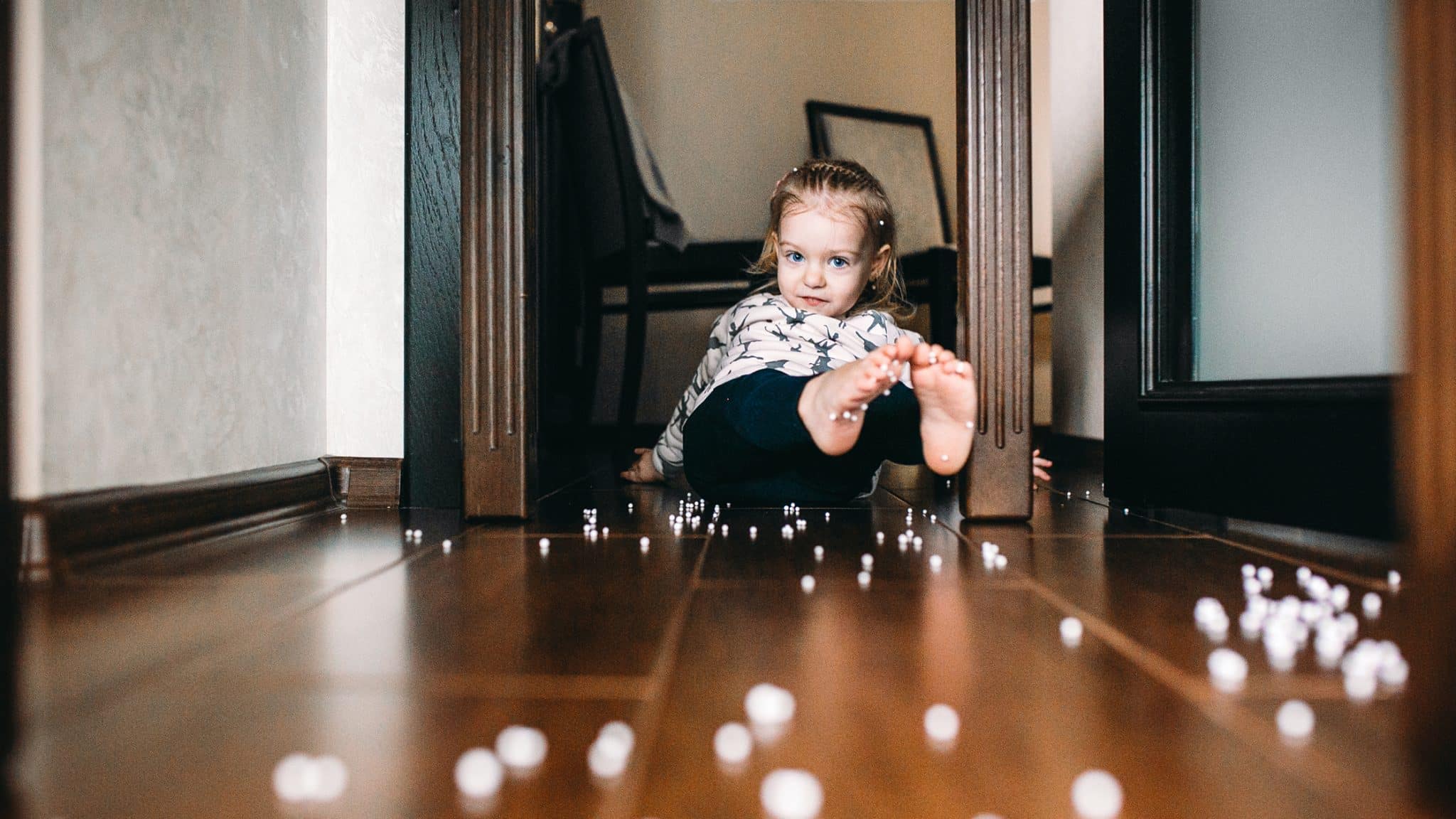
Home should be the safest place for children — but it’s also where most accidents happen. From slippery bathrooms to curious hands reaching kitchen counters, everyday spaces can pose hidden risks. The good news? Most home injuries are preventable with a few simple precautions and consistent habits.
At KidsHeart Medical Center, our pediatric injury prevention and first aid counseling team helps parents across Dubai, Abu Dhabi, and Al Ain make their homes safer — so children can explore, learn, and play freely without fear.
Why Home Safety Matters
According to the Dubai Health Authority (DHA), nearly half of childhood injuries in the UAE occur at home. The most common causes include falls, burns, choking, and poisoning — many of which happen in a split second.
As pediatricians often remind parents, young children are naturally curious. They explore through touch, taste, and movement — and they don’t yet understand danger. That’s why creating a child-safe home environment is one of the most powerful forms of protection.
Childproofing Essentials by Room
Small safety adjustments make a big difference. Here’s how to childproof the most accident-prone areas of your home:
The Kitchen
The kitchen is full of hot surfaces and sharp objects — fascinating to little ones.
- Keep hot pots, pans, and kettles away from edges.
- Use stove guards and turn pan handles inward.
- Store knives, scissors, and small appliances out of reach.
- Keep cleaning products and dishwashing tablets in locked cabinets.
- Never leave children unattended when cooking — even for a moment.
Our treatment for common childhood illnesses team often treats minor burns that could have been prevented with simple kitchen layout adjustments.
The Bathroom
Slippery floors and water make the bathroom a high-risk zone.
- Use non-slip mats inside and outside the tub.
- Set water heaters to below 49°C to prevent scalding.
- Keep shampoos, razors, and cleaning liquids locked away.
- Never leave a baby or toddler unattended in the bath — even for seconds.
A child can drown in as little as five centimeters of water, making supervision essential.
The Living Room and Play Area
Falls and furniture accidents are common in active toddlers.
- Secure TVs and heavy furniture to the wall.
- Cover sharp corners on tables.
- Use safety gates for stairs and balcony doors.
- Keep small objects, coins, and batteries out of reach — they pose choking hazards.
- Ensure play areas are clutter-free and well-lit.
The Bedroom
Bedrooms may seem safe, but risks can still hide there.
- Avoid placing cribs near windows or cords.
- Use cordless blinds to prevent strangulation risks.
- Keep toys age-appropriate — small detachable parts can be dangerous.
- Check that bed rails and bunk beds meet safety standards.
Electrical and Fire Safety
Modern UAE homes are filled with electronics and appliances. Simple precautions help prevent shocks or fires:
- Cover unused electrical outlets with safety plugs.
- Avoid overloading extension cords.
- Keep cords out of reach and away from water.
- Install smoke alarms and test them regularly.
- Store matches, candles, and lighters safely.
Families living in high-rise apartments should also have a clear fire escape plan and know building emergency exits.
Preventing Falls and Injuries
In the UAE, where many families live in multi-story villas or apartments with balconies, falls are among the leading causes of home injuries.
- Install sturdy balcony railings and locks.
- Keep furniture away from balcony edges.
- Always supervise children near stairs and windows.
- Use window guards or stops to prevent accidental openings.
Even short falls can lead to significant injuries — prevention is always better than treatment.
First Aid Readiness
Despite precautions, minor accidents still happen — and knowing basic first aid makes all the difference. Keep a well-stocked first aid kit in an accessible but childproof spot. Include:
- Adhesive bandages and gauze
- Antiseptic cream
- Thermometer
- Burn gel
- Tweezers and scissors
- Fever medication (age-appropriate)
- Emergency contact numbers
Our fever and infection management team encourages all parents and caregivers to take a certified first aid course — it’s one of the most valuable skills a parent can have.
Did You Know?
The UAE Ministry of Health and Prevention (MOHAP) reports that 70% of household injuries in children under five are preventable with basic safety measures. The most effective steps are supervision, safe storage, and consistent routines — yet many families overlook them due to busy lifestyles. A few minutes of prevention can save a lifetime of worry.
Safe Homes, Happy Families
Creating a safe home doesn’t mean limiting exploration — it means giving children the freedom to play, learn, and grow with confidence. Small, consistent habits and regular safety checks can turn every corner of your home into a secure, child-friendly space.
At KidsHeart Medical Center, our Western-trained pediatricians in Dubai, Abu Dhabi, and Al Ain provide expert guidance on injury prevention, first aid, and home safety education. To learn more about childproofing and accident prevention, you can easily book an appointment with our pediatric specialists at KidsHeart Medical Center.