
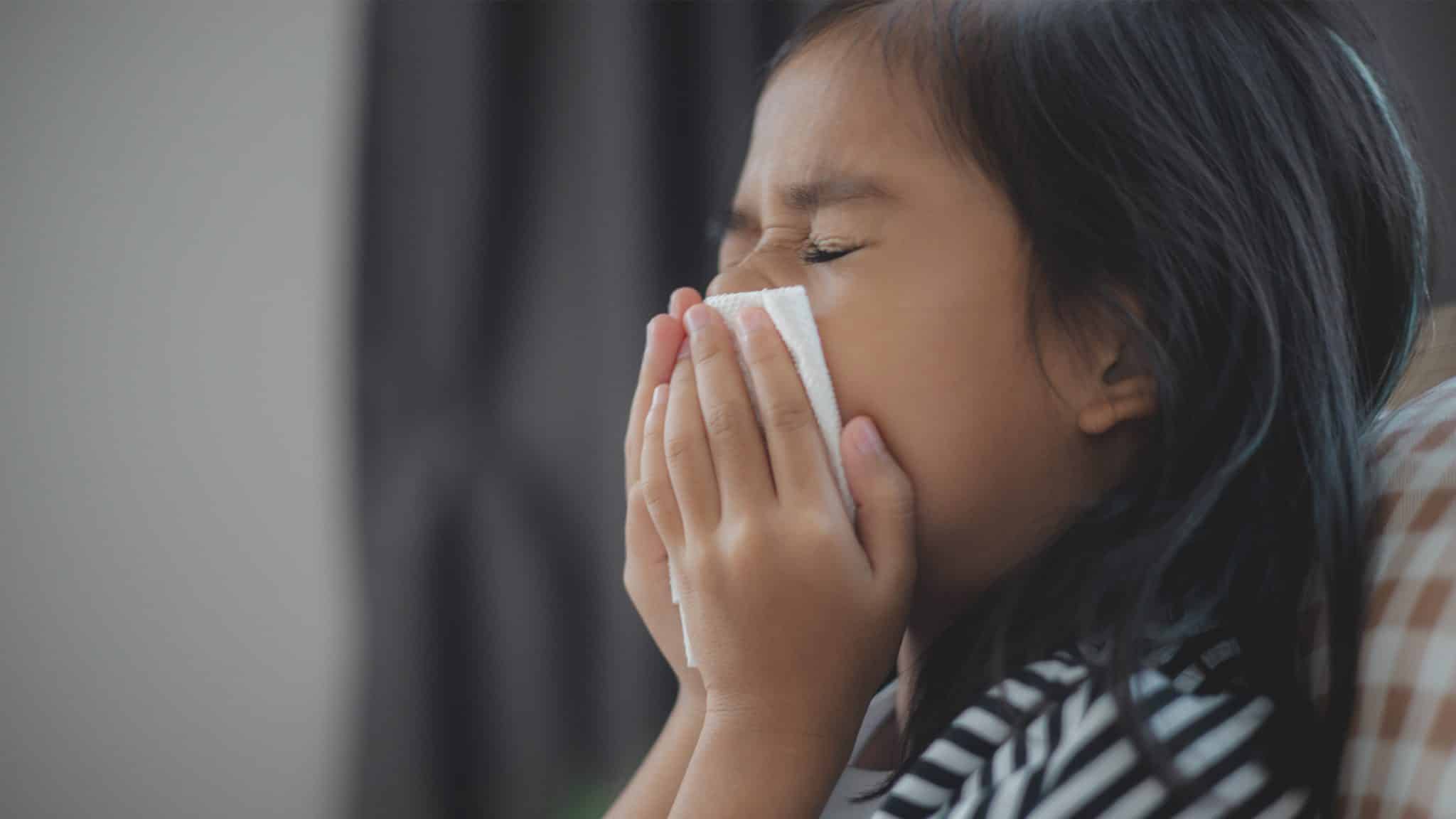
If your child often sneezes, coughs, or develops unexplained rashes, allergies may be the reason — and in the UAE’s unique environment, they’re more common than many parents realize. From sandstorms to food sensitivities, allergy triggers can hide in everyday life, making them easy to overlook.
At KidsHeart Medical Center, our pediatric asthma and allergy management specialists help families in Dubai, Abu Dhabi, and Al Ain identify the true causes of allergies and create practical, personalized care plans that let children breathe easier, play freely, and live without constant discomfort.
Understanding Childhood Allergies
An allergy happens when the immune system overreacts to something harmless — like dust, pollen, or certain foods — as if it were a threat. This reaction triggers symptoms such as sneezing, itching, rashes, or breathing problems.
In children, allergies can affect different parts of the body, leading to:
- Respiratory symptoms: Coughing, wheezing, runny nose, or nasal congestion
- Skin reactions: Eczema, hives, or redness
- Digestive issues: Vomiting, cramps, or diarrhea after eating certain foods
- Eye irritation: Red, itchy, or watery eyes
Because symptoms can overlap with colds or infections, allergies often go undetected or misdiagnosed for months.
The Most Common Allergy Triggers in the UAE
The UAE’s desert climate, dusty winds, and year-round air conditioning create a perfect mix of potential irritants. Common triggers include:
- Dust and Dust Mites
These microscopic creatures thrive in bedding, carpets, and upholstery. Frequent vacuuming, washing linens in hot water, and using dust-proof covers can help minimize exposure. - Pollen
Though not as widespread as in colder climates, flowering plants and imported trees can still cause seasonal allergies during spring and autumn. - Sandstorms and Air Pollution
Fine dust particles can irritate the airways, especially in children with asthma or allergic rhinitis. Using air purifiers and keeping windows closed during sandstorms can make a big difference. - Food Allergies
Common culprits include milk, eggs, nuts, wheat, soy, and seafood. Food allergies often appear in infancy and can range from mild rashes to severe reactions like swelling or breathing difficulty. - Pet Dander
Proteins found in animal saliva and skin flakes can trigger respiratory symptoms in sensitive children. - Mold and Humidity
Mold grows in damp areas like bathrooms or kitchens, especially during humid months. Dehumidifiers and regular cleaning help prevent growth.
Signs That Allergies May Be Affecting Your Child
Parents often assume their child “just catches colds easily,” when the real cause is allergy-related. Here are signs to look for:
- Symptoms appear at the same time every year or in specific environments.
- Your child frequently rubs their nose or eyes.
- Nighttime coughing or nasal congestion affects sleep.
- Rashes appear after certain meals, fabrics, or soaps.
- Over-the-counter cold remedies don’t seem to help.
Our treatment for common childhood illnesses team works with parents to distinguish between recurrent colds and allergies through careful history, examination, and sometimes simple allergy testing.
The UAE Allergy Picture: What Studies Show
Childhood allergies are rising worldwide, and the UAE is no exception. According to the Dubai Health Authority (DHA), nearly one in five school-aged children experiences allergy-related symptoms — most commonly allergic rhinitis, eczema, or asthma. The region’s dust exposure, indoor cooling systems, and imported foods have all contributed to this increase.
Research from local pediatric clinics also shows that dust mites and dairy are among the top triggers in Emirati and expatriate children. With proper management and education, most cases can be controlled effectively, allowing children to lead active, healthy lives.
How Pediatricians Diagnose Allergies
Allergy diagnosis starts with careful observation and testing. At KidsHeart, evaluations may include:
- A detailed medical and environmental history
- Physical examination of skin, nose, and chest
- Skin prick or blood tests to identify specific allergens
- Food elimination and challenge tests, when necessary
Once the trigger is identified, your pediatrician will guide you on avoidance strategies and, if needed, prescribe safe medications like antihistamines, nasal sprays, or asthma inhalers.
Everyday Tips to Manage Allergies at Home
Managing allergies often means creating a cleaner, gentler home environment. Here are practical steps families can take:
- Keep windows closed during dusty days and use air purifiers.
- Vacuum carpets and sofas weekly with HEPA filters.
- Wash bedding in hot water and sun-dry when possible.
- Encourage daily showers after outdoor play.
- Avoid smoking near children — even outdoors.
- For food allergies, read ingredient labels carefully and inform schools or caregivers.
Regular growth and development monitoring ensures that allergy-related dietary restrictions don’t impact your child’s nutrition or growth.
When Allergies Affect Daily Life
If your child’s allergies lead to frequent school absences, poor sleep, or constant fatigue, it’s time to seek professional help. Uncontrolled allergies can impact learning, focus, and emotional wellbeing — but with the right management plan, these effects can be reversed quickly.
At KidsHeart, our Western-trained pediatricians collaborate with parents to build long-term control plans tailored to each child’s age, triggers, and environment.
Breathing Easier, Living Freely
Allergies don’t have to hold your child back. With the right diagnosis, daily care, and preventive strategies, symptoms can be reduced or even eliminated. Early intervention not only improves comfort but also prevents complications like asthma flare-ups or chronic sinus infections.
At KidsHeart Medical Center, our pediatric allergy specialists in Dubai, Abu Dhabi, and Al Ain provide compassionate, evidence-based care for all types of childhood allergies. If your child has frequent sneezing, skin irritation, or food reactions, you can easily book an appointment with our pediatric specialists at KidsHeart Medical Center.