When Your Skin Is Reacting to Something — Finding Out What Matters
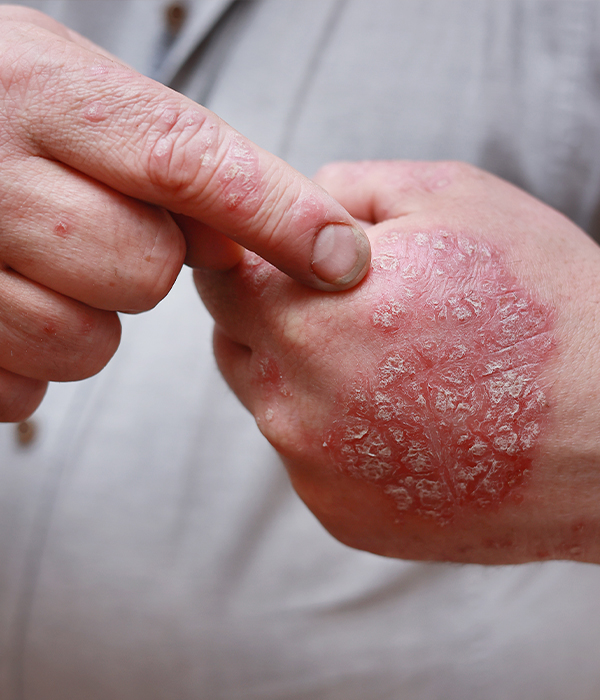
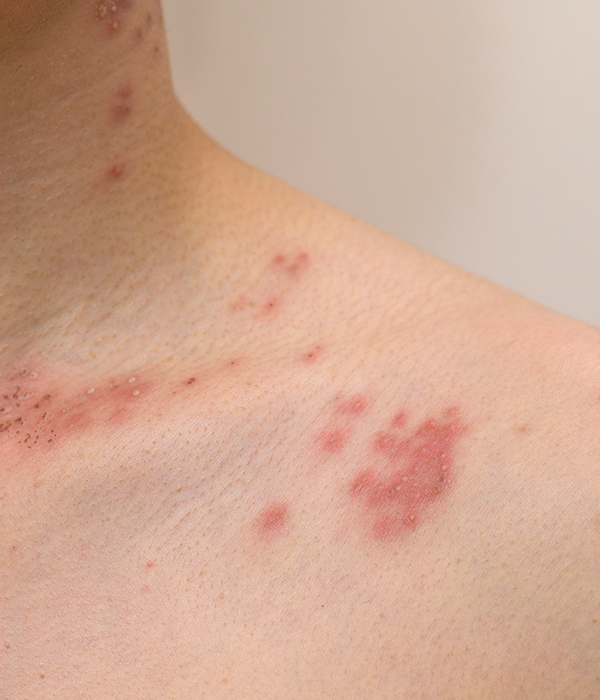
A rash that keeps coming back, skin that flares after touching certain products, or persistent redness that seems to appear without reason — these are signs that the skin is reacting to something specific.
At KidsHeart Medical Center, our Dermatology team identifies triggers and manages allergic skin reactions in patients of all ages across Dubai, Abu Dhabi, and Al Ain.
What Is Contact Dermatitis?
Contact dermatitis is an inflammatory skin reaction triggered by direct contact with a substance. It comes in two forms.
Irritant contact dermatitis occurs when a substance physically damages the skin’s surface. Common culprits include harsh soaps, detergents, cleaning products, and prolonged exposure to water. It is the more common of the two and does not involve the immune system.
Allergic contact dermatitis is an immune response to a specific allergen. The skin becomes sensitized after repeated exposure, and subsequent contact triggers a reaction. Common allergens include nickel in jewelry, fragrances, latex, certain preservatives in skincare products, and plants.
How It Presents
Contact dermatitis does not always look the same, but common signs include:
Red, inflamed skin in areas that came into contact with the trigger
Itching, burning, or stinging on affected skin
Blisters or weeping skin in more severe reactions
Dry, cracked, or scaly patches that persist over time
Swelling, particularly around the eyes, lips, or hands
When to Seek Help
Come in if a rash is recurring in the same area, if it is spreading despite avoiding the suspected cause, if the reaction is affecting your child’s sleep or daily routine, or if you cannot identify what is triggering it. Identifying the specific cause is the only way to prevent it from coming back.
How We Approach It at KidsHeart
We do not guess at triggers. We find them.
A detailed history of products, materials, and environments the patient is exposed to
Patch testing to identify specific allergens causing immune-mediated reactions
Personalized avoidance guidance based on confirmed triggers
Topical treatments to calm active inflammation and support skin recovery
Ongoing advice on safe product alternatives for skincare, laundry, and daily use
Getting to the Cause, Not Just the Symptom
Thorough trigger identification rather than repeated short-term treatment
Patch testing available for patients where allergic contact dermatitis is suspected
Age-appropriate care for infants, children, and adults with different exposure profiles
Practical product guidance that fits into real daily routines
Clinics in Dubai, Abu Dhabi, and Al Ain for follow-up as triggers are confirmed and managed
They can look similar, but contact dermatitis is triggered by an external substance while eczema has a broader set of causes. Proper diagnosis distinguishes between the two.
Patch testing involves applying small amounts of common allergens to the skin for 48 hours to identify specific reactions. It is safe and suitable for older children and adults.