Fungal Infections (Ringworm, Candidiasis, and Others)
Fungal Infections (Ringworm, Candidiasis, and Others)
Fungal Infections (Ringworm, Candidiasis, and Others)
When the Itch Does Not Go Away, It May Be Fungal
Fungal skin infections are among the most commonly misidentified conditions we see. They are frequently mistaken for eczema, allergies, or general dryness — and treated accordingly, without results.
At KidsHeart Medical Center, our Dermatology team accurately diagnoses and treats fungal infections in patients of all ages across Dubai, Abu Dhabi, and Al Ain.
What Are Fungal Skin Infections?
Fungal infections occur when fungi that naturally live on the skin overgrow or when a new fungal organism is introduced through contact. They thrive in warm, moist environments and spread easily through shared surfaces, clothing, and skin-to-skin contact.
The most common types we treat include:
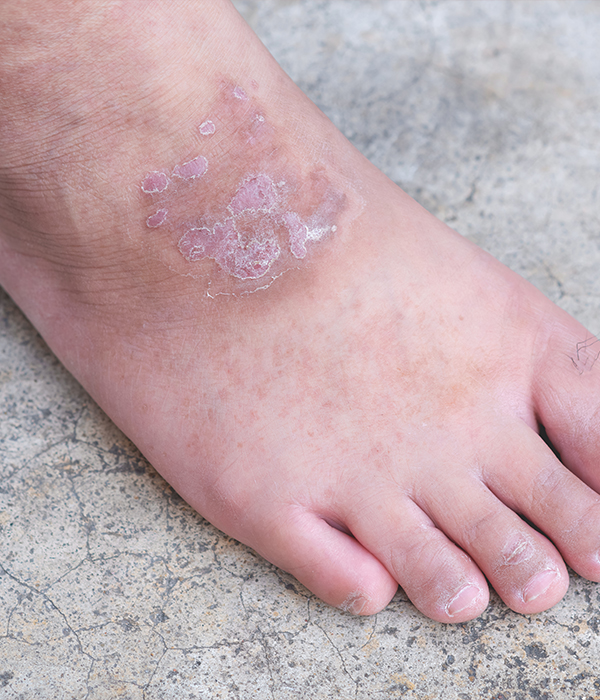
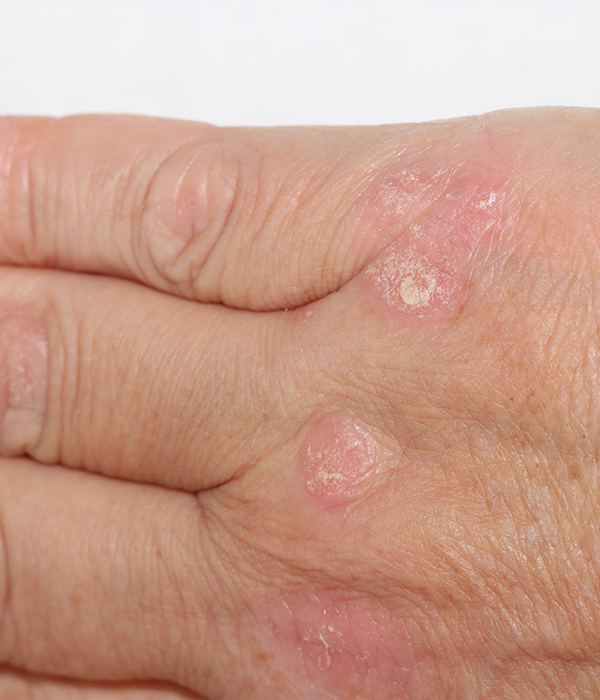
Ringworm (Tinea Corporis): A ring-shaped, scaly rash that appears on the body or scalp, despite having nothing to do with worms
Athlete’s Foot (Tinea Pedis): A fungal infection affecting the skin between the toes and on the soles of the feet
Nail Fungus (Onychomycosis): Causing thickened, discolored, or brittle nails in both children and adults
Candidiasis: A yeast infection that commonly affects skin folds, the mouth, or the nappy area in infants
Tinea Versicolor: Causing uneven skin tone and patches that become more visible in sunlight
Signs That Point to a Fungal Infection
Fungal infections can look different depending on where they appear, but common indicators include:
A ring-shaped or circular rash with a clearer center
Persistent itching, scaling, or redness in warm, moist areas
Skin that is flaking between the toes or in body folds
Nails that are yellowing, thickening, or separating from the nail bed
Patches of uneven skin tone that do not respond to moisturizer
When to See a Dermatologist
Come in if over-the-counter antifungal creams have not cleared the infection within two weeks, if the rash is spreading, if your infant has a persistent nappy rash that is not responding to standard care, or if nails are showing signs of infection. Accurate diagnosis matters here because the wrong treatment simply will not work.
How We Treat Fungal Infections at KidsHeart
We confirm the diagnosis before prescribing anything. Treatment is straightforward once the type of fungus is identified.
Topical antifungal creams or shampoos for surface infections
Oral antifungal medication for scalp, nail, or more widespread infections
Guidance on hygiene practices to prevent reinfection and household spread
Follow-up to confirm the infection has fully cleared
Why Families and Adults Trust KidsHeart
Accurate diagnosis from the first appointment, no guesswork
Age-appropriate treatment for everyone from infants to adults
Practical advice on preventing recurrence at home and school
Available across Dubai, Abu Dhabi, and Al Ain for follow-up care
Coordination with pediatricians when infections are recurring or linked to immune concerns