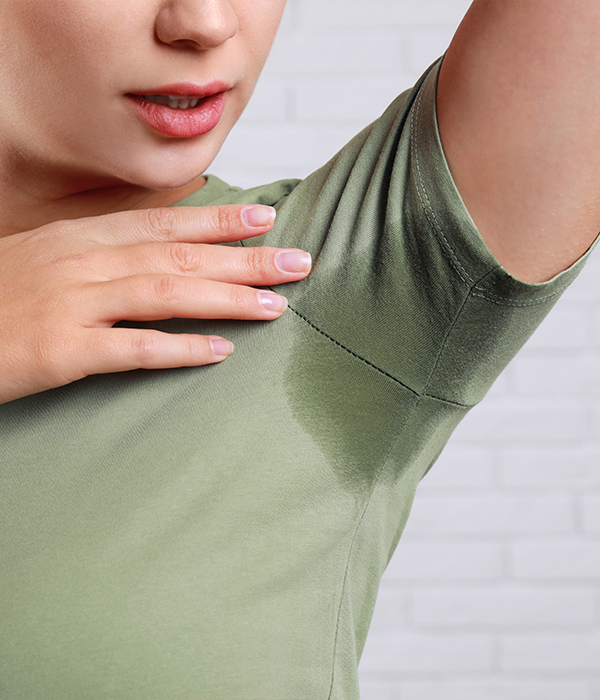
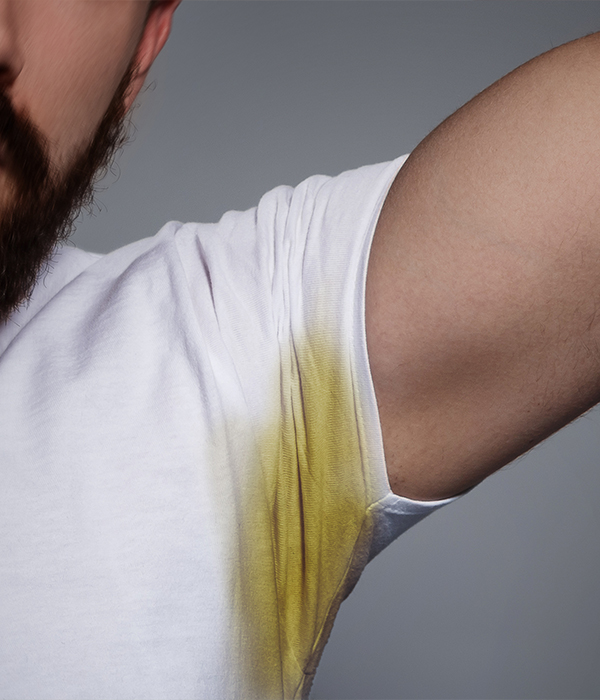
When Sweating Goes Beyond Normal — It Affects More Than Just Your Skin
Sweating is natural. But when it happens constantly, without heat or exertion, and in amounts that affect daily life, it is no longer just a physical inconvenience. It affects confidence, social comfort, and how people move through their day.
At KidsHeart Medical Center, our Dermatology team helps patients of all ages manage hyperhidrosis across Dubai, Abu Dhabi, and Al Ain with treatments that make a real difference.
What Is Hyperhidrosis?
Hyperhidrosis is a condition in which the sweat glands produce significantly more sweat than the body needs for temperature regulation. It can be primary, meaning it occurs on its own without an underlying cause, or secondary, meaning it is driven by another medical condition or medication.
Primary hyperhidrosis most commonly affects the palms, feet, underarms, and face. It tends to start in childhood or adolescence and follows a patient through adulthood if left unmanaged. Secondary hyperhidrosis tends to affect the body more broadly and requires investigation into the underlying cause.
How It Affects Daily Life
The impact of hyperhidrosis extends well beyond damp clothing. Patients commonly report:
Sweating heavily while sitting still, in cool environments, or at rest
Avoiding handshakes, social situations, or physical contact due to sweating
Clothing soaked through despite antiperspirant use
Skin that becomes irritated, macerated, or prone to infections from constant moisture
Disrupted sleep from night sweating in secondary cases
When to Seek Help
If sweating is affecting your child’s confidence at school, your ability to work comfortably, or your daily interactions, it is worth a proper evaluation. Hyperhidrosis is underreported because many patients assume nothing can be done. That is not the case.
How We Treat Hyperhidrosis at KidsHeart
Treatment is matched to the type, severity, and location of sweating.
Clinical strength topical antiperspirants as a first line approach
Iontophoresis, a non-invasive treatment using mild electrical currents to reduce sweating on hands and feet
Botulinum toxin injections for underarm hyperhidrosis in appropriate patients
Investigation and referral where secondary hyperhidrosis is suspected
Ongoing follow-up to assess response and adjust treatment over time
How KidsHeart Approaches This Differently
We take hyperhidrosis seriously as a medical condition, not a cosmetic complaint
Treatment is age appropriate, with careful consideration for younger patients
We assess whether sweating has an underlying cause before proceeding with management
Practical, honest advice on what each treatment involves and what to realistically expect
Clinics in Dubai, Abu Dhabi, and Al Ain for consistent follow-up throughout treatment
You Do Not Have to Manage This Alone or Simply Put Up With It
Hyperhidrosis is treatable. With the right assessment and the right approach, most patients see significant improvement in both symptoms and quality of life.
Primary hyperhidrosis is not dangerous, though it is disruptive. Secondary hyperhidrosis can point to an underlying condition, which is why a proper evaluation matters.
There is some discomfort, but the procedure is well-tolerated by most patients. Results typically last several months before a repeat treatment is needed.
Some patients manage the condition long term with periodic treatment. Others find that consistent use of first-line treatments keeps symptoms well under control.