Rare Does Not Mean Untreatable — Getting the Right Diagnosis Changes Everything
Morphea and lichen sclerosis are conditions that many patients have never heard of before receiving a diagnosis. They are uncommon, often misidentified in early stages, and can cause lasting skin changes when not managed properly.
At KidsHeart Medical Center, our Dermatology team has experience managing both conditions in children and adults across Dubai, Abu Dhabi, and Al Ain.
What Are These Conditions?
Morphea and lichen sclerosis are both inflammatory skin conditions, though they present and behave differently.
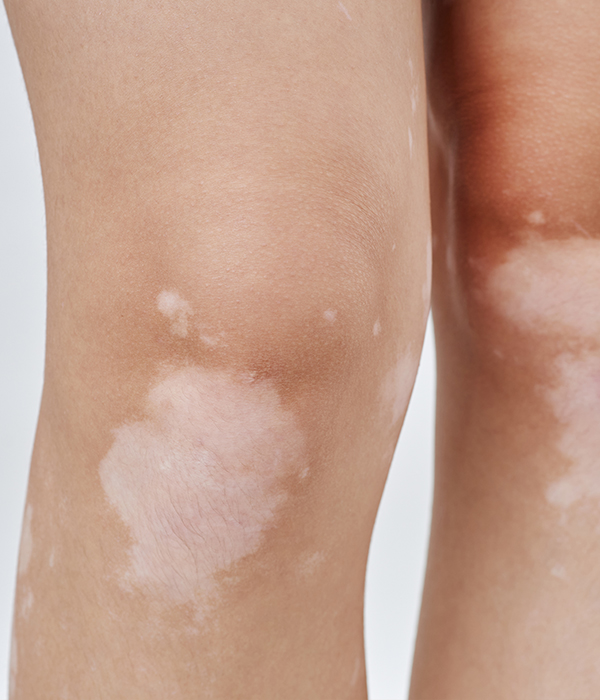
Morphea is a form of localized scleroderma that causes patches of hardened, thickened skin. It occurs when the immune system triggers excess collagen production in a specific area. It does not affect internal organs the way systemic scleroderma does, but it can cause significant skin changes and in some cases affects the tissue beneath. It most commonly appears on the trunk, limbs, or face.
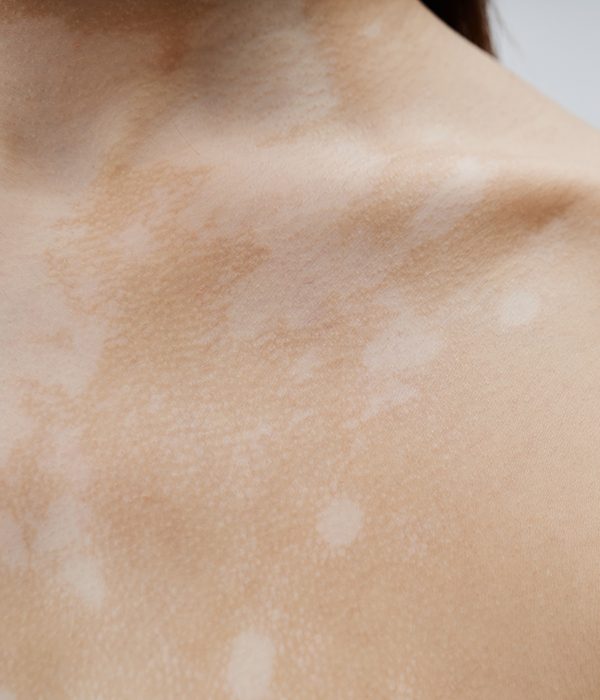
Lichen sclerosis is a chronic inflammatory condition that causes thin, white, fragile patches of skin. It most commonly affects the genital and anal areas but can appear elsewhere on the body. It occurs in both children and adults, and in young girls it is sometimes mistaken for signs of injury or infection. Without treatment it can cause scarring, discomfort, and structural changes over time.
Signs That Warrant an Evaluation
These conditions are often missed in early stages. Look out for:
Patches of skin that appear hardened, discolored, or have a waxy texture
White or pale patches in the genital area or elsewhere that cause itching or discomfort
Skin that feels tight, restricted, or different in texture from surrounding areas
A patch that is slowly expanding or changing in appearance over months
In children, persistent discomfort or irritation in the genital area without clear cause
How We Approach Diagnosis and Treatment
Both conditions require a confirmed diagnosis before treatment begins. Appearance alone is not always sufficient.
Thorough skin assessment and where needed, a biopsy for confirmation
Anti-inflammatory topical treatments to slow progression and reduce discomfort
Monitoring plans to track changes in affected areas over time
Physiotherapy referral where lichen sclerosis is causing structural concerns
Coordination with relevant specialists including gynecologists or rheumatologists when appropriate
What Patients and Families Can Expect at KidsHeart
A calm, sensitive approach to conditions that often affect private or delicate areas
Clear explanation of what each condition is, what it is not, and what the outlook looks like
Ongoing monitoring rather than a single appointment and discharge
Experience managing both pediatric and adult presentations of these conditions
Accessible follow-up care across Dubai, Abu Dhabi, and Al Ain
Getting the right name for what you are dealing with is the first step toward managing it properly. These conditions are treatable, and early care makes a meaningful difference to long-term outcomes.
Morphea is a localized form of scleroderma that affects the skin only. It does not carry the same systemic risks as generalized scleroderma and does not affect internal organs.
Yes. It occurs in prepubescent girls and boys, though it is more common in girls. It is a medical condition and not an indicator of abuse, though it is sometimes mistaken for one.
Morphea sometimes stabilizes without treatment, but lichen sclerosis typically requires ongoing management to prevent scarring and discomfort from worsening.
Most first-line treatments are topical and well-tolerated. We discuss every step before proceeding and adjust based on patient comfort, particularly with younger patients.
With proper diagnosis and consistent management, most patients achieve good control. Early intervention significantly reduces the risk of lasting structural changes.