Persistent Redness Is Not Just a Skin Type — It Is a Condition
Flushing easily, redness that lingers, or skin that reacts to almost everything are signs many people dismiss as having sensitive skin. In many cases, what is actually present is rosacea — a chronic skin condition that worsens without proper management.
At KidsHeart Medical Center, our Dermatology team diagnoses and manages rosacea and facial skin sensitivity in teenagers and adults across Dubai, Abu Dhabi, and Al Ain.
What Is Rosacea?
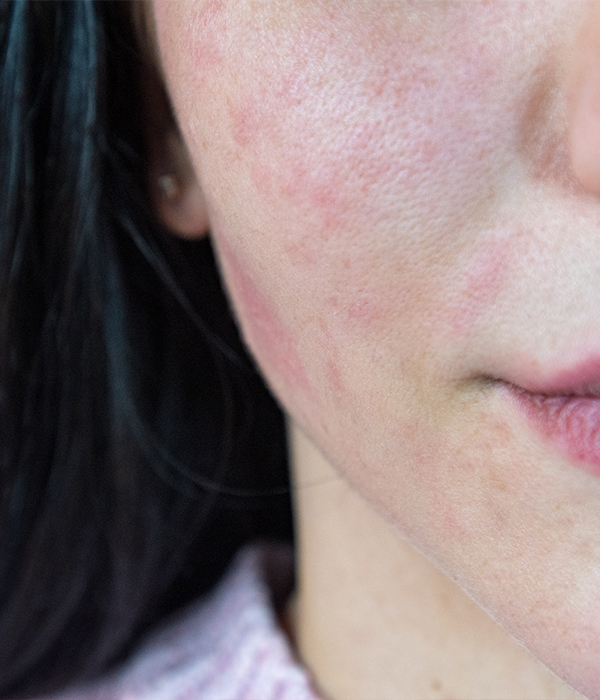
Rosacea is a chronic inflammatory skin condition that primarily affects the face. It causes persistent redness, visible blood vessels, and in some cases, acne-like breakouts or skin thickening. It is not an infection and it is not contagious. It is driven by a combination of genetic predisposition, immune response, and environmental triggers.
It tends to appear in adults over thirty, though it can develop earlier. It is more common in people with lighter skin tones but affects all skin types. Without treatment, it typically progresses and becomes harder to manage over time.
How Rosacea Shows Up
Rosacea presents differently across patients. Common signs include:
Persistent facial redness, particularly across the cheeks, nose, and forehead
Visible small blood vessels on the surface of the skin
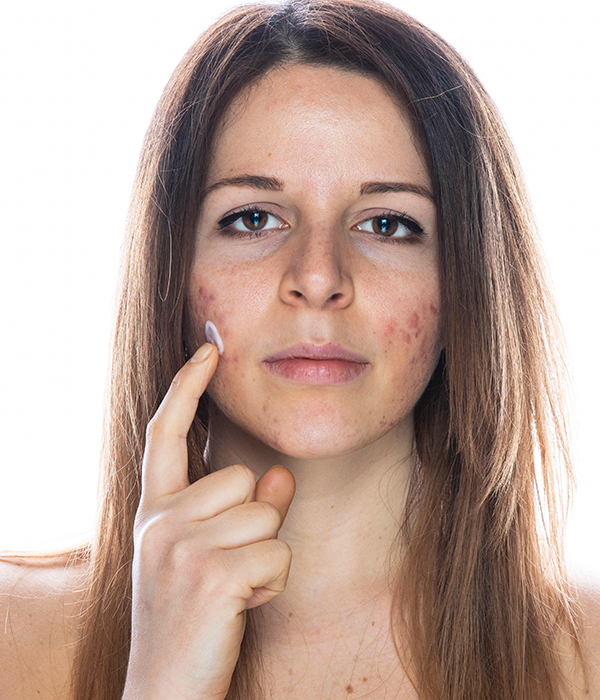
Acne-like bumps or pustules without the blackheads typical of acne
Skin that burns, stings, or feels tight after using products
Eyes that appear red or irritated alongside skin symptoms
In advanced cases, thickening of the skin around the nose
Triggers That Make It Worse
Rosacea does not flare randomly. Common triggers include heat, sun exposure, spicy food, alcohol, stress, intense exercise, and certain skincare ingredients. Identifying personal triggers is a central part of managing the condition effectively.
How We Manage Rosacea at KidsHeart
There is no single cure for rosacea, but it responds well to the right combination of treatment and lifestyle adjustment.
Topical treatments to reduce redness and inflammation
Oral antibiotics for patients with inflammatory pustules
Trigger mapping to identify and reduce personal flare factors
Skincare routine guidance using products that calm rather than aggravate
Referral for laser or light-based treatment where visible vessels require it
What Patients Value About Care at KidsHeart
Clear distinction between rosacea, acne, and general skin sensitivity from the outset
Long-term management focus rather than repeated short-term fixes
Practical skincare advice suited to the climate in the UAE, where heat and sun are constant triggers
Coordination with ophthalmologists when eye involvement is present
Clinics across Dubai, Abu Dhabi, and Al Ain with consistent follow-up care
Living with persistent facial redness or reactive skin is frustrating, particularly when it affects how you feel about yourself. The right diagnosis and a consistent plan make a meaningful difference.
Not exactly. Sensitive skin is a characteristic while rosacea is a diagnosed condition with specific patterns and progression. Many people with rosacea assume they just have reactive skin for years before getting a proper diagnosis.
Yes. Alcohol-based products, strong exfoliants, and fragranced creams commonly aggravate rosacea. We provide specific guidance on what to use and what to avoid.