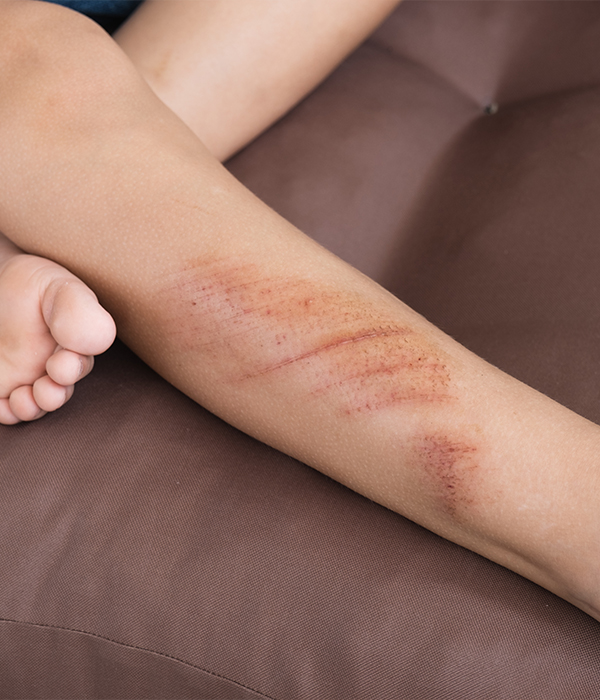
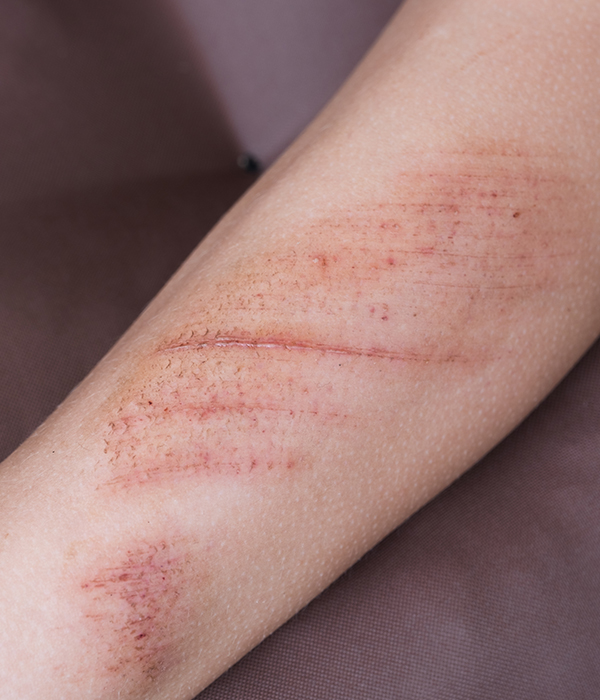
Scars Tell a Story — But They Do Not Have to Define Your Skin
Whether from an injury, a surgical procedure, or years of acne, scars can affect how skin looks and feels long after the original wound has healed.
At KidsHeart Medical Center, our Dermatology team helps patients of all ages manage and minimize scars across Dubai, Abu Dhabi, and Al Ain — with treatments matched to the type of scar, the patient’s skin, and realistic expectations.
Understanding Different Types of Scars
Not all scars are the same, and treatment depends entirely on what type is present.
Hypertrophic Scars are raised, red, and firm scars that remain within the boundary of the original wound. They develop when the body produces excess collagen during healing and often improve with treatment over time.
Keloid Scars extend beyond the original wound boundary and continue growing after the skin has healed. They are more common in darker skin tones and have a tendency to recur without targeted management.
Atrophic Scars sit below the surface of the surrounding skin, creating a sunken or pitted appearance. They are most commonly associated with acne and chickenpox.
Post-Inflammatory Hyperpigmentation refers to the dark marks left behind after inflammation. Technically not a true scar, but one of the most common skin concerns following acne, insect bites, or skin trauma, particularly in patients with darker skin tones.
Surgical and Traumatic Scars vary widely depending on the wound, how it healed, and how the skin was managed in the early stages of recovery.
When Scar Management Is Worth Pursuing
Scars naturally fade over time, but some benefit significantly from treatment. Consider coming in if:
A scar is raised, thickened, or continuing to grow
Scarring from acne is affecting confidence or skin texture noticeably
A surgical scar has healed poorly or is causing tightness
Dark marks from past breakouts or skin trauma are persistent
A child has developed a keloid or hypertrophic scar after an injury or procedure
How We Approach Scar Treatment at KidsHeart
Treatment is always matched to the scar type, location, skin tone, and patient age. There is no single approach that works across every case.
Topical silicone gels and sheeting for hypertrophic and keloid scars
Corticosteroid injections to flatten and soften raised scars
Chemical peels and topical treatments for post-inflammatory pigmentation
Referral for laser therapy where texture or pigmentation requires it
Sun protection guidance to prevent pigmentation from deepening during treatment
What Patients Appreciate About KidsHeart
Honest assessment of what treatment can realistically achieve for each scar type
Age-appropriate care, particularly for children who have developed scars from injury or surgery
Skin tone awareness, as darker skin tones require particular care to avoid worsening pigmentation
Clear timelines so patients understand that scar improvement takes months, not weeks
Clinics across Dubai, Abu Dhabi, and Al Ain for consistent follow-up throughout the treatment course
Better Skin Is Possible. It Just Takes the Right Plan and Enough Time
Scars respond to treatment when the right approach is applied consistently. The earlier the right plan is in place, the better the outcome tends to be.
Most scars cannot be fully removed, but they can be significantly improved in texture, color, and appearance. We are honest about what is achievable from the outset.
For most scars, waiting until the wound has fully healed is important. Early intervention with silicone products can begin once the skin has closed. Raised scars are best addressed before they fully mature.
Significantly. UV exposure darkens post-inflammatory pigmentation and slows overall scar fading. Sun protection is a non-negotiable part of any scar management plan.