
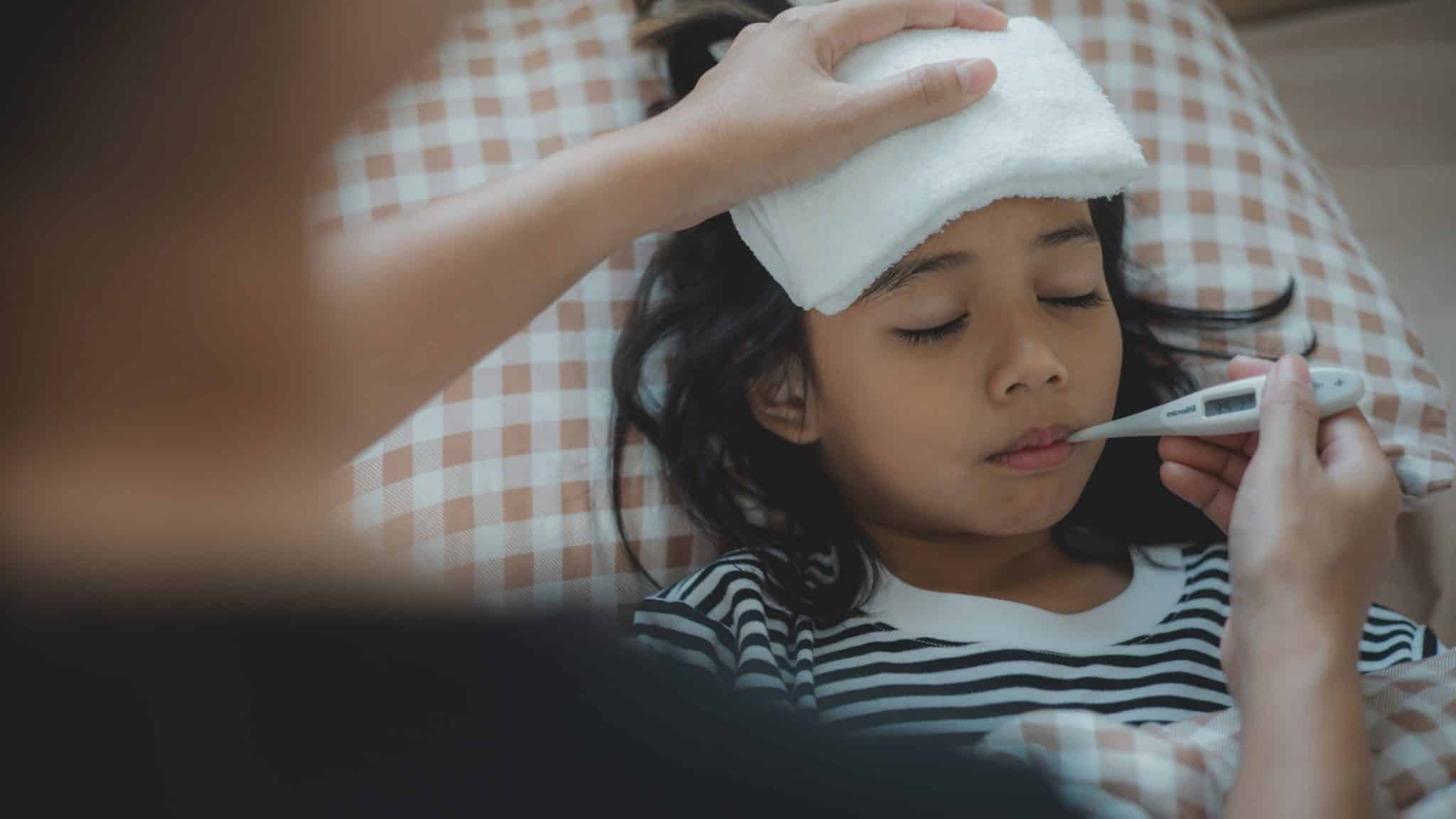
Few things worry parents more than feeling their child’s forehead and realizing they have a fever. Whether it’s late at night or right before school, that moment brings instant concern — Is this serious? Should I rush to the doctor?
The truth is, fever is one of the body’s natural defense mechanisms, not always a sign of something dangerous. Knowing how to respond calmly — and when to seek medical attention — can make all the difference in your child’s comfort and safety.
At KidsHeart Medical Center, our fever and infection management specialists help parents across Dubai, Abu Dhabi, and Al Ain understand the right steps to take when their child’s temperature spikes.
What Exactly Is a Fever?
Fever is the body’s way of fighting infection. It means the immune system has recognized a threat — usually a virus or bacteria — and is raising body temperature to make it harder for those germs to survive.
In children, a temperature of 38°C (100.4°F) or higher is considered a fever. But it’s important to focus on how your child feels, not just the number on the thermometer. A playful child with a mild fever is often less concerning than a very tired, listless child with a moderate one.
Common Causes of Fever in Children
Most fevers are triggered by viral infections, which usually resolve on their own within a few days. Common causes include:
- Colds and flu
- Ear or throat infections
- Respiratory infections
- Stomach viruses (gastroenteritis)
- Teething (in infants, mild and short-lived)
Occasionally, fever can be caused by bacterial infections such as urinary tract infections, pneumonia, or tonsillitis — which may require medical treatment.
Your Step-by-Step Guide to Handling Fever at Home
Here’s how to keep your child comfortable and safe when fever strikes:
- Take an accurate temperature
Use a reliable digital thermometer. For babies under 3 months, rectal readings are most accurate. For older children, ear or forehead thermometers work well. - Keep your child hydrated
Fever increases fluid loss through sweating. Offer small, frequent sips of water, breast milk, or oral rehydration fluids. Avoid sugary or caffeinated drinks. - Dress lightly and keep the room cool
Over-bundling traps heat and raises temperature. Light cotton clothing and a comfortable room temperature (around 24°C) help the body cool naturally. - Offer fever-reducing medicine if needed
If your child is uncomfortable or the fever is above 38.5°C, you can give paracetamol or ibuprofen — but always follow the correct dose for their age and weight. Avoid giving both together unless advised by your pediatrician. - Encourage rest but don’t force it
It’s normal for children to be less active during fever. Allow them to rest, but gentle play or reading is fine if they feel up to it. - Monitor symptoms
Keep an eye on how your child behaves — alertness, appetite, and energy levels often tell you more than the temperature alone.
When to Call the Doctor
You should contact your pediatrician if your child:
- Is younger than 3 months with any fever
- Has a fever lasting more than 3 days
- Appears very drowsy, unresponsive, or irritable
- Has difficulty breathing or persistent vomiting
- Shows signs of dehydration (dry lips, little urine, no tears)
- Develops a rash that doesn’t fade when pressed
- Has a stiff neck, seizure, or intense headache
Our treatment for common childhood illnesses team provides same-day pediatric consultations for fevers, infections, and urgent symptoms, ensuring quick diagnosis and peace of mind.
Understanding Fever Myths
Many parents worry that high fever will harm their child’s brain or that it must be reduced immediately. The truth is more reassuring:
- Fever itself rarely causes harm — it’s a sign the immune system is doing its job.
- Only temperatures above 41°C (very rare) are potentially dangerous.
- Sponging with cold water or alcohol is not recommended; it can cause shivering and increase body heat.
- Teething causes only mild temperature rises — never high fever.
Knowing these facts helps you respond with confidence, not panic.
Fever and the UAE Environment
In the UAE, fevers are often linked to seasonal viral infections, especially during school months and winter’s cooler air-conditioned season. Sudden temperature changes between indoor and outdoor environments can also affect the body’s balance.
According to the UAE Ministry of Health, respiratory infections are the leading cause of fever-related pediatric visits, particularly between October and March. Regular handwashing, proper hydration, and up-to-date vaccinations remain the best ways to prevent infection.
Our childhood vaccinations and immunizations service helps parents stay on schedule — providing vital protection against serious, fever-causing illnesses such as influenza, measles, and meningitis.
Did You Know?
A healthy child can have 6 to 8 minor viral infections a year, especially if attending nursery or school. This is part of normal immune system development. With each infection, your child’s defenses grow stronger — meaning fewer fevers as they get older.
Calm Parents, Healthy Kids
Fevers are a normal part of childhood, and most resolve safely at home with care and observation. What matters most is your child’s overall comfort, hydration, and alertness — not just the temperature reading.
At KidsHeart Medical Center, our Western-trained pediatricians in Dubai, Abu Dhabi, and Al Ain provide expert care for children with fevers, infections, and related concerns. If you’re unsure whether your child’s fever needs medical attention, you can easily book an appointment with our pediatric specialists at KidsHeart Medical Center.