
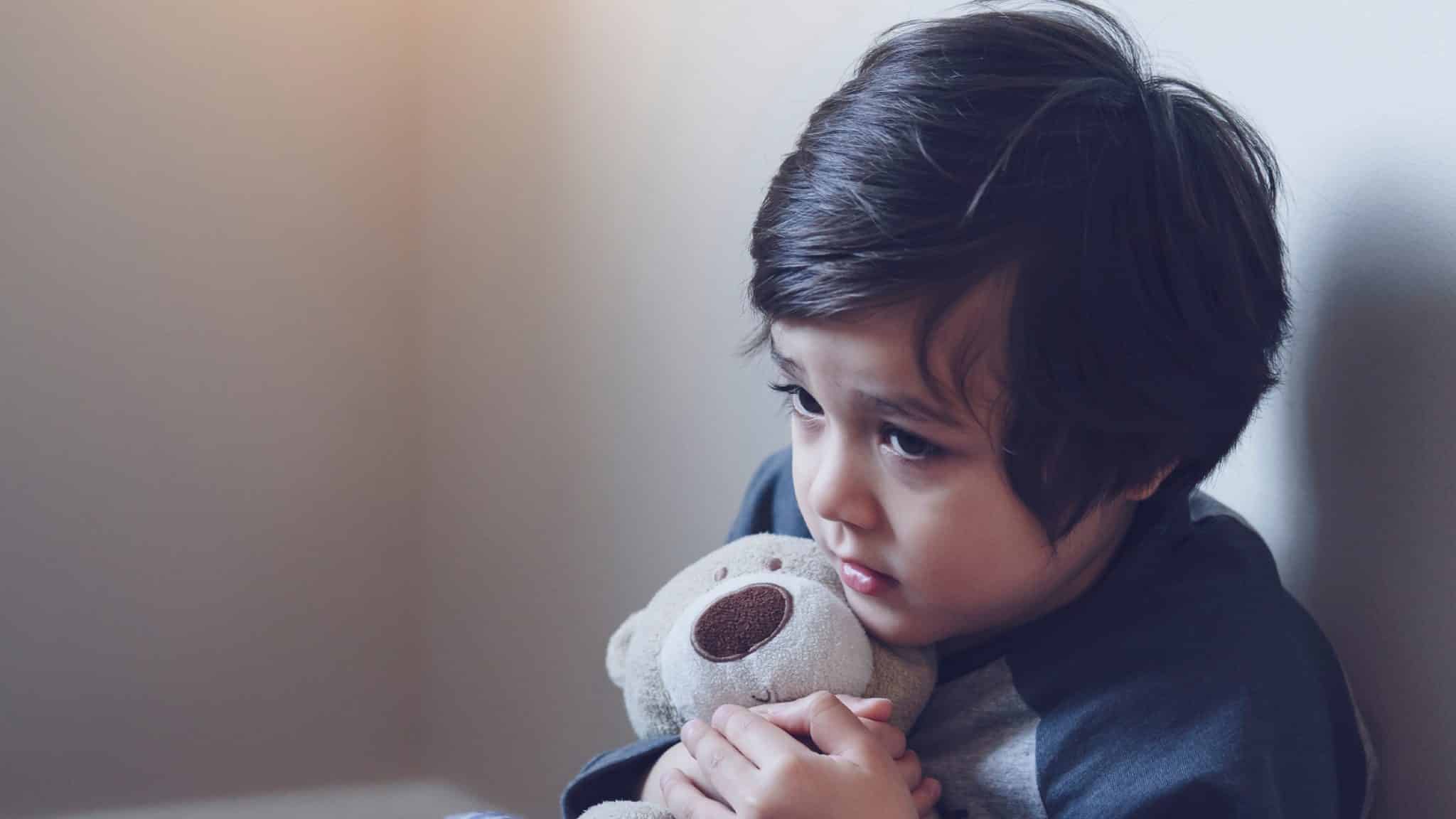
When something frightening or overwhelming happens, adults often struggle to process it — but for children, the world can feel as if it has suddenly stopped making sense. A loud accident, hospital stay, bullying incident, or even witnessing a loved one’s distress can leave emotional marks that linger long after the event is over.
At KidsHeart, our pediatric psychology specialists often meet families who notice their child has “changed” after a stressful experience. Parents describe children who were once confident now becoming anxious, jumpy, or withdrawn. These reactions can sometimes point to Post-Traumatic Stress Disorder (PTSD) — a condition where the mind keeps replaying a painful memory as if it’s happening again.
The good news is that with early understanding, gentle support, and the right therapy, children can recover, rebuild trust, and rediscover a sense of safety.
What Is PTSD in Children and Teens?
PTSD is a mental health condition that can develop after a child experiences or witnesses something deeply frightening, threatening, or distressing. It can result from direct events (like an accident, illness, or loss) or even from hearing about trauma affecting someone close.
Unlike adults, children often can’t explain their fear or sadness in words — instead, it shows up through behavior, sleep problems, or sudden changes in mood.
Common signs of PTSD in children and teens include:
- Recurring nightmares or flashbacks about the event.
- Avoidance of places or people that remind them of what happened.
- Irritability, anger, or sudden emotional outbursts.
- Difficulty concentrating at school.
- Physical complaints such as headaches or stomach aches with no clear cause.
- Hypervigilance — always “on edge” or startled by noises.
In younger children, trauma can sometimes look like regression — bedwetting, clinginess, or fears they had outgrown. For teenagers, it might appear as isolation, risky behavior, or emotional numbness.
Why Trauma Affects Children Differently
A child’s brain and emotional systems are still developing, which means they process and store memories differently from adults. When something overwhelming happens, their ability to make sense of it can freeze — like a puzzle missing a few key pieces.
Trauma doesn’t only come from major disasters; it can also result from medical emergencies, family conflict, bullying, or relocation — experiences that shake a child’s sense of stability. In the UAE, where many families live away from extended relatives and face rapid lifestyle changes, children can feel especially vulnerable when their usual sense of safety is disrupted.
At KidsHeart, our psychologists often remind parents that trauma is not about “how bad” an event seems from the outside — it’s about how deeply it felt inside the child’s world.
Did You Know?
According to regional child wellbeing reports, an increasing number of UAE schools now include emotional support counselors to help children recover from stressful events such as accidents, losses, or community crises. These initiatives reflect the nation’s commitment to holistic wellbeing — recognizing that emotional recovery is as important as physical healing.
Our pediatric psychology specialists at KidsHeart work closely with families and schools to ensure children receive the right care early on, before distress turns into long-term anxiety or avoidance.
A Story of Gentle Recovery
When nine-year-old Hana was involved in a minor car accident, her parents thought she was fine — she had no physical injuries. But soon after, Hana began refusing to get into a car. She would cry on the way to school and wake up from nightmares. Her parents, feeling helpless, reached out for help.
Through trauma-focused therapy at KidsHeart, Hana’s psychologist used play therapy and art therapy to help her express fear in a safe, symbolic way. By drawing her “scary car” and gradually reimagining it as a “safe car,” Hana learned that she could be brave again. Within a few months, she was riding comfortably — proof that healing happens when fear is met with understanding, not pressure.
How Pediatric Psychologists Help Children Heal
At KidsHeart, our trauma-informed approach focuses on restoring safety, trust, and control — the three things trauma often takes away. Therapy doesn’t rush children to talk about what happened; instead, it helps them feel secure enough to process emotions at their own pace.
Our Western-trained psychologists in Dubai, Abu Dhabi, and Al Ain use evidence-based techniques such as:
- Trauma-Focused Cognitive Behavioral Therapy (TF-CBT) to help children gently reframe distressing memories.
- Emotional regulation support to teach calming skills and manage anxiety responses.
- Early intervention programs for children who have recently experienced distress, reducing the risk of long-term impact.
- Family counseling to help parents respond supportively and understand triggers.
For adolescents, therapy often includes guided mindfulness, journaling, or creative expression — all tools that rebuild resilience and confidence.
How Families Can Support Healing at Home
Parents are the foundation of recovery. When children sense safety and predictability at home, their nervous system begins to settle. Here are simple, effective ways to help:
- Maintain routines. Regular meals, bedtime, and school attendance give children a sense of control.
- Validate their feelings. Instead of saying “You’re safe now, don’t be scared,” try “I understand it still feels scary — but we’ll face it together.”
- Model calm. Children mirror parental tone. If you stay composed, they begin to believe they can too.
- Encourage expression. Drawing, storytelling, or play allows emotions to surface naturally.
- Limit exposure to distressing media. Images or videos related to the event can retrigger anxiety.
- Be patient. Healing from trauma is not about forgetting; it’s about learning to feel safe again.
At KidsHeart, we remind families that love, patience, and gentle consistency often do more for recovery than any single conversation.
Did You Know (UAE-Focused Insight)?
In alignment with the UAE’s National Strategy for Wellbeing 2031, child mental health awareness has expanded to include trauma-informed school practices and community outreach. Pediatric psychologists in Dubai and Abu Dhabi frequently collaborate with educators and parents to create safe, supportive environments for children who have experienced stress or loss. This growing awareness helps children heal without shame or stigma — something KidsHeart proudly supports.
A Parent’s Reflection of Hope
One mother in Abu Dhabi shared how her teenage son withdrew completely after witnessing a relative’s sudden illness. “He stopped laughing and wouldn’t leave his room,” she recalled. Through therapy, he learned to talk about his fear, understanding that remembering didn’t mean reliving. “The first time he smiled again,” she said softly, “I knew we were healing.”
These stories remind us that children don’t stay trapped in trauma forever. With care and connection, their natural resilience shines through.
Helping Hearts Heal Together
PTSD in children isn’t a lifelong sentence — it’s a call for compassion, understanding, and timely care. With professional support, children can move from fear to confidence, from nightmares to peace, from silence to self-expression.
If you’re in Dubai, Abu Dhabi, or Al Ain and have noticed your child struggling after a stressful experience — trouble sleeping, avoiding activities, or seeming “not themselves” — our pediatric psychology specialists at KidsHeart can help. Through evidence-based, child-centered therapy, we guide families toward calm, resilience, and healing. Learn more or reach out today at KidsHeart Pediatric Psychology.