
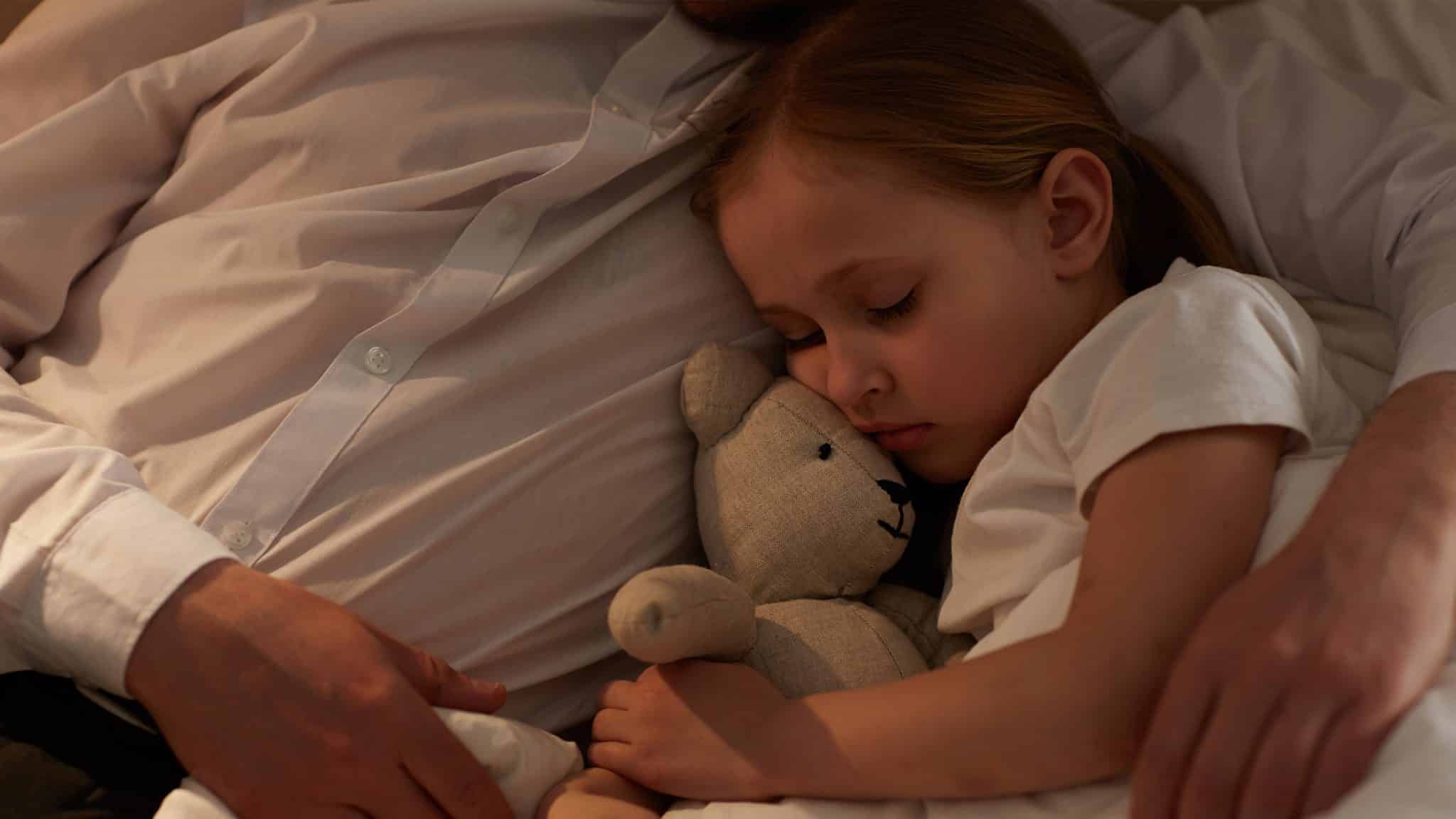
Between after-school activities, late dinners, and endless screen time, bedtime can feel like a daily challenge for many families in Dubai. In a city that never seems to slow down, it’s easy for children’s sleep routines to slip — but good sleep isn’t a luxury. It’s one of the most powerful tools for a child’s growth, focus, and emotional balance.
At KidsHeart Medical Center, our sleep issues and bedtime challenges specialists in Dubai, Abu Dhabi, and Al Ain help parents create calm, consistent sleep habits that fit real UAE family life — not rigid schedules that are impossible to follow.
Why Sleep Matters More Than You Think
Sleep is when children’s bodies and brains recharge. Growth hormones are released, memories are stored, and emotions are regulated — all while they rest. Without enough sleep, even the brightest child can struggle to focus, stay calm, or learn effectively.
Studies show that school-aged children need 9–12 hours of sleep, while teenagers need 8–10 hours. Yet in the UAE, many kids fall short of this goal.
A Dubai Health Authority (DHA) survey found that over 60% of children sleep less than 8 hours on school nights, often due to late dinners, homework, and screen time before bed.
The Signs of Sleep Deprivation
Poor sleep doesn’t always look like yawning — in children, it often appears as:
- Irritability or mood swings
- Difficulty waking up for school
- Poor focus or hyperactivity
- Frequent colds or low immunity
- Falling asleep during car rides or homework
When sleep improves, many parents notice better moods, stronger attention, and even improved appetite.
Why Dubai’s Lifestyle Makes Sleep a Challenge
Life in Dubai is wonderfully dynamic — but that same energy can make it hard to maintain routines. Late social events, heavy evening traffic, and long work hours often push children’s bedtimes later. Add in bright lights, air conditioning, and devices, and children’s natural sleep rhythms are easily disrupted.
Even young children are exposed to more screens than ever before — tablets for homework, TV for relaxation, and phones for family calls. The blue light from these screens delays the brain’s release of melatonin, the sleep hormone, keeping kids wired long after bedtime.
Building a Sleep-Friendly Routine
The good news? A few small adjustments can restore calm evenings and deeper sleep — no drastic changes required.
Here’s how parents can help:
- Set a consistent bedtime and wake time: Even on weekends, consistency helps the body’s internal clock.
- Create a relaxing routine: Bath, story, prayer, or quiet chat — familiar rituals cue the brain that it’s time to wind down.
- Dim the lights: Lowering brightness an hour before bed signals the body to release melatonin.
- Limit screens 60 minutes before bedtime: Replace screens with calm activities like reading or soft music.
- Keep bedrooms cool, quiet, and dark: Ideal room temperature is around 22–24°C in the UAE’s climate.
- Avoid sugary snacks or caffeine (including chocolate) after 6 p.m.
Our general pediatrics team often reminds parents that routines don’t have to be perfect — they just need to be predictable. Children feel safest and most relaxed when bedtime follows a steady pattern.
Helping Toddlers and Preschoolers Sleep Through the Night
Young children may resist bedtime for fear of missing out or needing extra comfort. You can ease transitions by:
- Giving gentle reminders before bedtime (“10 more minutes of play, then it’s bath time”).
- Offering choices (“Would you like the blue pajamas or red ones?”).
- Using a nightlight for comfort if needed.
- Keeping naps earlier in the day — late naps can disrupt bedtime.
If night waking or bedtime struggles persist, our early childhood behavioral consultations service helps parents gently retrain sleep habits with supportive strategies — never punishment.
For School-Age Kids and Teens
Older children often stay up late due to homework or social media. Encourage:
- A screen-free zone after 9 p.m.
- Relaxing activities like journaling or listening to soft music.
- Early dinner times to avoid discomfort at bedtime.
- Discussing stress or school worries earlier in the evening rather than at lights-out.
Teenagers, in particular, need guidance balancing academics and rest — sleep deprivation can lower grades and affect emotional health.
The Role of Physical Activity
Children who move during the day sleep better at night. Encourage outdoor play when temperatures allow — early mornings or after sunset. Regular exercise improves mood, digestion, and natural sleep drive.
Our treatment for common childhood illnesses team notes that well-rested children also have stronger immunity and fewer infections — yet another reason to protect sleep.
Did You Know?
UAE-based pediatric studies show that children who get at least 9 hours of nightly sleep have 40% fewer school absences and significantly higher attention scores compared to those sleeping less than 7 hours. Consistent sleep is as important as nutrition and exercise in supporting learning and growth.
Peaceful Nights, Brighter Days
Helping your child sleep well isn’t just about earlier bedtimes — it’s about creating balance in a busy world. Calm evenings, consistent routines, and restful sleep prepare children for happier mornings and focused school days.
At KidsHeart Medical Center, our Western-trained pediatricians and child health experts in Dubai, Abu Dhabi, and Al Ain help families build healthy sleep routines suited to modern UAE life. If bedtime struggles are affecting your child’s mood or health, you can easily book an appointment with our pediatric specialists at KidsHeart Medical Center.