

Fetal Echocardiography Services

Fetal Echocardiography Services

Early Heart Screening for Healthier Beginnings
Fetal Echocardiography Services Pediatric Cardiology KidsHeart Dubai Abu Dhabi Alain

At KidsHeart Medical Center, we believe that early detection is key to ensuring the healthiest possible start for every baby.
Our Fetal Echocardiography service offers detailed imaging of a baby’s heart during pregnancy — helping families and doctors identify potential concerns early and plan the best care pathway.

We offer specialized Pediatric Cardiology across Dubai, Abu Dhabi, and Al Ain, providing peace of mind to expecting families.

Your Baby's Heart Can Be Checked Before Birth

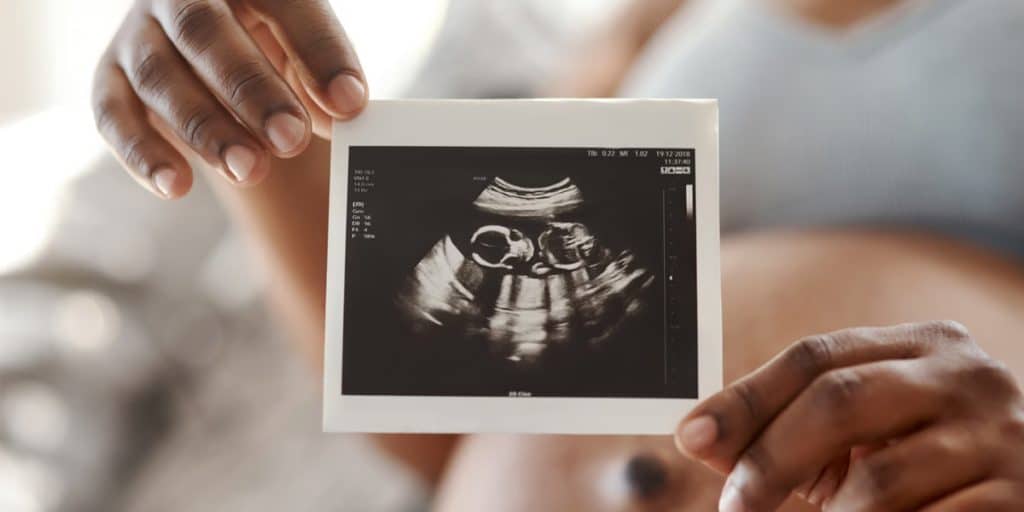
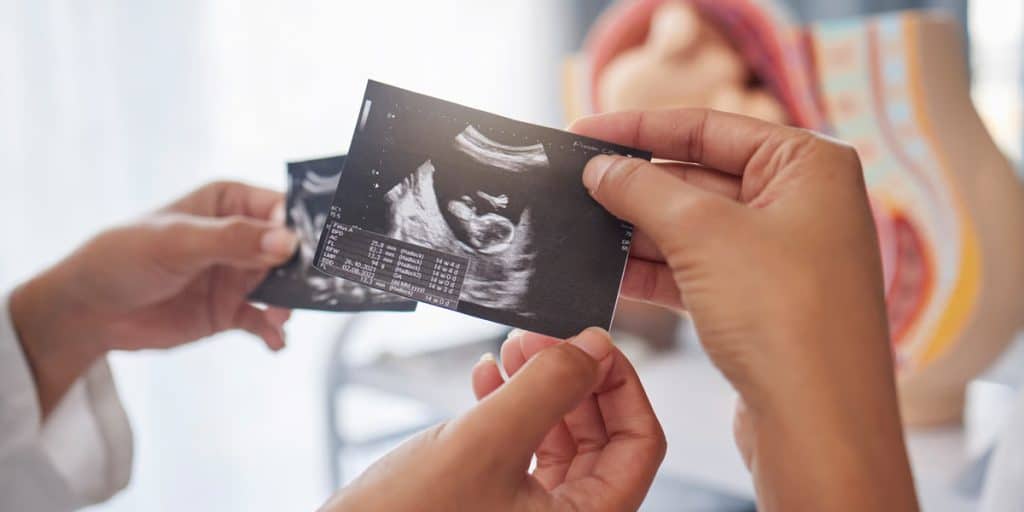
A fetal echocardiogram is a specialized ultrasound that looks closely at your baby’s heart while you’re still pregnant — so any concerns can be caught early and planned for properly.

Safe, Painless, and Non-Invasive for You and Your Baby

The test uses sound waves — no radiation, no needles, and no recovery time needed. Most scans take between 30 and 60 minutes, and you can go about your day right after.

The Best Time to Have This Test Is Between 18 and 24 Weeks

Your doctor may recommend a fetal echocardiogram if there’s a family history of heart conditions, a chromosomal concern, or something noticed on a routine ultrasound — but any expecting parent can request it for peace of mind.

Our Pediatric Cardiologists Read Every Scan in Real Time

Images of your baby’s heart — including the chambers, valves, and blood flow — are reviewed live by our specialists. If anything needs a closer look, we’ll walk you through the next steps right away.

If a Concern Is Found, You Won't Face It Alone

Our team will explain the findings clearly, connect you with the right specialists, and help plan for delivery and any care needed right after birth — so you feel supported every step of the way.

Available Across Dubai, Abu Dhabi, and Al Ain

KidsHeart offers fetal echocardiography at multiple locations so you can access expert fetal heart care close to home, with the same high standard of care at every branch.

What is Fetal Echocardiography?

Fetal Echocardiography is a specialized ultrasound test that focuses specifically on the structure and function of a developing baby’s heart.
It allows our doctors to detect congenital heart defects and other abnormalities even before birth — giving families time to prepare and specialists time to plan interventions if needed.

Typically performed between 18 and 24 weeks of pregnancy, it is safe, painless, and non-invasive for both mother and baby.

Why is Fetal Echocardiography Important?

Early detection of heart problems can:

  • Enable timely planning for delivery and postnatal care.
  • Allow necessary treatments to begin immediately after birth.
  • Improve overall outcomes for babies with complex heart conditions.
  • Provide reassurance when the baby’s heart is developing normally.

Fetal echocardiography not only helps in identifying concerns but also gives families the confidence and information needed to make well-informed decisions.

Who Should Consider Fetal Echocardiography?

Your obstetrician or maternal-fetal medicine specialist might recommend a fetal echocardiogram if:

  • There is a family history of congenital heart defects.
  • The mother has conditions like diabetes, lupus, or viral infections during pregnancy.
  • An abnormality is suspected during a routine ultrasound.
  • There are chromosomal abnormalities like Down syndrome.
  • The mother is taking certain medications that could affect fetal development.
  • Twin pregnancies, especially those sharing a placenta.
  • IVF (In Vitro Fertilization) pregnancies may also warrant closer screening.

Even if there are no risk factors, some families choose fetal echocardiography for reassurance.

How the Test Works

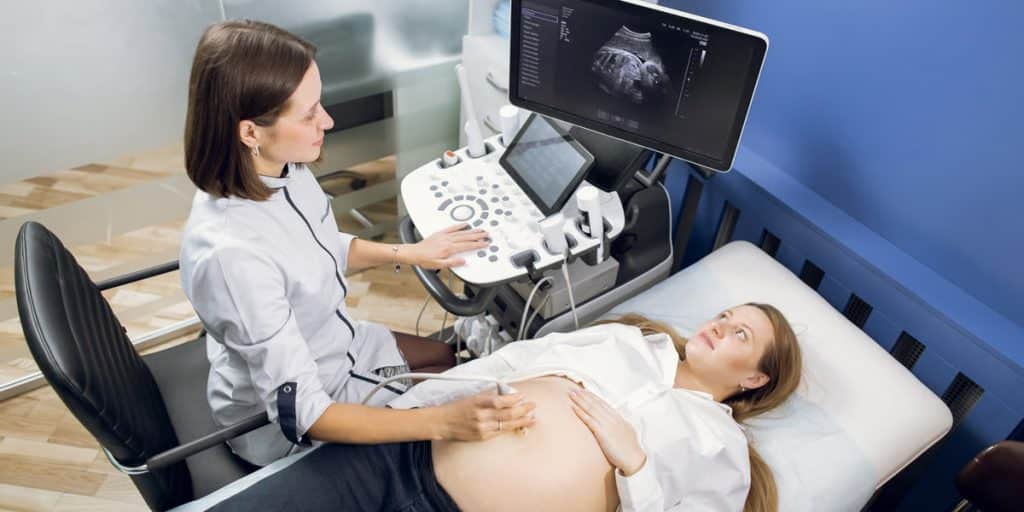
  • You will lie comfortably while a specialized ultrasound probe is placed on your abdomen.
  • The probe uses sound waves to create highly detailed images of the baby’s heart — including the chambers, valves, blood vessels, and blood flow.
  • Our Pediatric Cardiologists interpret the images in real-time and may recommend further monitoring if needed.

The procedure usually takes 30 to 60 minutes and does not involve any pain, radiation, or recovery time.

What Happens After the Test?

  • Normal Results: Most fetal echocardiograms show that the baby’s heart is developing normally. You’ll continue routine prenatal care.
  • Abnormal Findings: If a concern is detected, our team will guide you through the next steps, which may include follow-up tests, counseling, and delivery planning involving neonatal cardiology support.

Our team ensures that families feel fully supported, informed, and cared for throughout the journey.

Why Choose KidsHeart for Fetal Echocardiography?

  • Experienced Pediatric Cardiologists: Highly skilled in detecting even the smallest heart abnormalities.
  • Advanced Imaging Technology: High-resolution ultrasound equipment tailored for fetal cardiac imaging.
  • Family-Centered Care: We explain every step, answer all your questions, and offer emotional support.
  • Integrated Services: Collaboration with Obstetrics, Neonatology, and Pediatric Cardiac Surgery teams if needed.
  • Multiple Locations: Available in Dubai, Abu Dhabi, and Al Ain for easy access.

Your peace of mind is our priority.
Early Detection, Stronger Beginnings

At KidsHeart, we are committed to giving every baby the healthiest possible start in life.
Our Fetal Echocardiography services help families take the first step with clarity, confidence, and expert care.

Frequently Asked Questions (FAQs)

Yes. It’s a completely safe, non-invasive procedure that uses ultrasound waves — not radiation — to create images.

No special preparation is needed. Just eat and drink normally unless your doctor advises otherwise.

Our team will discuss all findings in detail, arrange for further care if necessary, and connect you with pediatric heart specialists for delivery and after-birth planning.

In rare cases, certain fetal heart procedures can be performed during pregnancy. Otherwise, treatments usually start immediately after birth with close coordination between specialists.

Preliminary results are often shared immediately after the scan, with a full detailed report provided soon after.