
Preventive Pediatric Cardiology
Protecting Young Hearts with Early Screening and Healthy Lifestyle Guidance
At KidsHeart Medical Center, we believe that prevention is the first and most powerful step toward lifelong heart health.
Our Preventive Pediatric Cardiology program is designed for children who have risk factors, such as the family history of heart disease, high cholesterol, hypertension, or other conditions that may impact heart health later in life.
Our goal is to detect risks early, build heart-healthy habits, and prevent serious problems before they start.
Our program is fully integrated with our broader Pediatric Cardiology Services to ensure a complete approach to screening, monitoring, and counseling.
The Best Time to Protect Your Child's Heart Is Before Any Problems Begin
Many heart conditions that show up in adulthood have their roots in childhood. Preventive pediatric cardiology focuses on identifying risks early — and taking practical steps now to reduce what your child may face years down the road.
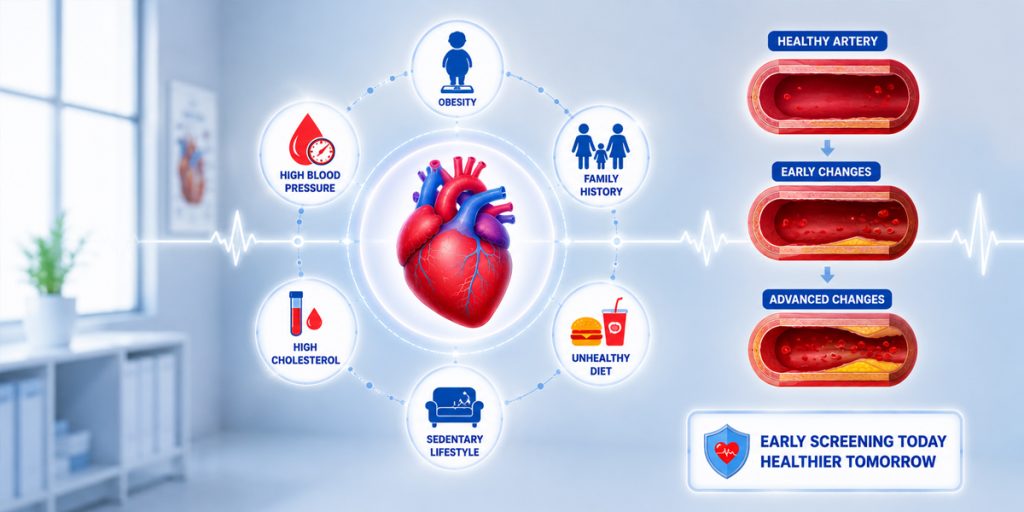
Heart Disease Risk Can Begin Silently in Children, Even Without Any Symptoms
Early arterial changes linked to obesity, high cholesterol, or high blood pressure can start during childhood with no warning signs at all. That’s why proactive screening matters, especially when risk factors are present.
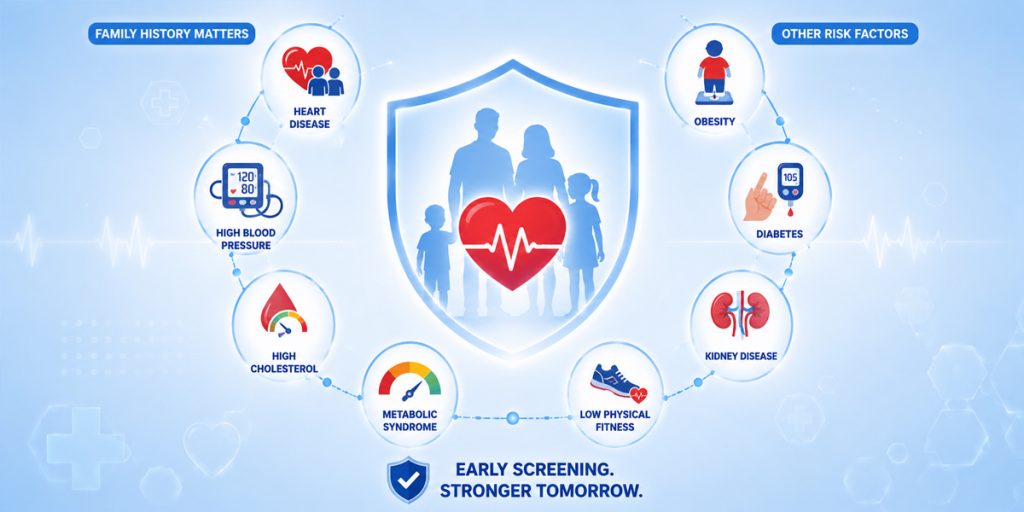
Does Your Family Have a History of Heart Disease, High Blood Pressure, or High Cholesterol?
If so, your child may benefit from early preventive cardiac care. We also recommend screening for children with obesity, diabetes, kidney disease, metabolic syndrome, or low physical fitness — even if they seem perfectly healthy right now.
Our Program Covers Screening, Counseling, and a Plan That Grows With Your Child
We assess your child’s full risk profile — including blood pressure, cholesterol, glucose, weight, and cardiac testing — then build a personalized plan covering nutrition, exercise, and ongoing monitoring from early childhood through adolescence.
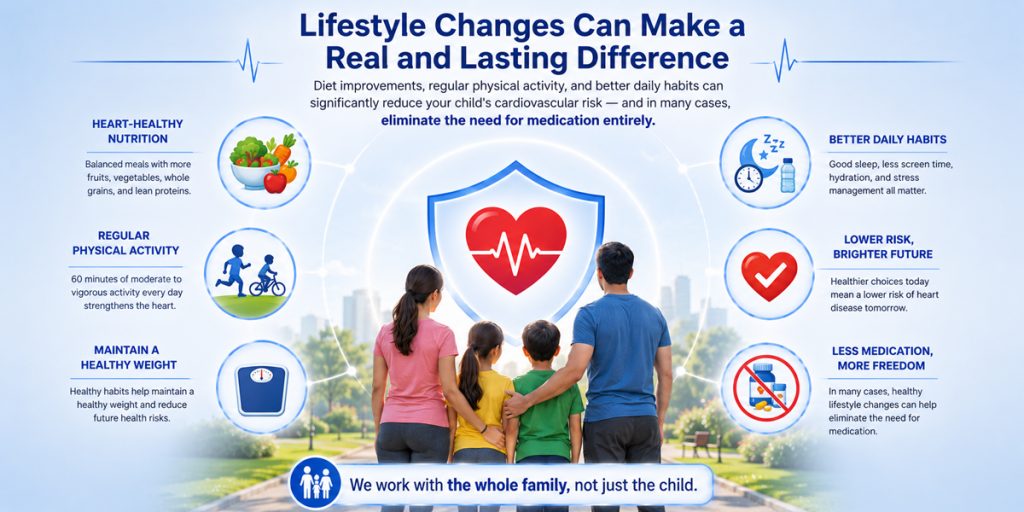
Lifestyle Changes Can Make a Real and Lasting Difference
Diet improvements, regular physical activity, and better daily habits can significantly reduce your child’s cardiovascular risk — and in many cases, eliminate the need for medication entirely. We work with the whole family, not just the child.
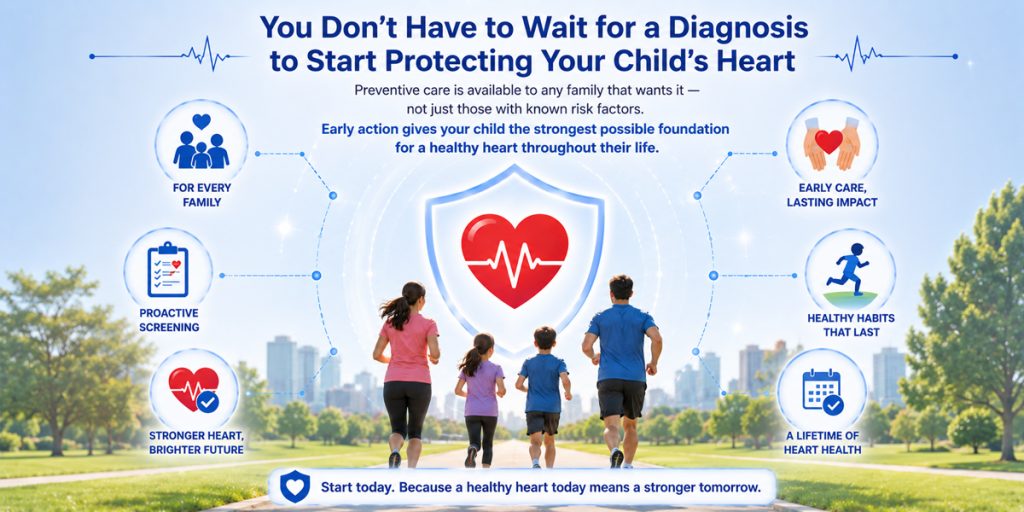
You Don't Have to Wait for a Diagnosis to Start Protecting Your Child's Heart
Preventive care is available to any family that wants it — not just those with known risk factors. Early action gives your child the strongest possible foundation for a healthy heart throughout their life.
Why Preventive Pediatric Cardiology Matters
Many heart diseases in adulthood can begin in childhood — sometimes silently.
Risk factors such as obesity, sedentary lifestyle, poor nutrition, or genetic predisposition can quietly lead to high blood pressure, cholesterol issues, or early arterial changes without obvious symptoms.
Preventive Pediatric Cardiology focuses on:
- Early identification of cardiovascular risks
- Tailored lifestyle counseling for families
- Regular monitoring and tracking of health markers
- Medical intervention only when necessary
- Empowering children and parents with the knowledge to make heart-healthy choices
This proactive approach ensures a stronger, healthier future for every child.
Who Should Consider Preventive Pediatric Cardiology?
We recommend preventive cardiac screening for children who have:
- Family history of early heart disease, high blood pressure, or high cholesterol
- Obesity or rapid weight gain
- Diabetes, kidney disease, or metabolic syndrome
- Congenital heart defects or other chronic conditions
- Poor physical fitness or sedentary lifestyles
- Abnormal cholesterol or blood pressure results from routine health screenings
Starting preventive care early is especially important when multiple risk factors are present.
What Our Preventive Program Includes
Our Preventive Pediatric Cardiology services typically involve:
- Comprehensive cardiac risk assessment (including family history review)
- Screening tests such as blood pressure monitoring, lipid panels, glucose checks, and weight tracking
- Cardiac testing includes EKG, Echocardiogram
- Nutritional and exercise counseling tailored to the child’s age and needs
- Early management plans for elevated blood pressure, cholesterol, or glucose if needed
- Ongoing education for families to support long-term heart health
- Regular follow-ups to track improvements and adjust care plans over time
- Appropriate referral to other medical specialty if needed as endocrinologists.
The program is built to grow with your child — from early childhood through adolescence.
Why Choose KidsHeart?
- Led by Pediatric Cardiologists specializing in preventive heart health
- Personalized plans that consider both lifestyle and medical risk factors
- Emphasis on non-invasive management and family empowerment
- Access to full pediatric cardiac services if deeper evaluation or treatment becomes necessary
- Located in Major Cities like Dubai, Abu Dhabi, and Al Ain — making preventive care accessible for all families
We are dedicated to helping families protect what matters most — their children’s future.
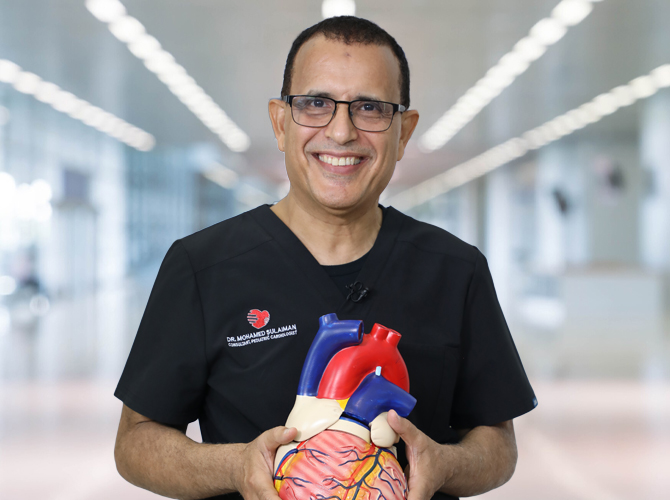
Dr. Mohamed Sulaiman
Consultant, Fetal & Pediatric Cardiologist – American Board Assistant professor, Columbia University, New York

Prof. Cem Karadeniz
Pediatric Electrophysiologist – MD, PhD – AEPC, EHRA, Pediatric & Congenital Electrophysiology Society
Building Strong Hearts for Life
At KidsHeart, we believe the best heart care starts before problems begin.
Through early screening, family-centered counseling, and consistent support, we help build strong, healthy hearts that last a lifetime.
We proudly provide Preventive Pediatric Cardiology services in Major Cities like Dubai, Abu Dhabi, and Al Ain.
Frequently Asked Questions (FAQs)
Yes. Studies show that early signs of arterial changes can begin during childhood if risk factors like obesity, hypertension, or high cholesterol are present.
While it’s critical for high-risk children, many families choose preventive screening even without known risk factors to build strong habits early.
This varies based on individual risk. Some children may need annual screenings, while others with active risk factors may require more frequent visits.
Absolutely yes. Diet, exercise, and stress management can significantly reduce future cardiovascular risk and sometimes eliminate the need for medication.
While nothing can guarantee zero risk, early action dramatically reduces the likelihood of developing serious cardiovascular problems in adulthood.