
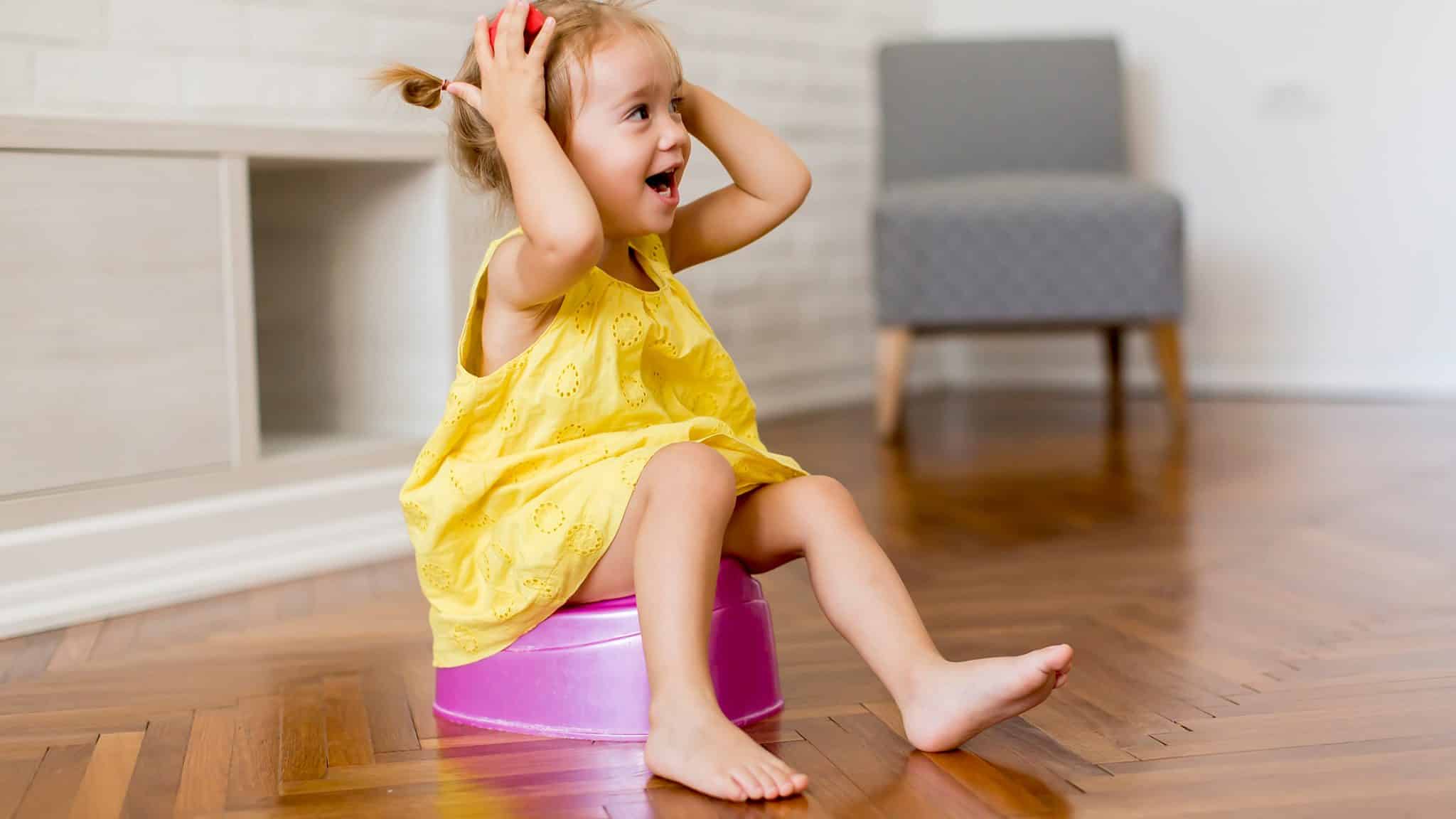
For many parents, potty training feels like one of the biggest milestones of early childhood — and sometimes, one of the most challenging. Between accidents, resistance, and timing worries, it can test even the calmest caregivers. But the truth is, successful potty training isn’t about speed — it’s about readiness, patience, and a positive approach.
At KidsHeart Medical Center, our toilet training and bedwetting support specialists guide parents across Dubai, Abu Dhabi, and Al Ain through gentle, confidence-building strategies that make potty training smoother and stress-free for both children and families.
When Is the Right Time to Start?
There’s no universal age for potty training. Most children are ready sometime between 18 months and 3 years, but the key is to look for signs of readiness rather than age alone.
Your child might be ready when they:
- Stay dry for at least two hours at a time.
- Show interest in the toilet or wearing underwear.
- Can follow simple instructions.
- Express awareness of a wet or dirty diaper.
- Start asking to use the toilet or imitate adults.
In the UAE, many nurseries encourage potty training around age two, but pediatricians advise parents not to rush. Every child develops at their own pace — and patience leads to smoother progress.
Preparing for Success
Before starting, create a positive environment. Introduce the idea gently through books or role play. Let your child observe you or older siblings using the toilet so they understand what it’s for.
Here’s how to set the stage for success:
- Choose the right equipment: A child-sized potty chair or seat reducer makes it less intimidating.
- Pick the right time: Avoid starting during major changes, such as travel, moving homes, or starting school.
- Dress for ease: Loose clothing makes it simpler for your child to manage independently.
- Use encouragement, not pressure: Praise effort, even if the outcome isn’t perfect.
Our early childhood behavioral consultations service helps parents navigate readiness signs, resistance, and emotional reactions — especially when potty training overlaps with other developmental stages.
Step-by-Step: How to Start Gently
- Introduce the potty — Let your child explore it and sit (clothed at first) to get comfortable.
- Create a routine — Encourage potty time after meals or before bedtime.
- Watch for cues — Wiggles, squats, or pauses often signal it’s time to go.
- Celebrate small wins — Stickers, songs, or hugs work better than sweets or bribes.
- Stay calm during accidents — Treat them as learning moments, not setbacks.
- Teach hygiene — Show how to flush, wash hands, and feel proud of using the toilet.
Some children master daytime control quickly but take longer to stay dry at night — that’s perfectly normal. Nighttime dryness may take months or even a year after daytime training.
Common Challenges and How to Handle Them
Potty training can bring bumps along the way, especially for toddlers with strong wills or sensitive temperaments. Here are a few common concerns:
- Refusal to sit: Try a different potty style or offer short “practice sits” with stories or songs.
- Fear of flushing or noise: Let your child leave the bathroom before flushing until they’re comfortable.
- Regression: Illness, travel, or stress can cause temporary setbacks. Respond calmly and restart routines when life settles.
- Constipation: Common in the UAE due to low fiber and hydration. Encourage fruits, vegetables, and water. Our management of pediatric digestive issues service can help if constipation becomes frequent.
The UAE Lifestyle and Toilet Training
Cultural and environmental factors also play a role. In the UAE’s warm climate, children drink more fluids — leading to more frequent bathroom trips. Families with domestic helpers or bilingual households may need to ensure consistent communication and positive reinforcement from all caregivers.
According to pediatric behavioral studies in the region, children trained with calm, supportive approaches achieved full toilet independence several months earlier than those who experienced pressure or punishment. A patient, positive method works best — especially in multicultural families.
When to Talk to Your Pediatrician
It’s important to seek professional advice if:
- Your child shows no interest in toilet training after age three and a half.
- They frequently withhold stool or seem afraid to go.
- There’s persistent pain, constipation, or blood in stool.
- Nighttime wetting continues past age six.
At KidsHeart, we work closely with parents to rule out medical causes, offer behavior-based strategies, and ensure that the process remains supportive and stress-free.
Building Confidence and Independence
Potty training isn’t just about using the toilet — it’s about growing confidence and independence. Children feel proud when they master this skill, and that pride strengthens their self-esteem in other areas, too.
Encourage autonomy by letting your child flush, wash hands, and pick their own underwear. Celebrate progress, not perfection — every small step counts.
Your Calm, Confident Potty Training Partner
Potty training doesn’t have to be messy or stressful. With patience, humor, and the right guidance, it can be a bonding experience that helps your child feel proud and capable.
At KidsHeart Medical Center, our Western-trained pediatricians and child development specialists provide gentle, personalized support for families during this important stage. If you’d like guidance on readiness, techniques, or setbacks, you can easily book an appointment with our pediatric specialists at KidsHeart Medical Center.