
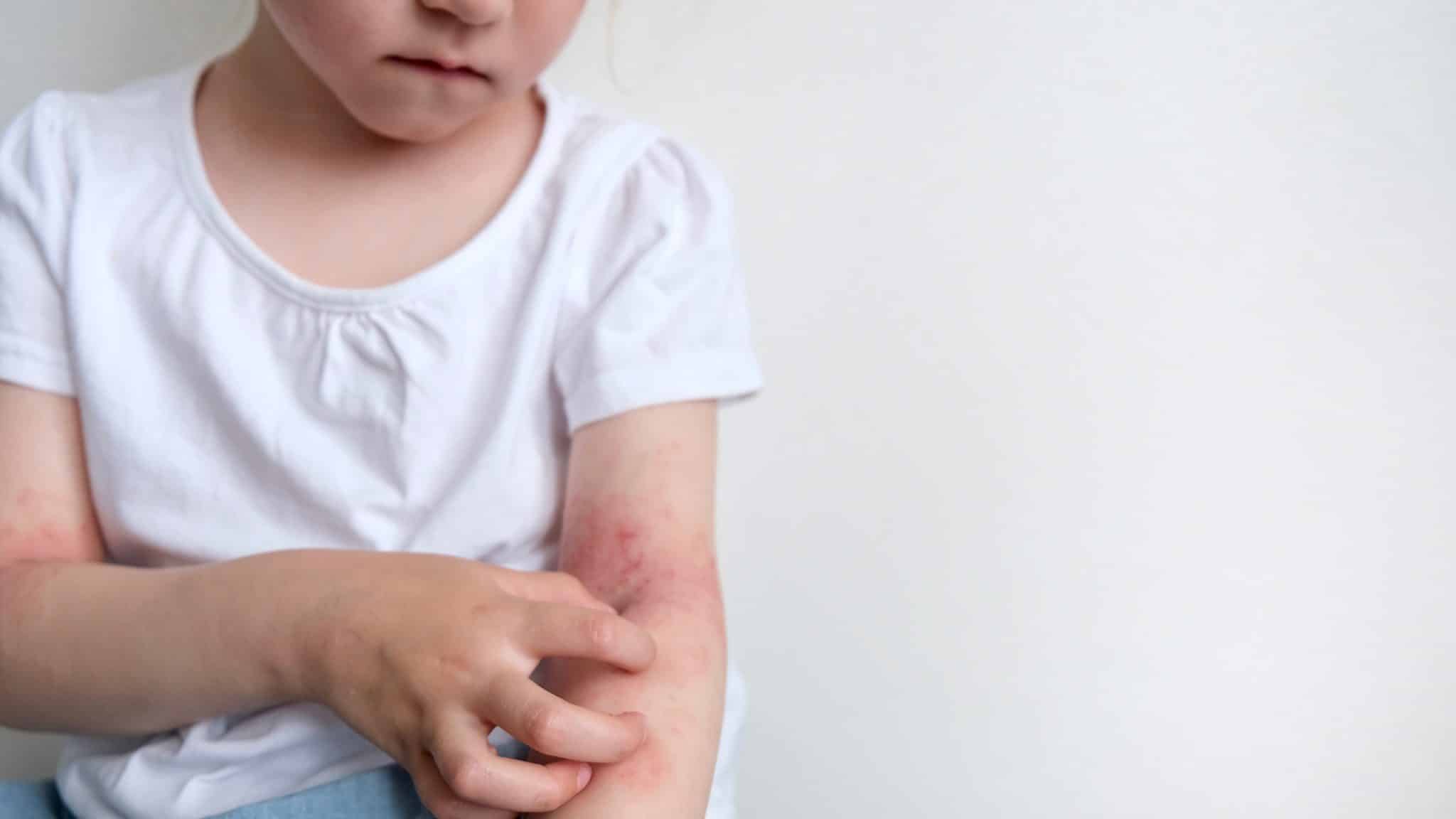
If you’ve ever noticed your child’s skin becoming dry, itchy, or rashy during Dubai’s hot months, you’re not alone. The UAE’s desert climate — with intense sun, dry air, and year-round air conditioning — can make children’s skin more sensitive and prone to irritation.
Healthy skin is more than just appearance; it’s a key part of your child’s immune defense. Understanding common skin conditions and how to manage them safely can help keep your child comfortable, confident, and rash-free.
At KidsHeart Medical Center, our childhood skin conditions specialists help parents across Dubai, Abu Dhabi, and Al Ain identify and treat common pediatric skin problems — while offering practical tips for daily care in the UAE’s climate.
Why Children’s Skin Is More Sensitive
Children’s skin is thinner and loses moisture faster than adult skin. This makes it more vulnerable to dryness, irritation, and infections — especially in environments with air conditioning, chlorinated pools, and strong sunlight. In the UAE, where temperatures can soar and humidity fluctuates, maintaining healthy skin requires consistent care and hydration.
The Most Common Skin Conditions in the UAE
Here are some of the conditions most frequently seen by pediatricians in the region:
- Dry Skin (Xerosis)
Low humidity and constant air conditioning can strip natural oils from the skin. You may notice rough patches, flakiness, or mild itching. Gentle, fragrance-free moisturizers and regular hydration help restore softness. - Eczema (Atopic Dermatitis)
Eczema is one of the most common chronic skin conditions in children. It causes red, itchy patches, often behind the knees, elbows, or on the face. Heat, dust, and certain fabrics can worsen symptoms. Daily moisturizing and avoiding harsh soaps or hot baths are essential. During flare-ups, your pediatrician may recommend mild topical treatments for relief. - Heat Rash (Prickly Heat)
This appears as small, red bumps or blisters, especially on the neck, chest, or back. It’s caused by blocked sweat glands during hot, humid days. Light clothing, cool baths, and keeping your child in air-conditioned environments during peak heat can help. - Fungal Infections
Warm, moist environments like gyms or swimming pools can lead to fungal infections, such as ringworm or athlete’s foot. Look for circular patches or peeling between the toes. These infections are easily treated with prescribed creams, but they spread quickly if left untreated. - Diaper Rash
Even with frequent diaper changes, heat and moisture can cause irritation. Use mild wipes, allow diaper-free time when possible, and apply protective creams regularly. - Hives and Allergic Rashes
Children with sensitive skin may react to certain foods, detergents, or environmental allergens like dust and pollen. Identifying and avoiding triggers is key. Our pediatric asthma and allergy management team can help evaluate if allergies contribute to recurring skin flare-ups.
When to See a Pediatrician
While many rashes and dry patches are mild, certain symptoms should prompt a medical visit:
- Persistent itching or rash lasting more than a week
- Oozing, bleeding, or spreading red patches
- Crusting, swelling, or fever (signs of infection)
- Skin changes accompanied by breathing or swelling reactions
Our treatment for common childhood illnesses service ensures your child receives safe, effective care for both acute and chronic skin issues.
Everyday Care Tips for Healthy Skin
Good skincare starts with daily habits. Simple adjustments can prevent most minor problems:
- Moisturize often: Apply a gentle, fragrance-free cream right after bathing.
- Use mild cleansers: Choose soap-free or baby-formulated products.
- Avoid very hot baths: Lukewarm water preserves the skin’s natural oils.
- Dress in breathable fabrics: Cotton helps prevent sweating and irritation.
- Protect from sun: Use broad-spectrum SPF 30+ sunscreen and hats when outdoors.
- Stay hydrated: Encourage your child to drink water throughout the day.
Keeping a small tube of moisturizer in your bag can help manage dryness on the go — especially during school or travel.
Understanding the UAE Climate’s Impact
The UAE’s dry heat and frequent sandstorms can worsen eczema and other sensitive skin conditions. Air conditioning, while essential for comfort, also depletes indoor humidity. Try using a humidifier at home, especially in your child’s bedroom, to maintain moisture in the air.
According to UAE pediatric dermatology studies, nearly 25–30% of children in the country experience eczema or recurrent rashes, often triggered by dry weather, dust, and indoor air conditioning. Another survey by the Dubai Health Authority (DHA) found that skin allergies and dermatitis account for up to 15% of pediatric clinic visits during the hot summer months. These statistics highlight how common — and manageable — childhood skin conditions are in our region.
Regular check-ups help tailor skincare routines for each child’s unique needs.
Supporting Your Child’s Confidence
Skin conditions can sometimes make children self-conscious, especially if visible on the face or hands. Reassure your child that these conditions are common and treatable. Encourage them to avoid scratching and celebrate small improvements in their skin health.
At KidsHeart, our pediatricians take a gentle, supportive approach — explaining each condition to both parents and children in simple, reassuring terms.
Soft Skin, Strong Health
Healthy skin helps protect your child from infections, irritation, and discomfort — and with the right care, even sensitive skin can thrive in Dubai’s climate. Regular monitoring, hydration, and gentle routines are key to prevention and comfort.
At KidsHeart Medical Center, our Western-trained pediatricians in Dubai, Abu Dhabi, and Al Ain provide expert care for common and complex pediatric skin issues. If your child has persistent rashes, eczema, or dryness, you can easily book an appointment with our pediatric specialists at KidsHeart Medical Center.