
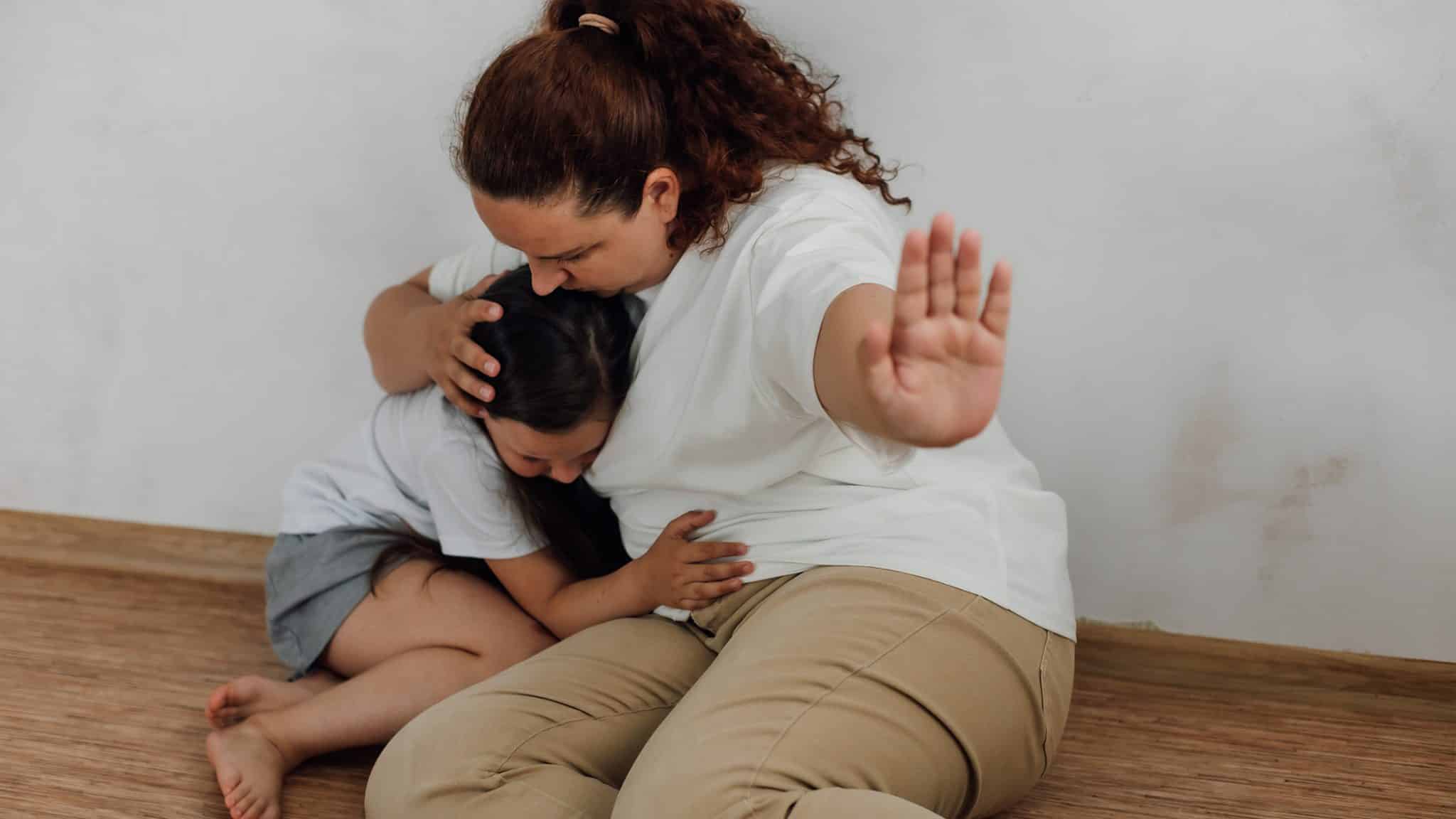
Your child goes from calm to completely overwhelmed in seconds. Tears, shouting, or shutting down seem to come out of nowhere. As a parent, you may find yourself wondering, Why is this so hard for them? or Why can’t they just calm down?
The truth is, many children experience emotions far more intensely than adults do, but they do not yet have the tools to manage them. What looks like a meltdown is often a child’s nervous system asking for help.
Understanding emotional overwhelm can help parents respond with calm, confidence, and compassion instead of frustration.
Why Big Emotions Feel Bigger for Children
Children’s brains are still developing, especially the areas responsible for emotional regulation, impulse control, and coping with stress. Adults have years of experience telling themselves, This will pass. Children do not.
For a child, emotions are immediate and physical. Fear, frustration, excitement, or disappointment can flood the body all at once. Without the ability to slow those feelings down, overwhelm takes over.
Many families supported by KidsHeart in Dubai and Abu Dhabi describe it as emotions “taking over the steering wheel.” Until children learn regulation skills, they are passengers to their feelings.
What Emotional Overwhelm Looks Like
Emotional overwhelm does not look the same in every child. Some children cry loudly. Others become angry, rigid, or withdrawn.
Parents may notice:
- Sudden meltdowns over small triggers
- Difficulty calming down once upset
- Resistance to transitions or changes in routine
- Physical signs like clenching fists, pacing, or covering ears
These responses are not deliberate misbehavior. They are signs that a child’s emotional system is overloaded.
In busy households and school environments, including those common for families in Abu Dhabi, Dubai, and Al Ain, children can accumulate stress throughout the day without realizing it.
Why Meltdowns Are Not Manipulation
One of the most important shifts for parents is understanding that meltdowns are not choices. When a child is overwhelmed, the brain moves into survival mode. Reasoning, listening, and problem-solving temporarily shut down.
This is why saying “calm down” rarely works in the moment.
A meltdown is not a child refusing to behave. It is a child who cannot cope yet. Seeing it this way allows parents to respond with support rather than control.
A Moment Many Parents Will Recognize
A parent once shared that their four-year-old melted down every evening after nursery. At home, small frustrations led to tears and refusal to cooperate.
With support, they realized their child had spent the entire day holding it together socially and emotionally. Home was the only place where it felt safe to release everything.
Once the family adjusted routines and focused on calming strategies rather than correction, the meltdowns gradually shortened and became less intense.
How Parents Can Support Regulation Gently
Helping children manage overwhelm starts with calming the body before addressing behavior.
Supportive strategies include:
- Staying calm and regulating your own voice and body
- Acknowledging the feeling: “This feels really big right now”
- Offering predictable comfort, such as sitting nearby or holding hands
- Allowing time and space for emotions to settle
After calm returns, children are more able to learn, reflect, and practice coping skills.
Families working with KidsHeart often find that consistency and emotional safety are key to reducing meltdowns over time.
Building Emotional Regulation Skills Over Time
Emotional regulation is a skill, not a personality trait. Children learn it gradually through repeated experiences of being supported during big feelings.
With guidance, children can learn to:
- Recognize early signs of overwhelm
- Use simple calming strategies like breathing or movement
- Ask for help before emotions overflow
- Recover more quickly after emotional moments
These skills take time, practice, and patience, especially for children who feel things deeply.
When Professional Support Can Help
Some children need additional support to develop emotional regulation, particularly if meltdowns are frequent, intense, or affecting daily life.
Pediatric psychology can help children understand their emotions and learn coping strategies in a developmentally appropriate way. At KidsHeart, our Western-trained pediatric psychology specialists support families through our Pediatric Psychology services, working closely with both children and parents.
Children may benefit from focused emotional regulation support, help addressing misplaced anger and emotional dysregulation, or expressive approaches such as play therapy and art therapy, which allow emotions to be explored safely without pressure.
Did You Know?
Children who are supported through emotional overwhelm early are more likely to develop resilience, confidence, and healthy coping skills later in life. Emotional regulation is closely linked to academic success, peer relationships, and overall wellbeing.
Across the UAE, growing awareness of children’s mental health has helped families and schools understand that teaching emotional skills is just as important as teaching behavior or discipline.
Helping Small Bodies Carry Big Feelings
Big emotions in small bodies are not a problem to fix. They are a signal that a child is still learning how to cope with a complex emotional world.
With patience, understanding, and the right support, children can learn to manage overwhelm without meltdowns and feel more in control of their emotions. If you are a parent in Dubai, Abu Dhabi, or Al Ain and feel concerned about your child’s emotional reactions or frequent overwhelm, the pediatric psychology team at KidsHeart is here to help. Our specialists work closely with families to build emotional regulation skills gently and respectfully. You can reach out to KidsHeart and book an appointment to take a supportive step toward helping your child feel calmer, safer, and emotionally stronger.