
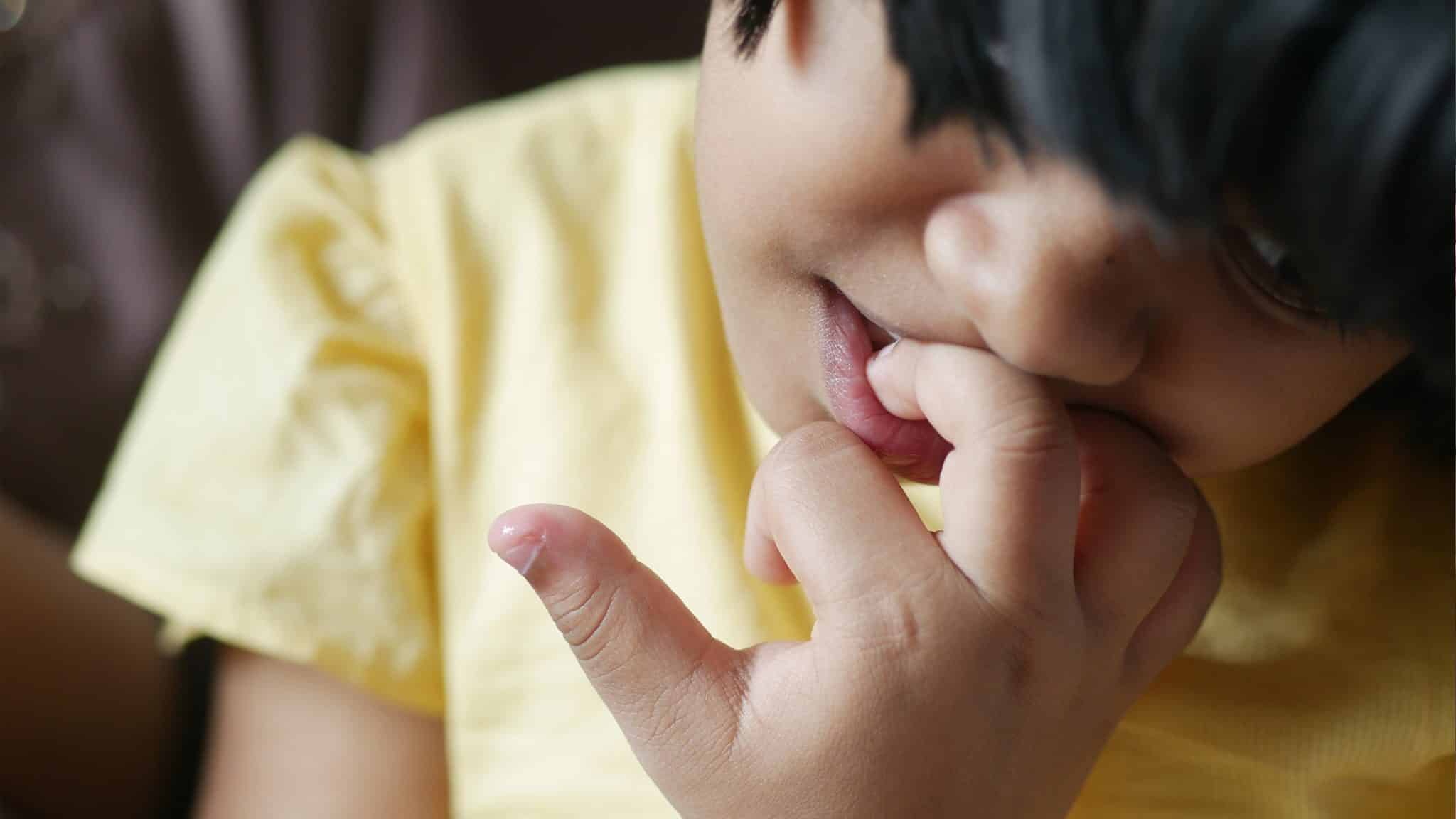
Most parents notice it first during quiet moments — a child watching TV, reading, or feeling anxious before school, their fingers unconsciously at their mouth. You ask them to stop, and they try… for a few minutes. Then it happens again. Nail biting might seem like a harmless habit, something a child will “grow out of,” but sometimes, it’s a window into how your child’s mind manages stress, tension, or unspoken feelings.
At KidsHeart, our pediatric psychology specialists often meet families frustrated by repeated nail biting, skin picking, or hair twirling. What begins as a small behavior can gradually affect a child’s confidence or even their social comfort. Understanding what drives these habits helps parents replace frustration with empathy — and guide their child toward calm and self-awareness.
Why Do Children Bite Their Nails?
Nail biting, or onychophagia, is one of the most common “body-focused repetitive behaviors” in children. It can start as a way to cope with boredom, anxiety, or overthinking, and may become automatic over time — something the child doesn’t even realize they’re doing.
Psychologically, these habits often serve as a soothing mechanism. The repetitive action gives the brain a sense of release, much like tapping a pencil or doodling during stress. But when the habit becomes frequent or uncontrollable, it can be a sign that the child is finding it difficult to express or regulate emotions in healthier ways.
Some children bite their nails:
- During transitions — like starting a new school or moving to a new city.
- When they’re overwhelmed by academic or social expectations.
- To self-soothe when they feel anxious, lonely, or bored.
- As part of other challenges, such as anxiety and phobias, impulse control difficulties, or emotional regulation issues.
It’s important to remember: nail biting isn’t defiance. It’s communication — the body’s quiet way of saying, “I need comfort.”
A Moment Parents Often Miss
Consider this scenario: Amal, a mother in Dubai, noticed her 8-year-old son, Rayan, biting his nails during homework time. She gently reminded him to stop, but the habit persisted. Eventually, she learned from his teacher that Rayan had been feeling pressure to “finish first” in class and was worried about making mistakes. Once she understood his stress, Amal’s response changed from “Stop biting!” to “I can see you’re worried — let’s take a break together.”
Within weeks of combining reassurance with small calming exercises, Rayan’s nail biting started to fade. The key wasn’t discipline — it was understanding.
Did You Know?
Studies in the UAE have shown that many children develop stress-related habits during high academic years, especially in multicultural school environments. With varied teaching styles and social pressures, children often internalize anxiety in ways adults might overlook. Local schools are increasingly aware of this and have started offering mindfulness, counseling, and emotional wellbeing programs as part of their wellness initiatives.
At KidsHeart, our pediatric psychology team works closely with these efforts, offering school collaboration and reports to ensure that a child’s emotional needs are understood in both the home and classroom settings.
When Nail Biting Becomes a Concern
Occasional nail biting is common and not always a cause for worry. But when it becomes persistent or causes visible distress, it’s worth exploring what lies beneath. Warning signs include:
- Bleeding or painful nail beds from frequent biting.
- Feelings of shame or hiding hands.
- Nail biting that worsens with stress or emotional upset.
- Co-occurring behaviors like skin picking, hair pulling, or compulsive touching.
These patterns may indicate heightened anxiety or difficulty managing emotions — something that can be gently addressed with early, supportive care.
How Pediatric Psychologists Can Help
When families visit KidsHeart for help with nail biting or similar behaviors, our goal isn’t to make the habit stop immediately. Instead, we focus on understanding what purpose it serves for the child.
Our pediatric psychology specialists in Dubai, Abu Dhabi, and Al Ain are Western-trained and experienced in working with children who express stress through physical habits. Therapy may include:
- Cognitive-behavioral techniques to help children notice when and why they bite their nails.
- Relaxation and mindfulness exercises that replace the habit with healthy coping strategies.
- Play therapy and art therapy to help younger children express emotions they can’t yet verbalize.
- Parental counselling sessions to teach gentle, supportive approaches that encourage awareness rather than punishment.
Children learn to listen to their own feelings, recognize triggers, and build calm responses — turning nail biting from a hidden struggle into an opportunity for emotional growth.
How Families Can Help at Home
Supporting a child with nail biting starts with empathy and consistency. Here are some gentle strategies that work:
- Notice patterns. Observe when your child tends to bite their nails — is it during homework, boredom, or when tired? Understanding the trigger is key.
- Offer alternatives. Keep a soft stress ball or fidget toy nearby to redirect energy.
- Use calm reminders. Instead of “Stop biting your nails!” try “Are your fingers feeling busy again?” This helps the child reflect rather than feel scolded.
- Encourage self-awareness. Ask how their body feels before biting — anxious, tired, restless? This builds emotional vocabulary.
- Model calm. Children often mirror their parents’ stress responses. Simple breathing exercises done together can make a big difference.
- Celebrate small wins. Progress might be gradual. Each week of fewer bites is worth gentle praise.
Remember, nail biting is rarely just about nails — it’s a reflection of a child’s inner world learning to find balance.
A Parent’s Reflection
One father in Abu Dhabi shared how his daughter’s nail biting worsened whenever exams approached. “I used to get angry,” he said, “but I realized she wasn’t doing it to annoy me — she was trying to handle pressure.” With guidance from our team, he learned to offer calm reassurance and short study breaks. His daughter’s anxiety — and her nail biting — slowly faded. “She still worries sometimes,” he smiled, “but now she talks to me instead of biting.”
Did You Know?
The UAE’s National Strategy for Wellbeing 2031 has prioritized mental and emotional health in schools and families, encouraging early intervention for stress-related behaviors in children. This growing awareness reflects a nationwide effort to destigmatize therapy and promote open family communication — values we deeply share at KidsHeart.
Helping Hands, Calmer Minds
Nail biting may seem small, but it often carries big emotions underneath. With understanding, structure, and support, children can learn to soothe themselves in healthier ways.
If you’re in Dubai, Abu Dhabi, or Al Ain and have noticed your child struggling with nail biting, anxiety, or other stress-related habits, our pediatric psychology specialists at KidsHeart can help. Through gentle, evidence-based care, we work alongside families to build self-awareness, resilience, and emotional balance. Learn more or reach out today at KidsHeart Pediatric Psychology.