Cardio-Neuro Management

Cardio-Neuro Management

Integrated Care for Patients with Stroke, TIA (Mini-Stroke), or Syncope (Fainting)
Cardio-Neuro Management​ Adult Cardiology Dubai Al Ain Abu Dhabi

At KidsHeart Medical Center, we provide focused, coordinated care for adults dealing with conditions at the intersection of heart and brain health.
Our Cardio-Neuro Management service supports individuals who have experienced stroke, transient ischemic attack (TIA), or unexplained fainting (syncope).

These conditions often involve overlapping cardiac and neurological causes and require expert evaluation from both perspectives to ensure lasting stability and prevent recurrence.
This multidisciplinary service is part of our Adult Cardiology Program and is available across Dubai, Abu Dhabi, and Al Ain.

Cardio-Neuro Management​ Adult Cardiology Dubai Al Ain Abu Dhabi
Your Heart and Brain Are More Connected Than Most People Realize Adult Cardiology KidsHeart Dubai Abu Dhabi Al Ain

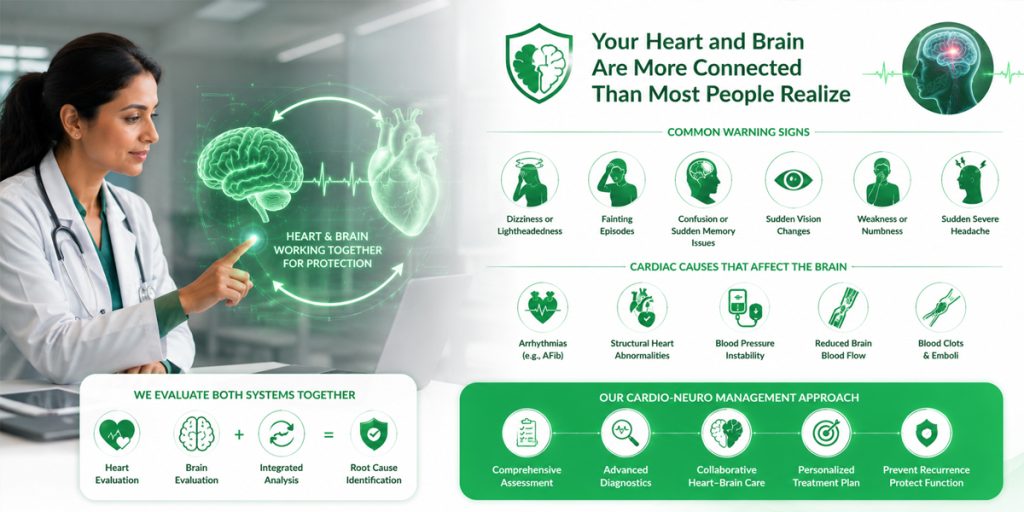
Your Heart and Brain Are More Connected Than Most People Realize

Many strokes, mini-strokes, and fainting episodes have cardiac causes — arrhythmias, structural abnormalities, or blood pressure instability that affects brain blood flow. Our Cardio-Neuro Management service evaluates both systems together to find the root cause and prevent recurrence.

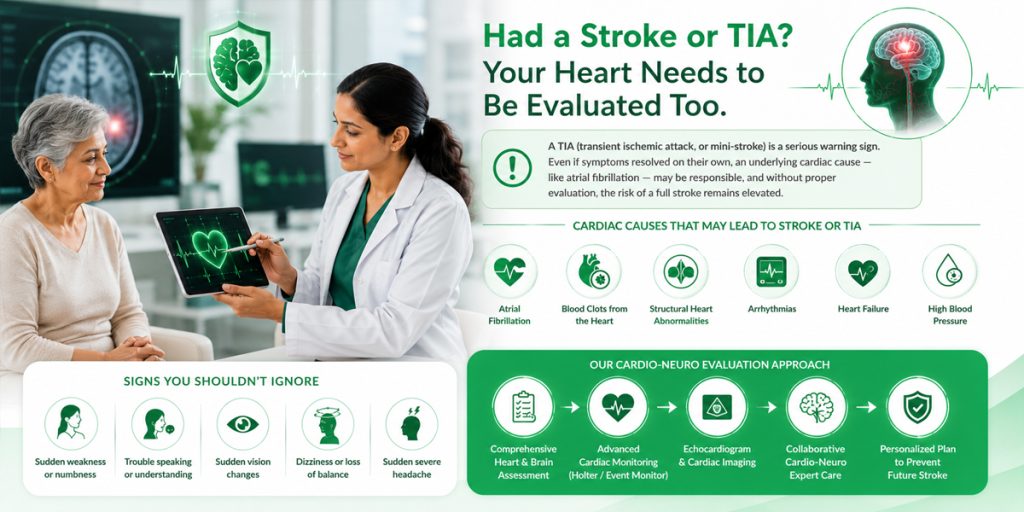
Had a Stroke or TIA? Your Heart Needs to Be Evaluated Too

A TIA (transient ischemic attack, or mini-stroke) is a serious warning sign. Even if symptoms resolved on their own, an underlying cardiac cause — like atrial fibrillation — may be responsible, and without proper evaluation, the risk of a full stroke remains elevated.

Had a Stroke or TIA Your Heart Needs to Be Evaluated Too Adult Cardiology KidsHeart Dubai Abu Dhabi Al Ain
Unexplained Fainting It Could Be More Than Anxiety or Dehydration Adult Cardiology KidsHeart Dubai Abu Dhabi Al Ain

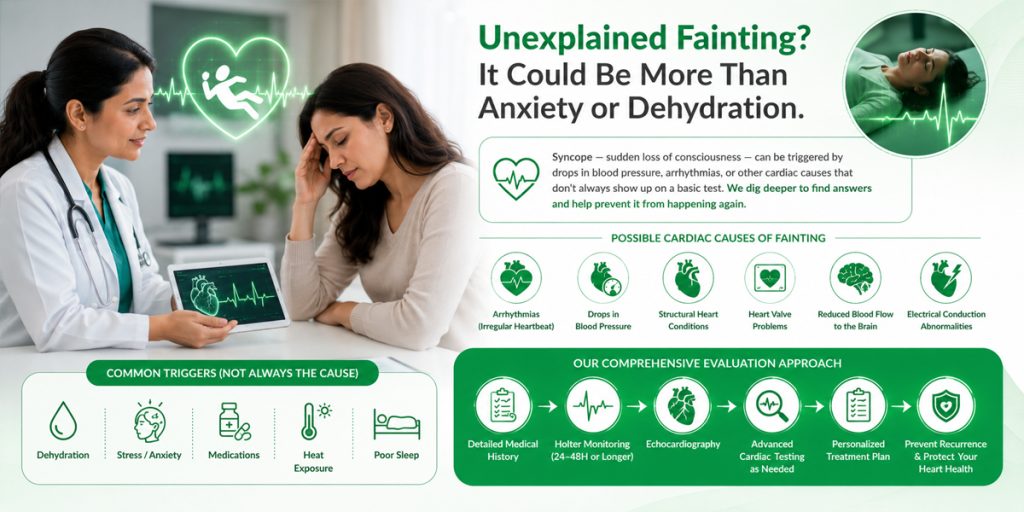
Unexplained Fainting? It Could Be More Than Anxiety or Dehydration.

Syncope — sudden loss of consciousness — can be triggered by drops in blood pressure, arrhythmias, or other cardiac causes that don’t always show up on a basic test. We use Holter monitoring, echocardiography, and detailed history-taking to get a complete picture.

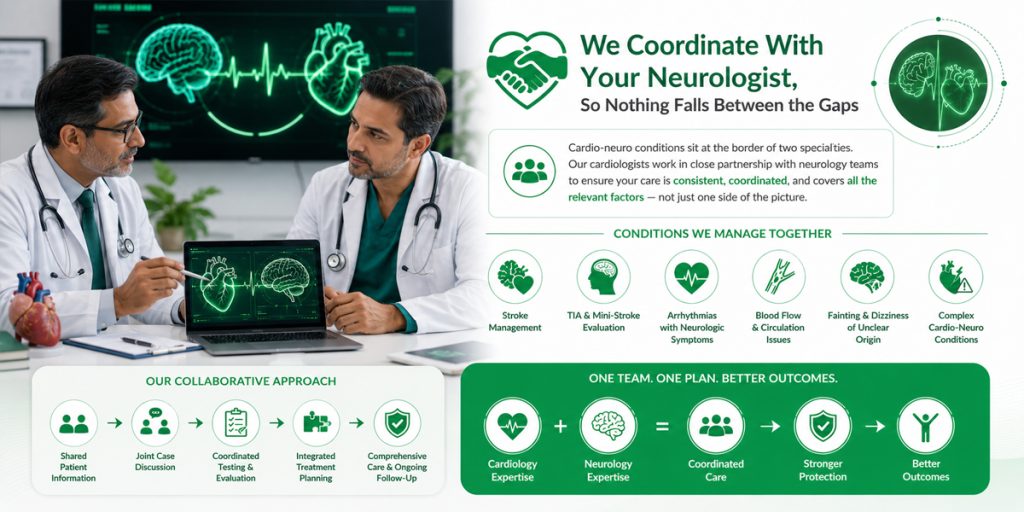
We Coordinate With Your Neurologist, So Nothing Falls Between the Gaps

Cardio-neuro conditions sit at the border of two specialties. Our cardiologists work in close partnership with neurology teams to ensure your care is consistent, coordinated, and covers all the relevant factors — not just one side of the picture.

Adult Cardiology services KidsHeart Dubai Abu Dhabi Al Ain

Cardio-Neuro Care Available Across Dubai, Abu Dhabi, and Al Ain

KidsHeart’s cardio-neuro management service is available at all UAE locations, with access to advanced rhythm monitoring, echocardiography, and specialist referral pathways — all coordinated by your adult cardiologist.

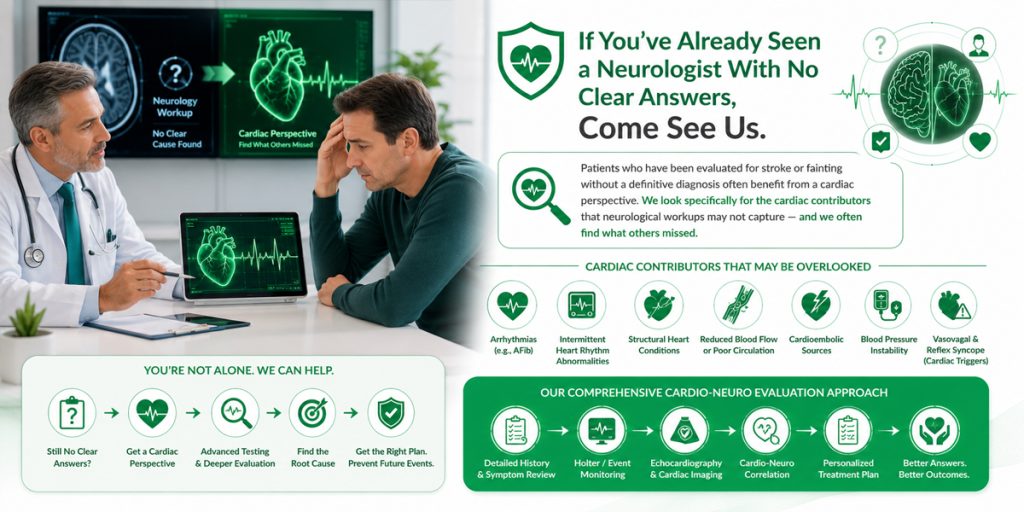
If You've Already Seen a Neurologist With No Clear Answers, Come See Us.

Patients who have been evaluated for stroke or fainting without a definitive diagnosis often benefit from a cardiac perspective. We look specifically for the cardiac contributors that neurological workups may not capture — and we often find what others missed.

If You've Already Seen a Neurologist With No Clear Answers, Come See Us. Adult Cardiology KidsHeart Dubai Abu Dhabi Al Ain

Why Cardio-Neuro Collaboration Matters

The brain and heart are closely connected. When one is under strain, the other can quickly follow.

Cardiac conditions such as arrhythmias, blood pressure instability, or structural heart disease are common contributors to:

  • Ischemic strokes (caused by clots traveling from the heart to the brain)
  • TIAs (mini-strokes) — temporary blockages that signal future stroke risk
  • Syncope — sudden, brief loss of consciousness due to drop in blood flow

At KidsHeart, we approach these conditions holistically, working to uncover their root cause — not just treat the symptoms.

When to Seek Cardio-Neuro Evaluation

You should consider a Cardio-Neuro assessment if you:

  • Have experienced a stroke or TIA, even if symptoms have resolved
  • Had an episode of fainting or unexplained collapse
  • Experience frequent dizziness, lightheadedness, or visual blackouts
  • Are known to have atrial fibrillation, a major stroke risk factor
  • Have structural heart abnormalities that could cause emboli (clots)
  • Live with uncontrolled blood pressure or blood-thinning needs
  • Want a second opinion on syncope or neurological symptoms with no clear cause

Even if you’ve already seen a neurologist or emergency physician, we help ensure no cardiac contributor is missed.

What to Expect From Our Care

We tailor your evaluation and treatment across both cardiac and neurological dimensions. Your care may include:

  • Detailed cardiac history, including palpitations, blood pressure swings, or chest discomfort
  • Neurological history, including visual changes, speech slurring, or motor symptoms
  • ECG and Holter monitoring to detect arrhythmias
  • Echocardiography to assess heart structure and clot risk
  • Carotid Doppler studies to evaluate blood flow to the brain
  • MRI/CT imaging (if not already done) to assess prior strokes or abnormalities
  • Blood thinning or rhythm control planning where needed

We coordinate care with your neurologist or primary care team to keep treatment seamless and consistent.

Why Choose KidsHeart?

  • Adult Cardiologists experienced in stroke-linked cardiac disorders
  • Collaborative care that bridges cardiology and neurology
  • Advanced rhythm and imaging studies are available in-house
  • Support for risk factor control — hypertension, cholesterol, diabetes
  • Close follow-up to prevent recurrence or further events
  • Care offered in Dubai, Abu Dhabi, and Al Ain for easy access

We don’t just ask “was it cardiac or neuro?” — we answer both together.

One Heart. One Brain. One Integrated Plan.

At KidsHeart, we treat stroke, TIA, and syncope with coordinated insight — so your heart and brain are protected together.

Frequently Asked Questions (FAQs)

Yes. Atrial fibrillation and certain structural heart defects increase stroke risk by forming clots that travel to the brain.

TIAs are temporary blockages with full recovery — but they are a warning sign for future, permanent strokes.

Neurocardiogenic (vasovagal) syncope or blood pressure drops can still cause fainting. We assess all possible causes.

Not always. We assess your ongoing risk and adjust treatment based on detailed findings.

Yes. We often provide post-discharge clarity and build a long-term prevention plan.