Post-Heart Attack Rehabilitation Plans

Post-Heart Attack Rehabilitation Plans

Structured Follow-Up to Restore Heart Strength, Stamina, and Confidence After Recovery
Post-Heart Attack Rehabilitation Plans Adult Cardiology Dubai Al Ain Abu Dhabi

At KidsHeart Medical Center, we understand that the journey doesn’t end when you leave the hospital after a heart attack — in many ways, it’s just beginning.
Our Post-Heart Attack Rehabilitation service is designed to help adults recover physically, emotionally, and medically after a cardiac event.

Through structured monitoring, exercise guidance, medication review, and lifestyle planning, we help rebuild heart strength and reduce the chance of recurrence.
This essential follow-up care is part of our Adult Cardiology Program, offered in Dubai, Abu Dhabi, and Al Ain.

Post-Heart Attack Rehabilitation Plans Adult Cardiology Dubai Al Ain Abu Dhabi
Post-Heart Attack Rehabilitation Plans There Adult Cardiology KidsHeart Dubai Abu Dhabi Al Ain

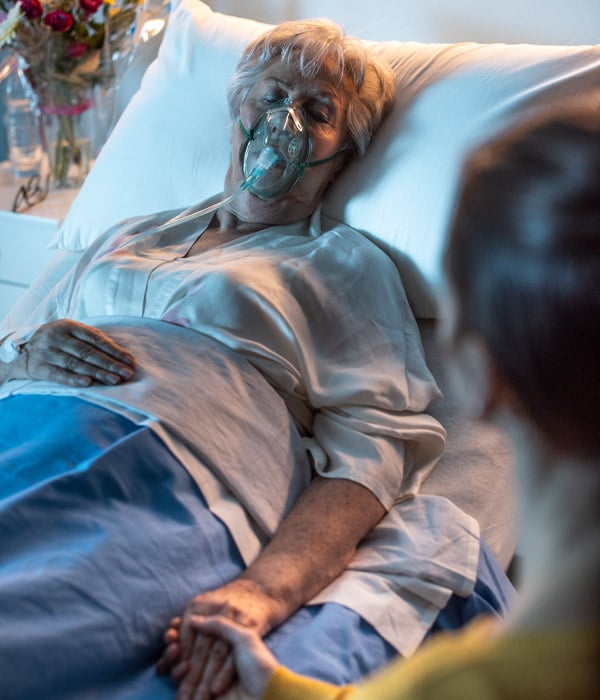
Leaving the Hospital After a Heart Attack Is Just the Beginning

The weeks and months that follow a heart attack are when recovery really happens — and when the risk of another event is highest. Our structured rehabilitation program is designed to help you rebuild your strength, reduce your risk, and reclaim your confidence.

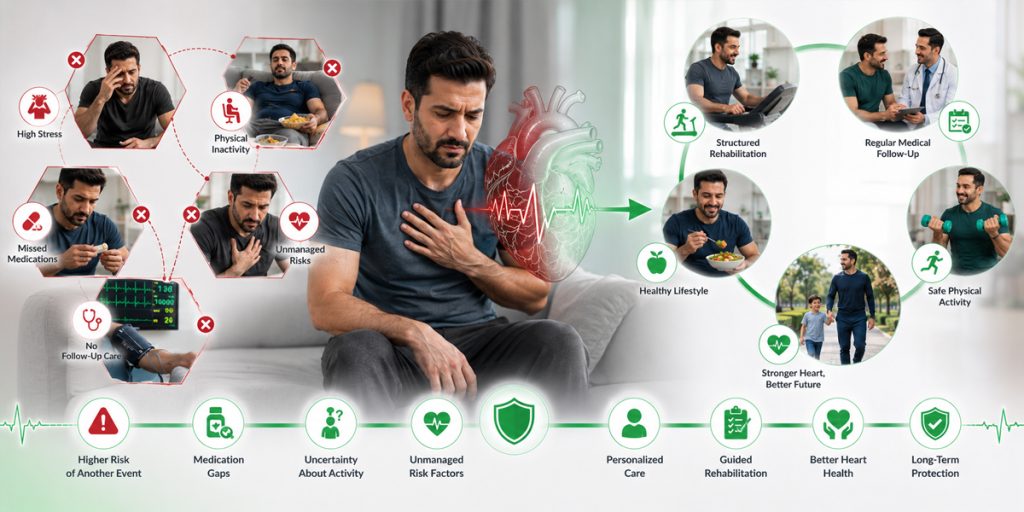
What Happens If You Don't Follow Up After a Heart Attack?

Without structured follow-up, many patients miss key medication adjustments, remain uncertain about safe activity levels, and carry unmanaged risks that increase the chance of a second event. Structured rehab closes all these gaps — systematically and compassionately.

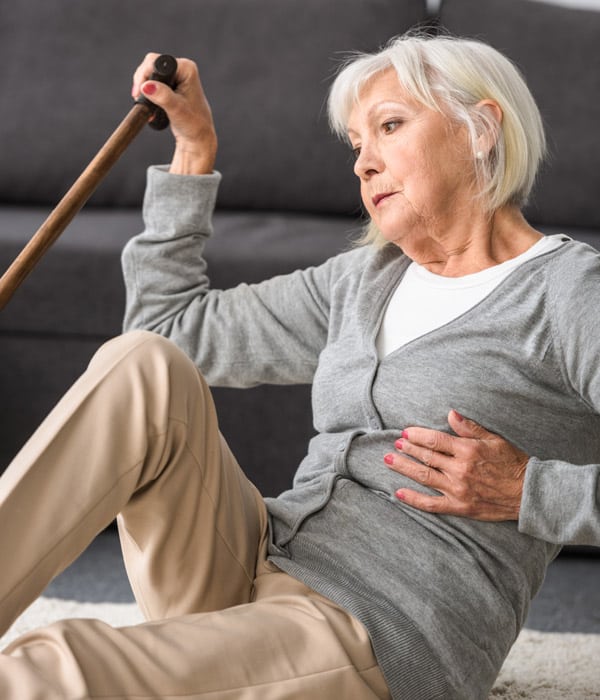
It's Normal to Feel Anxious About Moving Again, We Help With That Too Adult Cardiology KidsHeart Dubai Abu Dhabi Al Ain

It's Normal to Feel Anxious About Moving Again, We Help With That Too

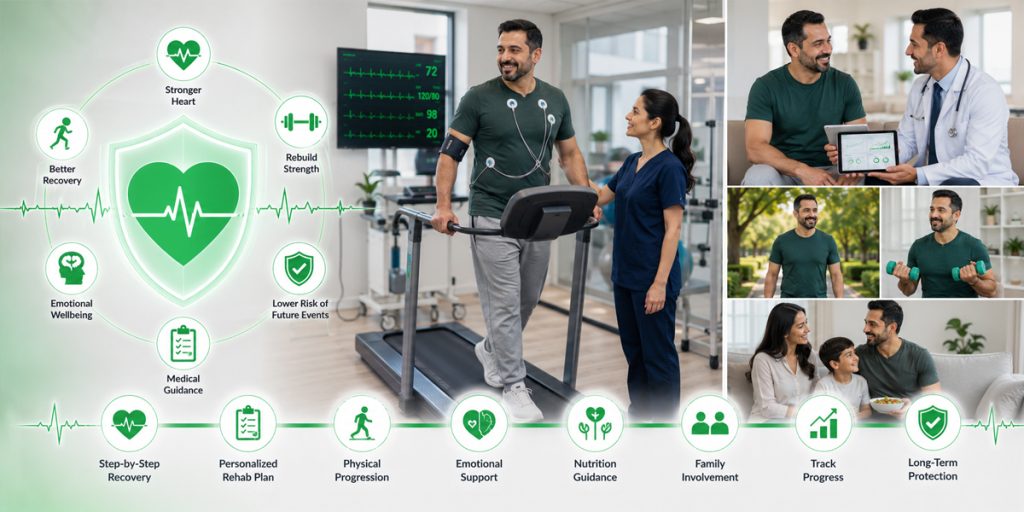
Fear of overexerting your recovering heart is one of the biggest barriers to recovery. Our program builds activity gradually and safely, with cardiologist supervision and stress testing to establish exactly what your heart can handle at each stage.

Medication, Nutrition, Stress, and Lifestyle, All Part of Recovery

Cardiac rehab isn’t just about walking on a treadmill. It’s a holistic plan that covers medication adherence and side effect management, heart-healthy eating, blood pressure and cholesterol control, emotional wellbeing, and smoking cessation — everything that shapes your long-term outcomes.

Medication, Nutrition, Stress, and Lifestyle, All Part of Recovery Adult Cardiology KidsHeart Dubai Abu Dhabi Al Ain
Adult Cardiology services KidsHeart Dubai Abu Dhabi Al Ain

Rehabilitation Support Available Across Dubai, Abu Dhabi, and Al Ain

KidsHeart’s post-heart attack rehabilitation service spans all UAE locations, with cardiologist-led follow-ups coordinated alongside dietitians, physiotherapists, and mental health support where needed. Your recovery is managed as one connected plan.

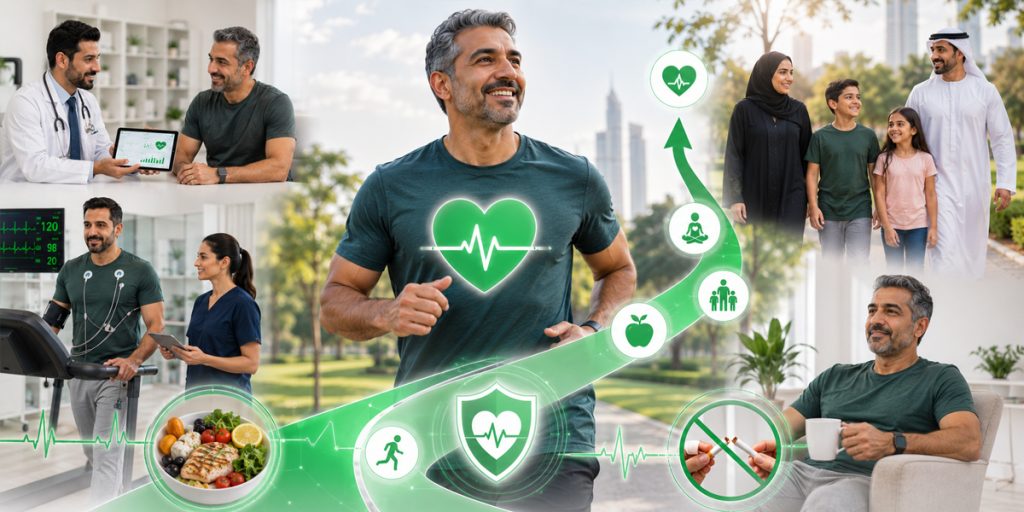
Your Recovery Is a Milestone, Not a Limitation

A heart attack doesn’t have to define the rest of your health. With the right rehabilitation program, many patients go on to live healthier, more active lives than they did before. That’s the goal — and we’re here to help you reach it.

Your Recovery Is a Milestone, Not a Limitation Adult Cardiology KidsHeart Dubai Abu Dhabi Al Ain

Why Rehabilitation Matters After a Heart Attack

Surviving a heart attack is a critical milestone — but recovery requires more than just rest. Without a plan, many patients experience:

  • Persistent fatigue or breathlessness
  • Anxiety about physical activity
  • Missed medication adjustments or side effect checks
  • Incomplete blood pressure or cholesterol control
  • High risk of a second event within the first year

Cardiac rehabilitation turns that uncertainty into a roadmap — helping you regain strength safely and confidently.

Who Needs Cardiac Rehab?

Post-heart attack rehabilitation is recommended for anyone who has recently:

  • Had a heart attack (myocardial infarction)
  • Undergone coronary angioplasty or stent placement
  • Had coronary artery bypass graft (CABG) surgery
  • Been diagnosed with heart failure after a cardiac event
  • Left hospital with new medications for heart disease

Even if your symptoms seem mild or you’re feeling better quickly, structured rehab reduces long-term risk and improves quality of life.

What to Expect From Our Program

Your personalized recovery plan will typically span the first 3–6 months after discharge and may include:

  • Baseline evaluation including blood pressure, ECG, and symptom review
  • Medication follow-up, including adherence and side effect checks
  • Nutritional counseling for heart-healthy, sustainable eating habits
  • Supervised physical activity plan, often starting with light walking or stationary cycling
  • Stress management strategies to address anxiety, fear, or depression
  • Cholesterol and diabetes control, with blood tests and adjustments as needed
  • Smoking cessation support if applicable

Each phase of care builds toward independence and strength — physically and emotionally.

Why Choose KidsHeart?

  • Adult Cardiologists with deep expertise in post-MI recovery
  • Safe, gradual return-to-activity plans based on stress testing and ECG
  • Integrated care for hypertension, diabetes, and lipid control
  • Collaboration with dietitians, physiotherapists, and mental health specialists
  • Follow-up locations in Dubai, Abu Dhabi, and Al Ain — for ease and consistency
  • Clear communication — so you and your family always know what’s next

We help you move forward, not just heal.

Recovery Isn’t Just Survival — It’s Renewal

At KidsHeart, we help you rebuild after a heart attack — with structure, support, and a clear path forward.

Frequently Asked Questions (FAQs)

Usually within 1–2 weeks of discharge. We tailor the start based on your stability and procedure history.

Yes. Many cardiac risks are silent. Rehab helps identify issues early and keeps recovery on track.

Not necessarily. Some visits focus on medical review, lifestyle coaching, or emotional health. Activity builds gradually.

Yes — often with some adjustment. We help set realistic goals and timelines for your return.

It typically runs for 8–12 weeks, with sessions 1–2 times per week. Some patients benefit from longer support.