Early Intervention ABA for Toddlers
Specialized Programs Targeting Critical Developmental Stages for Young Children
At KidsHeart Medical Center Abu Dhabi, we provide early intervention ABA therapy specifically designed for toddlers because the first years of life are crucial for shaping communication, learning, and social-emotional development.
Our programs focus on building foundational skills through structured play, evidence-based teaching procedures, and family involvement. With a focus on developmental readiness and individual needs, we help toddlers engage meaningfully with their world and build a solid base for lifelong learning. Learn more about our behavioral therapy programs here.
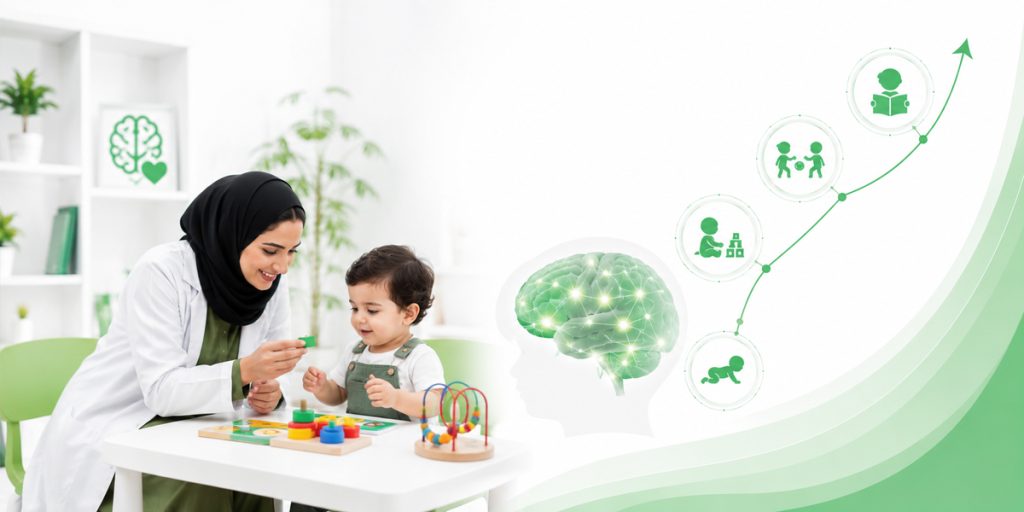
The Earlier Support Begins, the More the Brain Can Do With It
In the first three years of life, the brain is building the connections it will rely on for communication, learning, and social interaction for decades. ABA therapy delivered during this window doesn’t just treat a deficit – it works with a brain that is still in active, rapid development, which is why outcomes for toddlers tend to outpace outcomes for children who start later.
You Don't Need a Diagnosis to Start
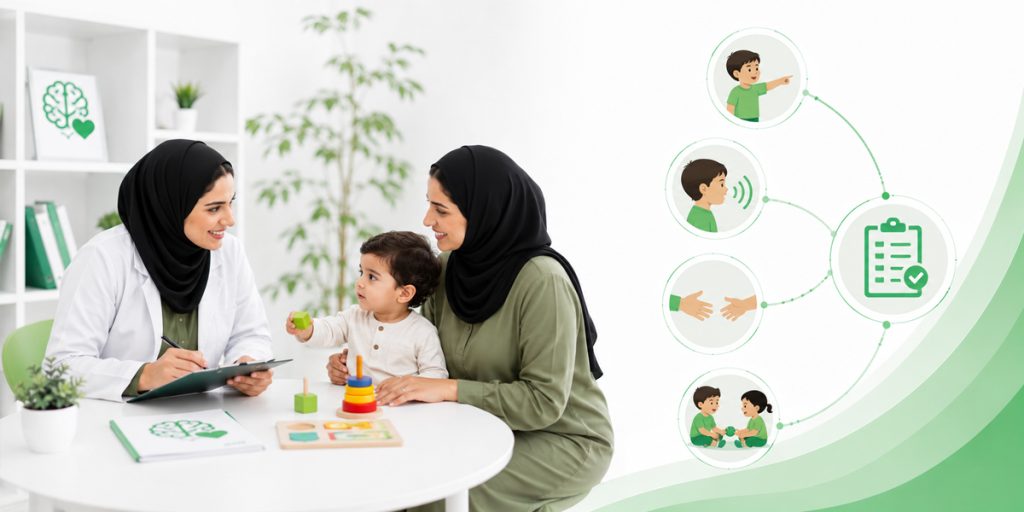
Many families wait for a confirmed diagnosis before seeking therapy, not realizing that support can begin the moment a developmental concern is noticed. If your toddler isn’t yet pointing, responding to their name, using gestures, or engaging in simple back-and-forth play – those observations alone are enough to begin an assessment.
Therapy That Looks Like Play - Because It Is
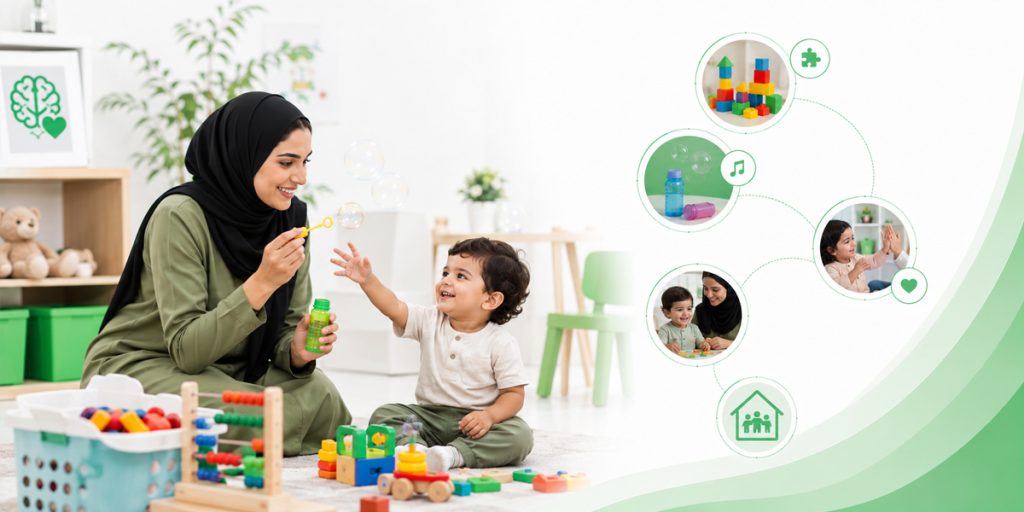
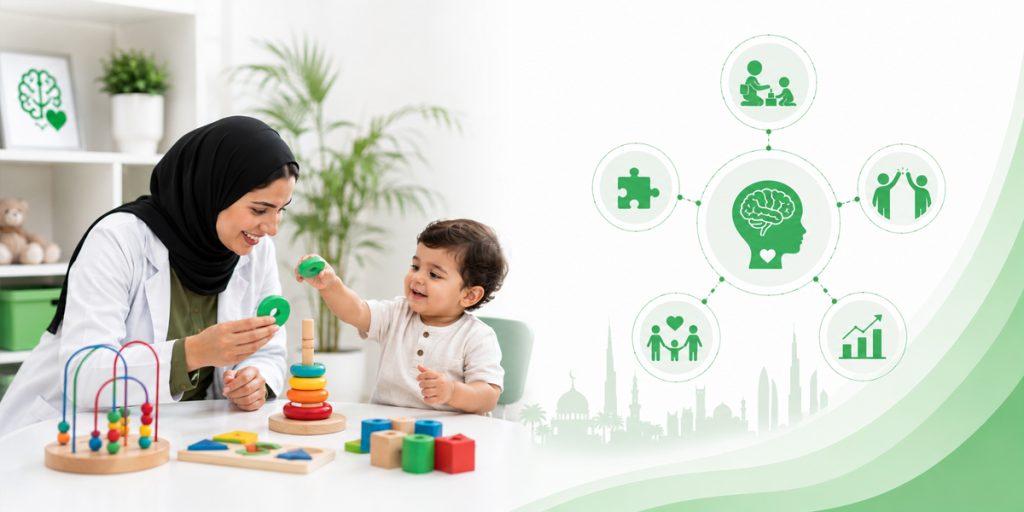
Early intervention ABA for toddlers doesn’t look like structured drills at a table. Sessions use natural environment teaching – following the child’s interest and pace, embedding skill-building into blocks, bubbles, songs, and everyday routines. The science is rigorous; the experience should feel warm and unhurried.
Foundational Skills That Everything Else Builds On
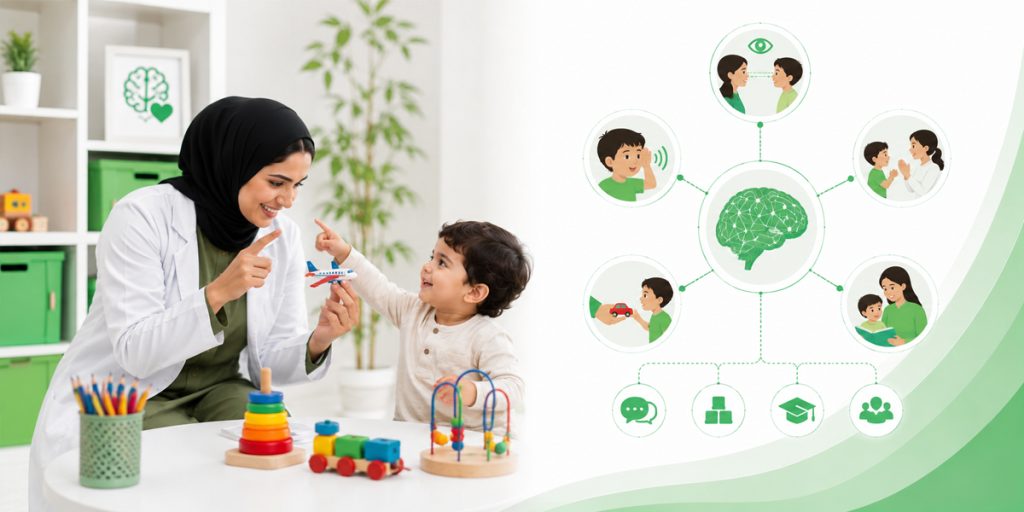
Joint attention – the ability to share focus on something with another person – is one of the earliest and most important social-communication skills. Imitation, responding to one’s name, simple requesting: these aren’t just developmental milestones. They’re the building blocks of language, learning, and relationships that a child’s entire future development rests on.
Parents Are the Most Consistent Part of Early Intervention
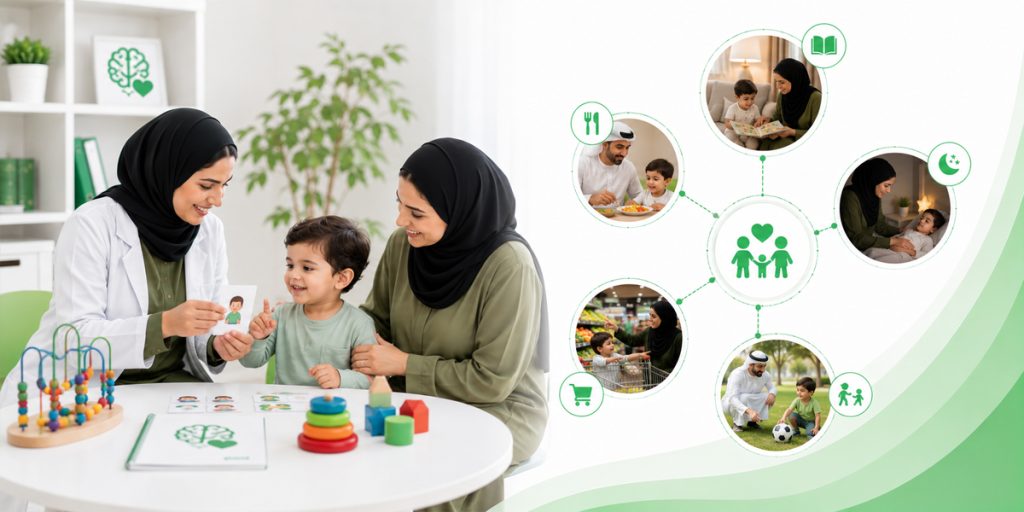
A therapist sees your child for a few hours a week. You see them every day, across every meal, bedtime, and outing. Our parent training ensures that the strategies and teaching moments from sessions extend into the hundreds of hours of daily life that therapy doesn’t cover.
Early ABA for Toddlers in Abu Dhabi
KidsHeart’s early intervention ABA program is designed specifically for children from 18 months onward at our Abu Dhabi locations. A diagnosis is not required to begin – only a concern and the willingness to act on it early.
What Is Early Intervention ABA?
Applied Behavior Analysis (ABA) for toddlers applies behavioral science to support children typically between 18 months and 3 years old. It emphasizes:
- Structured and naturalistic teaching during play and routines
- Visual support and consistent daily structure
- Differential reinforcement of desired behaviors
- Systematic reduction of interfering behaviors using proactive strategies
- Parent training and generalization into home and daily life
Targeted skill domains often include communication, imitation, social interaction, joint attention, self-help, and behavioral regulation.
Importance of Early Intervention
Early intervention is supported by decades of research showing that initiating therapy during early developmental windows leads to better long-term outcomes.
Children may benefit if they:
- Do not use gestures like pointing or waving or fail to use words by 18–24 months
- Show limited social play or engagement with others
- Avoid eye contact or not responding to their name
- Have frequent tantrums or difficulty adjusting to routine changes
- Exhibit repetitive behaviors or intense focus on specific objects
- Were flagged during pediatric developmental screening
A diagnosis is not required to start early ABA. All that’s needed is concern and motivation to support your child’s growth as early as possible.
What to Expect in Our Program
- Initial Family Consultation
We gather concerns and observations and discuss developmental milestones. - Comprehensive Assessment
We assess communication, play, imitation, social skills, and behavior using age-appropriate ABA tools. - Individualized Program Development (IEP)
We create a personalized plan with clear, measurable goals across developmental domains. - One-on-One ABA Sessions
Sessions use natural environment teaching, discrete trial training, and play-based learning, several times a week. - Caregiver Training
We teach families how to support learning during home routines (e.g., meals, bath, bedtime, outings). - Ongoing Data Collection and Review
We track progress continuously and adjust goals as your child grows.
Why Choose KidsHeart?
- Highly trained ABA therapists specializing in early childhood
- Family-centered model supporting caregiver participation
- Structured, play-based interventions grounded in science
- A supportive, sensory-considerate environment for toddlers
- Expertise in both diagnosed and at-risk children
We’re not just shaping behavior, we’re laying the foundation for learning, communication, and independence.

Start Early. Grow Strong.
At KidsHeart Abu Dhabi, we help toddlers take their first steps in learning, communication, and social connection — with warmth, structure, and evidence-based care.
Frequently Asked Questions (FAQs)
No. Many children begin ABA based on developmental concerns alone.
It varies. A common range is 10–20 hours/week depending on goals and family preferences.
Not at all. It’s based on play, reinforcement, and natural routines, adjusted to your child’s pace.
Parents are essential. We equip you with tools and strategies to continue learning outside of sessions.
Yes. The earlier a child receives support, the better their chances for catching up in developmental areas.