
You set a clear boundary, follow through with discipline, and hope it will help your child learn. Instead, the reaction is bigger tears, louder protests, or complete shutdown. Many parents quietly wonder if they’re being too soft — or not firm enough. For families navigating emotional sensitivity, this confusion is common. If you’re in Dubai, […]

All posts by Dr. Deiaaeldin Adel Hosny
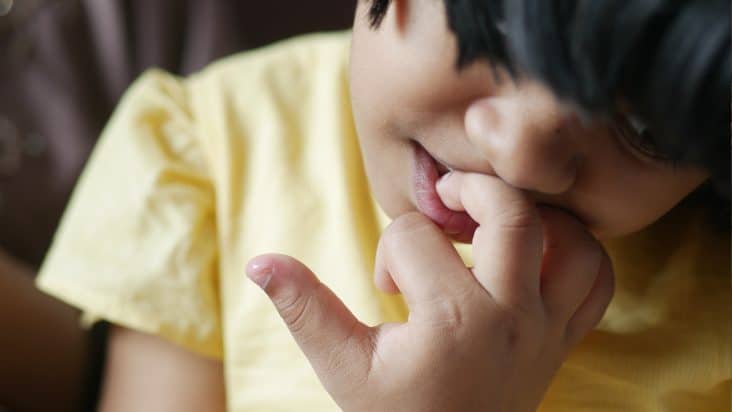
Why Nail Biting Isn’t Just a Habit — Understanding Emotional Triggers in Children
Most parents notice it first during quiet moments — a child watching TV, reading, or feeling anxious before school, their fingers unconsciously at their mouth. You ask them to stop, and they try… for a few minutes. Then it happens again. Nail biting might seem like a harmless habit, something a child will “grow out […]

When Rules Become a Battle: Understanding Oppositional Defiant Disorder (ODD)
Every parent has faced moments of frustration — a child shouting “no,” refusing to follow instructions, or slamming doors in anger. It’s normal for children to test limits as they grow. But for some families, these clashes become daily battles that leave everyone exhausted and confused. At KidsHeart, our pediatric psychology specialists often meet parents […]

Understanding Emotional Shutdown: When Children Go Silent Instead of Acting Out
Some children don’t cry, shout, or slam doors when they’re overwhelmed. Instead, they go quiet. They retreat to their room, avoid eye contact, answer in shrugs, or say “I don’t know” to everything. From the outside, it can look like calm or indifference — but inside, something very different may be happening. For many parents, […]

Understanding Eating Disorders in Children and Teens
It often starts subtly — a child skipping breakfast before school, pushing food around their plate at dinner, or making comments like, “I feel fat.” For many parents, these moments spark quiet concern mixed with confusion. “Is this just a phase?” they wonder. But when food, weight, or body image begin to dominate a child’s […]

Understanding Big Emotions in Children and How to Respond Calmly
Your child goes from calm to completely overwhelmed in seconds. Tears, shouting, or shutting down seem to come out of nowhere. As a parent, you may find yourself wondering, Why is this so hard for them? or Why can’t they just calm down? The truth is, many children experience emotions far more intensely than adults […]

The ‘Good Child’ Who Never Complains: Hidden Anxiety in Quiet Kids
They follow rules. They do well in school. Teachers describe them as “no trouble at all.” At home, they rarely complain, rarely argue, and often put others first. On the surface, everything seems fine. Yet many parents carry a quiet worry: Why does my child seem tense, tired, or overly hard on themselves? For some […]

Obsessive-Compulsive Disorder in Children and Adolescents: Helping the Mind Find Calm
When 10-year-old Zain started washing his hands before meals, his parents were pleased — he was careful and responsible. But soon, handwashing became constant. He’d scrub for 10 minutes, worried that “invisible germs” would make him sick. His parents noticed he was missing out on playtime, spending hours checking and repeating rituals. They didn’t realize […]

Impulse Control in Children: Helping Young Minds Learn to Pause
It happens in seconds — your child shouts out in class, grabs a toy from a sibling, or blurts something hurtful before thinking. You correct them, they apologize sincerely, and minutes later, it happens again. Many parents describe these moments as “constant testing,” but often, what’s really happening is a child struggling with impulse control […]

Healing from Trauma: Understanding PTSD in Children and Adolescents
When something frightening or overwhelming happens, adults often struggle to process it — but for children, the world can feel as if it has suddenly stopped making sense. A loud accident, hospital stay, bullying incident, or even witnessing a loved one’s distress can leave emotional marks that linger long after the event is over. At […]