


Acute Depression in Children and Teens:

Acute Depression in Children and Teens:

Comprehensive Evaluation and Individualized Therapy
Acute Depression in Children and Teens Child & Adolescent Psychiatry Anger Management KidsHeart Abu Dhabi Alain

Persistent sadness, low energy, or loss of interest in life aren’t just “mood swings” — they may be signs of acute depression. At KidsHeart Medical Center, we provide thoughtful, clear support for children and adolescents facing depression.

Through detailed evaluation and individualized therapy, we help young people find their footing again. Learn more about our Child & Adolescent Psychiatry Services here.

Acute Depression in Children and Teens Child & Adolescent Psychiatry Anger Management KidsHeart Abu Dhabi Alain

What Is Acute Depression in Children?

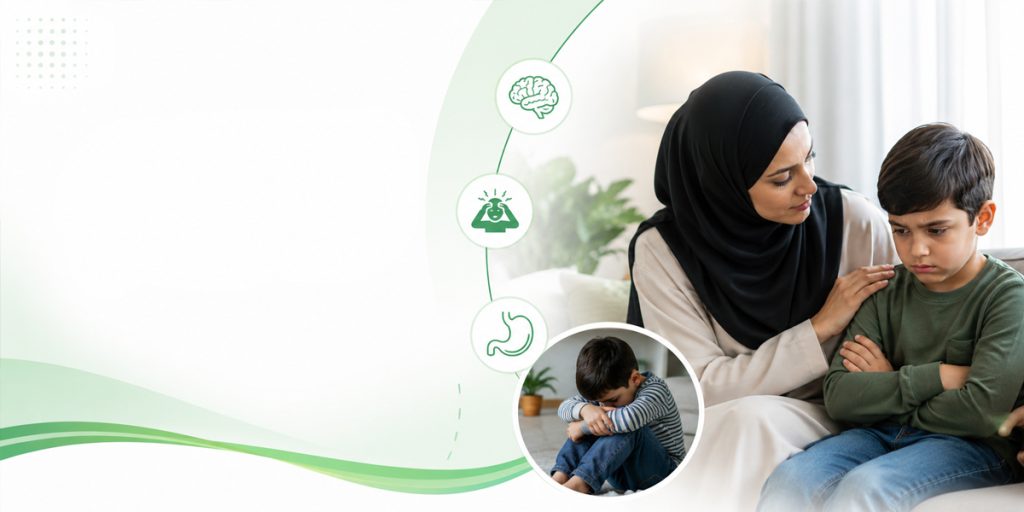
Acute depression is a period of intense, disruptive sadness or emptiness that interferes with daily life. It may last weeks or months and often appears suddenly — triggered by stress, loss, trauma, or internal changes in mood regulation.

Signs can include:

  • Constant sadness or irritability
  • Loss of interest in activities once enjoyed
  • Changes in sleep or appetite
  • Low energy or fatigue
  • Trouble concentrating
  • Withdrawal from friends or family
  • Expressing hopelessness or self-blame

Children and teens may not say “I’m depressed” — they might say “I’m bored,” “I hate school,” or simply seem to stop caring.

When to Seek Help

An evaluation is recommended if your child:

  • Appears sad or withdrawn most days for two weeks or more
  • Avoids social interaction or isolates at home
  • Has major changes in appetite, weight, or sleep habits
  • Seems irritable, angry, or unusually sensitive
  • Struggles to concentrate, enjoy hobbies, or get through daily routines
  • Talks about feeling worthless, hopeless, or tired of trying

Early support reduces the risk of long-term mental health struggles and school disruption.

How We Support Depression at KidsHeart

We approach depression with care, not pressure. Our evaluation and therapy process includes:

  • Parent-Child Interviews: We gather emotional, social, and academic history from both perspectives.
  • Standardized Mood Assessments: Tools help clarify the presence and severity of depression.
  • Rule-Out Screening: We check for co-occurring anxiety, trauma, or learning difficulties.
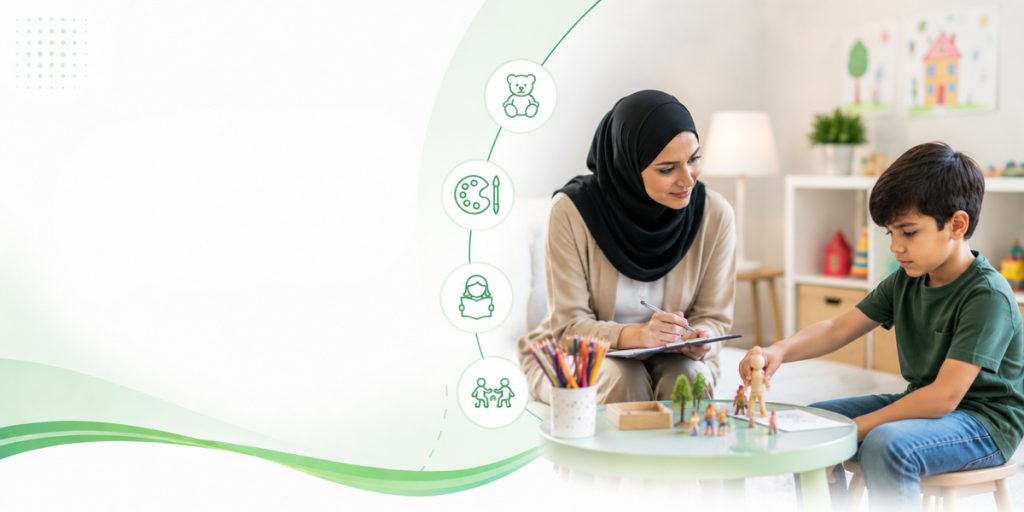
  • Individual Therapy: Age-appropriate cognitive-behavioral therapy (CBT), play therapy, or talk-based sessions support mood regulation.
  • Behavioral Activation: We help reintroduce positive activities and motivation, even in small steps.
  • Parent Support Plans: Practical strategies for home life, communication, and understanding mood cues.
  • School Coordination: If needed, we support accommodations or stress reduction at school.

The focus is not just on improving symptoms — but restoring self-worth, curiosity, and daily function.

Why Choose KidsHeart for Depression Care?

  • Child psychologists experienced in pediatric depression
  • Empathetic, step-by-step care that avoids overwhelm
  • Blended therapy tools for different ages and personalities
  • Coordination with family, teachers, and health professionals
  • Support available in Abu Dhabi, Dubai, and Al Ain

We help children move from surviving to engaging — at their own pace, with clear emotional scaffolding.


Guiding Children Back Toward Joy, One Step at a Time

If your child seems weighed down by sadness or disengagement, early support can make all the difference.
Book a child psychiatry consultation in Abu Dhabi, Dubai, or Al Ain today.

Frequently Asked Questions (FAQs)

Sadness comes and goes. Depression stays for weeks and affects sleep, energy, school, and relationships.

Yes. Some children show irritability, defiance, or emotional shutdown instead of crying or sadness.

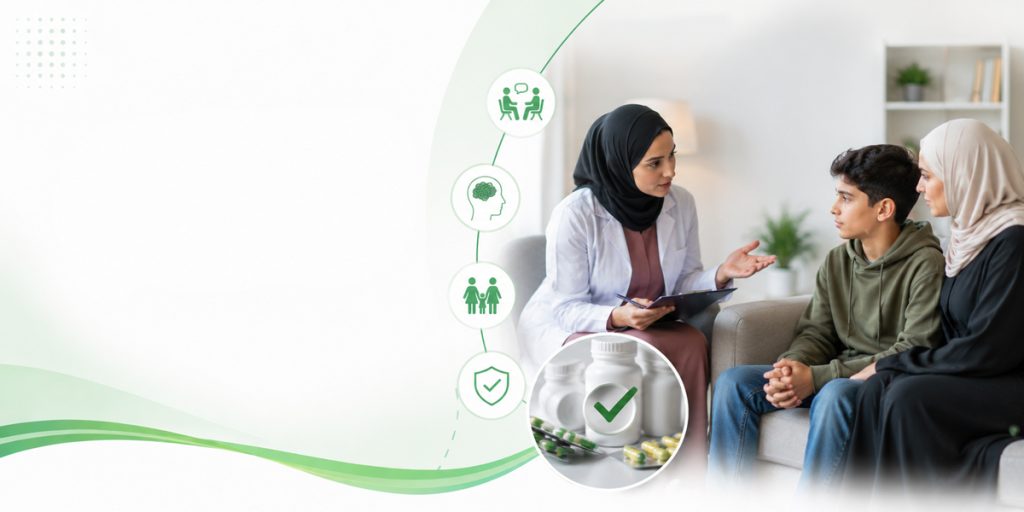
Therapy is usually the first step. Medication may be considered if symptoms are severe or therapy alone isn’t enough.

We use creative methods — drawing, storytelling, or games — to help children express emotions in ways that feel safe.

Yes. We support emotional accommodations and help reduce academic pressure when needed.