
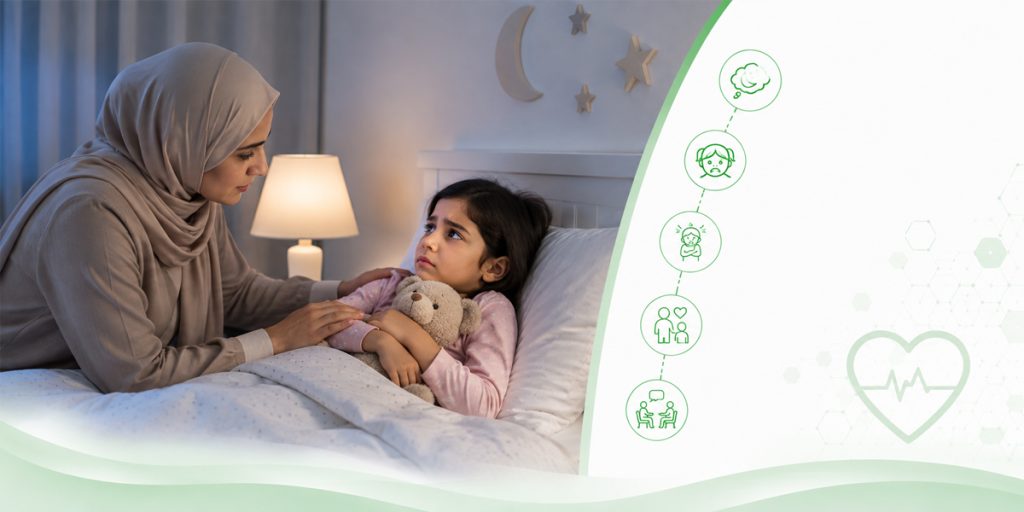




Sleep Disorders with Psychiatric Components

Sleep Disorders with Psychiatric Components

Addressing Sleep Challenges Linked to Mental Health Conditions
Sleep Disorders with Psychiatric Components Child & Adolescent Psychiatry Anger Management KidsHeart Abu Dhabi Alain

Sleep difficulties are common in children and adolescents, especially when linked to anxiety, depression, ADHD, or other emotional concerns. At KidsHeart Medical Center, our child psychiatry team helps young patients understand and manage the emotional and biological factors that affect healthy sleep.

By restoring balanced rest, we support emotional stability, focus, and overall well-being. Learn more about our Child & Adolescent Psychiatry Services here.

Sleep Disorders with Psychiatric Components Child & Adolescent Psychiatry Anger Management KidsHeart Abu Dhabi Alain

Understanding Sleep Disorders in Childhood and Adolescence

Sleep issues can appear in many forms — from trouble falling asleep to frequent awakenings or restless nights. For children, poor sleep often goes hand in hand with mental health conditions, affecting mood, learning, and behavior.

Common patterns include:

  • Difficulty falling or staying asleep
  • Nightmares or night terrors
  • Restlessness or sleepwalking
  • Early waking and fatigue during the day
  • Dependence on parents or screens to fall asleep
  • Mood swings, irritability, or poor attention due to lack of rest

Recognizing and addressing sleep issues early can improve emotional regulation, concentration, and family harmony.

When to Seek Help

Sleep-focused evaluation may be needed if your child:

  • Takes more than 30–45 minutes to fall asleep most nights
  • Experiences recurring nightmares or intense anxiety before bed
  • Shows daytime sleepiness or low concentration in school
  • Becomes moody, withdrawn, or hyperactive due to fatigue
  • Has sleep disturbances alongside mental health symptoms (anxiety, depression, ADHD)

Professional support helps identify whether the issue is behavioral, emotional, or physiological — and provides a plan for relief.

How KidsHeart Helps With Sleep and Emotional Regulation

Our psychiatrists and psychologists address both the mental and physical contributors to poor sleep.

  • Comprehensive Sleep and Emotional Assessment: Reviewing habits, routines, and related emotional patterns.
  • Behavioral Sleep Therapy: Teaching children bedtime routines, relaxation strategies, and positive associations with sleep.
  • Emotional Regulation Support: Helping children manage nighttime worries, stress, or overthinking.
  • Parent Coaching: Guiding families to create calm, predictable bedtime environments.
  • Medication (if needed): Used cautiously for children with persistent or severe insomnia linked to mental health conditions.
  • School Coordination: Advising teachers about attention or fatigue concerns related to sleep disruption.

Every care plan is individualized — because every child’s sleep story is different.

Why Families Choose KidsHeart

  • Specialists in pediatric and adolescent psychiatry with sleep expertise
  • Integrated approach linking emotional, behavioral, and biological care
  • Practical sleep strategies tailored for families
  • Coordination between psychiatrists, psychologists, and pediatricians
  • Services available in Abu Dhabi, Dubai, and Al Ain

We don’t just help children sleep better — we help them wake up ready to live better.


Better Sleep, Brighter Days

Healthy sleep is one of the strongest foundations for emotional well-being.
Book a child psychiatry consultation in Abu Dhabi, Dubai, or Al Ain today.

Frequently Asked Questions (FAQs)

Yes. Anxiety, mood changes, and hyperactivity can all disrupt healthy sleep cycles.

Sleep training focuses on routines, while therapy explores emotional causes of disrupted sleep.

No. Most children improve through behavioral and emotional strategies alone.

Improvements often appear within a few weeks once consistency and emotional stability are restored.

Absolutely. Poor sleep and emotional distress often reinforce each other — which is why treating both is key.