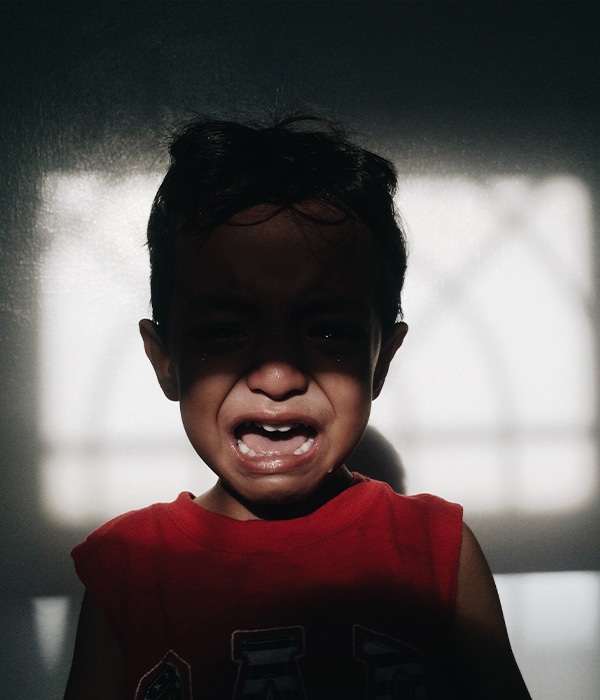







Trauma-Informed Psychiatry

Trauma-Informed Psychiatry

Helping Young Individuals Process Trauma and Build Resilience
Trauma-Informed Psychiatry Child & Adolescent Psychiatry Anger Management KidsHeart Abu Dhabi Alain

Experiencing trauma can deeply affect how a child thinks, feels, and interacts with the world. At KidsHeart Medical Center, we provide trauma-informed psychiatric care that focuses on safety, understanding, and recovery.

Our approach helps children process painful experiences, rebuild trust, and strengthen emotional resilience. Learn more about our Child & Adolescent Psychiatry Services here.

Trauma-Informed Psychiatry Child & Adolescent Psychiatry Anger Management KidsHeart Abu Dhabi Alain

What Is Trauma-Informed Psychiatry?

Trauma-informed psychiatry recognizes that difficult or frightening experiences — such as accidents, loss, abuse, or medical emergencies — can influence a child’s emotional and physical development. Rather than focusing only on symptoms, we focus on what happened and how the child experienced it.

Common signs of trauma include:

  • Nightmares, flashbacks, or difficulty sleeping
  • Intense fear, guilt, or anger
  • Sudden mood swings or withdrawal
  • Physical complaints (stomachaches, headaches) without clear cause
  • Avoidance of reminders or places linked to the event
  • Hypervigilance — being “on edge” or easily startled

Understanding trauma helps reduce shame and restore a sense of safety.

When to Seek Help

A trauma evaluation may help if your child:

  • Has been through a frightening or life-changing event
  • Shows ongoing emotional distress weeks after the incident
  • Struggles with trust or becomes unusually fearful
  • Displays aggression, self-blame, or self-isolation
  • Experiences regression — returning to earlier behaviors (bedwetting, clinging, etc.)

Early intervention supports recovery and helps prevent long-term anxiety or depression.

How KidsHeart Provides Trauma-Informed Care

Our trauma approach emphasizes patience, compassion, and consistency.

  • Comprehensive Assessment: Identifying emotional, behavioral, and physical signs of trauma.
  • Safety and Stabilization: Creating a safe space for the child to feel secure before exploring experiences.
  • Therapeutic Processing: Using talk therapy, play therapy, and cognitive techniques to help children express feelings safely.
  • Parental Involvement: Teaching caregivers how to support healing without re-triggering distress.
  • School Collaboration: Working with educators to ensure understanding and minimize academic stress.
  • Medication Support (if needed): Used carefully to address sleep, mood, or anxiety issues.

Our goal is to help children move from fear and confusion to confidence and calm.

Why Families Trust KidsHeart

  • Specialists trained in trauma and child psychiatry
  • Gentle, age-appropriate therapeutic approaches
  • Focus on rebuilding emotional safety and family connection
  • Collaboration with schools and therapists for continuity of care
  • Services available in Abu Dhabi, Dubai, and Al Ain

Because healing begins when children feel safe enough to be heard.


From Fear to Strength

With the right care, children can move past trauma and regain trust in themselves and others.
Book a trauma consultation in Abu Dhabi, Dubai, or Al Ain today.

Frequently Asked Questions (FAQs)

Anything that overwhelms a child’s sense of safety — from accidents to bullying or witnessing conflict.

Yes. Trauma can cause concentration issues, emotional reactivity, and social withdrawal.

It depends on the child’s readiness and the severity of the experience — healing is gradual but steady.

Often yes. Parents learn how to comfort, listen, and create safety at home.

Only when they’re ready. Our approach respects pace and emotional boundaries.