The drink is bright orange and startlingly sweet, closer to melted candy than juice. It has to be finished within five minutes.
Then comes the wait. One hour, sitting in the clinic, not allowed to eat or drink anything else, waiting for a nurse to call her back for the blood draw.
Most pregnant women go through this exact routine somewhere around 26 or 27 weeks without fully understanding what it’s actually checking for, beyond a vague sense that it has something to do with sugar. KidsHeart’s medical disorders care team, part of Obstetrics & Maternal-Fetal Medicine in Abu Dhabi and Dubai, runs this test on nearly every pregnant patient for a reason grounded in real, well-established risk.
What Blood Sugar Has to Do With Pregnancy at All
Pregnancy hormones, particularly those made by the placenta in the second half of pregnancy, work against insulin’s normal job. Insulin is what moves sugar out of the bloodstream and into cells for energy.
As those placental hormones build up, most women’s bodies compensate by producing more insulin. Some bodies can’t keep up with the added demand. When that happens, blood sugar stays elevated instead of moving where it should, and that’s gestational diabetes.
Why Nearly Every Pregnant Woman Gets Tested
Gestational diabetes rarely causes symptoms a woman would notice on her own. No fatigue that stands out from ordinary pregnancy tiredness. No obvious thirst beyond what pregnancy already brings.
That’s exactly why the test is universal rather than reserved for women who report a problem. According to Cleveland Clinic, gestational diabetes affects up to 10 percent of pregnant women, a large enough share that screening everyone catches far more cases than screening only those with obvious risk factors would.
The standard timing, between 24 and 28 weeks, isn’t arbitrary. It’s the window when placental hormone production has typically risen enough to reveal whether a woman’s insulin production can keep pace. Some women get tested earlier than that, based on factors already visible at the first prenatal visit:
- Gestational diabetes in a previous pregnancy
- A prior baby weighing more than 4 kilograms at birth
- A body mass index in the obese range before pregnancy
- A family history of type 2 diabetes
- Polycystic ovary syndrome (PCOS)
- Age over 35 at the start of pregnancy
None of these guarantee a diagnosis. They simply move the first test earlier, sometimes into the first trimester, so a genuine problem isn’t missed by waiting for the standard 24 to 28 week window.
Reading a Positive Result Without Panicking
A result outside the normal range on the first test isn’t a diagnosis. It’s a flag.
Most clinics use a two-step approach: an initial one-hour screening, followed by a longer three-hour glucose tolerance test only if the first one comes back elevated. That second test involves fasting overnight, then multiple blood draws over several hours, and it’s the one that actually confirms or rules out gestational diabetes.
A lot of women who need the follow-up test end up with a normal result on the second round. The first test is designed to be sensitive rather than perfectly precise, which means it flags more women than actually have the condition, on purpose.
What Happens After a Gestational Diabetes Diagnosis
A confirmed diagnosis changes the rest of pregnancy, but rarely as dramatically as the word “diabetes” sounds like it should.
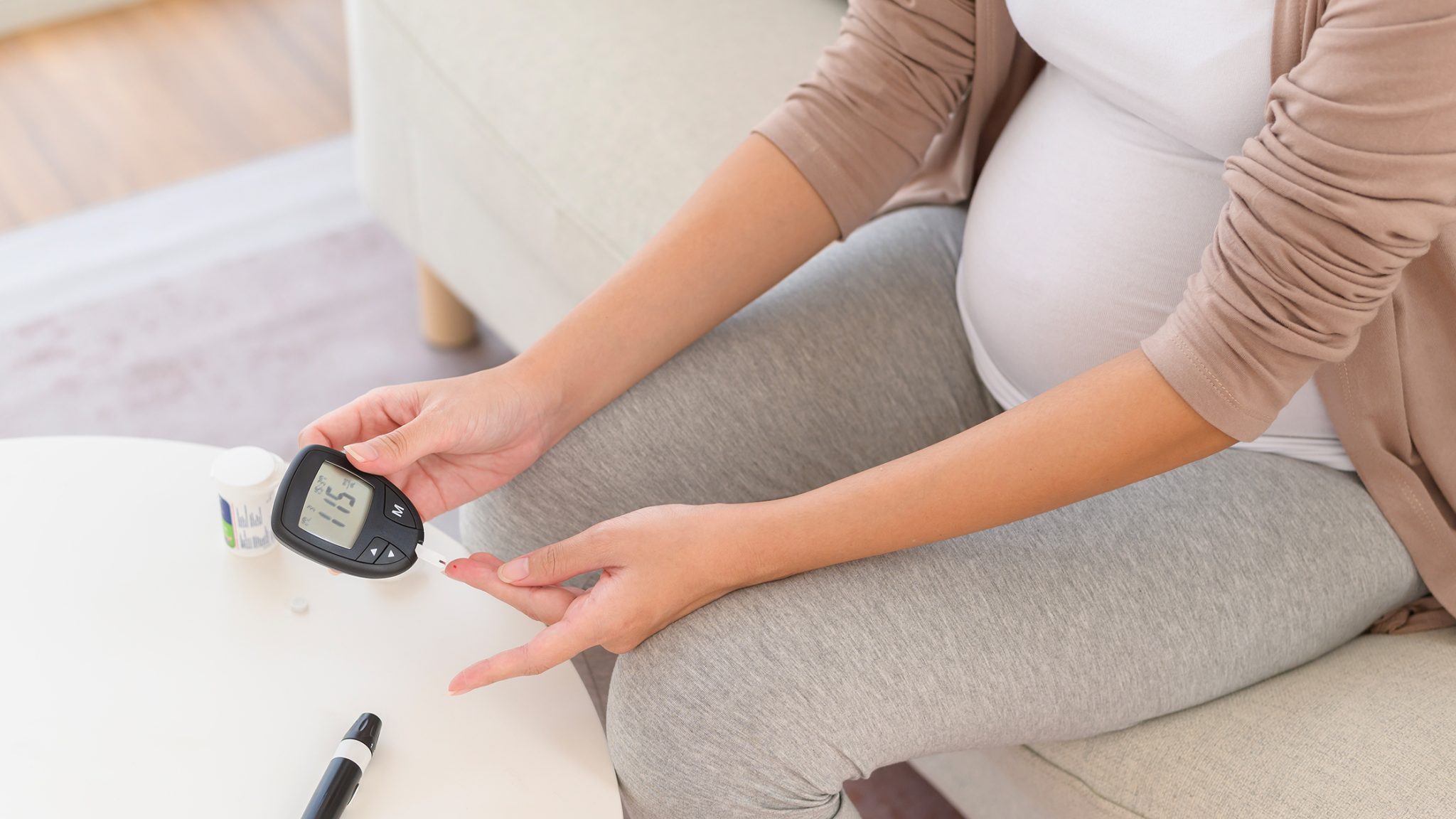
Most cases are managed through diet and monitoring alone, checking blood sugar at home several times a day and adjusting meals around the results. A smaller share of women need medication, either oral or insulin, when diet changes aren’t enough to keep levels in range.
KidsHeart’s pregnancy nutrition counseling is usually the first stop after a diagnosis, building a specific, practical eating plan rather than a generic list of foods to avoid.
How the Rest of Pregnancy Changes
A gestational diabetes diagnosis shifts a pregnancy into closer monitoring, not necessarily into high-risk territory in the way that phrase sometimes implies.
Growth scans become more frequent, since elevated blood sugar can cause a baby to grow larger than average. KidsHeart’s growth and Doppler tracking watches for this specifically, alongside checking how well blood is flowing through the placenta.
Appointments themselves become more frequent too, part of the broader high-risk follow-up pathway that applies to any pregnancy needing closer attention through the third trimester.
The Part That Ends After Delivery
For most women, gestational diabetes resolves on its own once the baby and placenta are delivered and those pregnancy hormones drop back down.
It’s not entirely over, though. Having gestational diabetes once raises the odds of developing it again in a future pregnancy, and it’s linked to a higher long-term risk of type 2 diabetes later in life. Most obstetric teams recommend a follow-up glucose test six to twelve weeks after delivery, then periodic screening in the years after that.
Back to the Orange Drink
That five-minute sprint through a too-sweet drink and the hour of waiting afterward isn’t pleasant, and most women say so. It’s also one of the more useful five minutes of a whole pregnancy.
Catching elevated blood sugar during pregnancy, rather than missing it, is what keeps most of these pregnancies moving toward a completely normal delivery and a healthy baby. For anyone approaching that window at 24 to 28 weeks in Abu Dhabi or Dubai, the next step is straightforward: it starts with booking an appointment.