
You’ve booked the appointment.
Maybe it’s after a school referral. Maybe your pediatrician heard a murmur. Maybe your child mentioned chest discomfort during PE. Whatever the reason, now you’re thinking about one thing:
How do I explain this without scaring them?
At KidsHeart, we see this every day in our Dubai, Abu Dhabi, and Al Ain clinics. The truth is, most children cope beautifully with heart tests. It’s often the anticipation that causes more stress than the test itself.
Preparing your child isn’t about hiding information. It’s about giving it in the right way.
Start With Calm, Simple Words
Children don’t need detailed medical explanations. They need safety and clarity.
Instead of saying, “It won’t hurt, don’t worry,” which can accidentally signal danger, try something neutral:
“The doctor is going to take pictures of your heart to make sure it’s strong.”
Or
“They’re going to put a few stickers on your chest to see how your heart beats.”
Keep your tone relaxed. Children borrow their emotional response from you.
If your child asks, “Is something wrong with my heart?” a steady response works best:
“The doctor just wants to double-check everything is healthy.”
Most referrals to a pediatric cardiology specialist are precautionary. Many families leave reassured, not alarmed.
Understand the Test So You Can Explain It Confidently
Parents feel calmer when they know exactly what will happen. And when you’re calm, your child feels safe.
If your child is having an ECG for children, small stickers are placed on the chest, arms, and legs to record heart rhythm. There are no needles. The machine does not send electricity into the body. It simply reads signals.
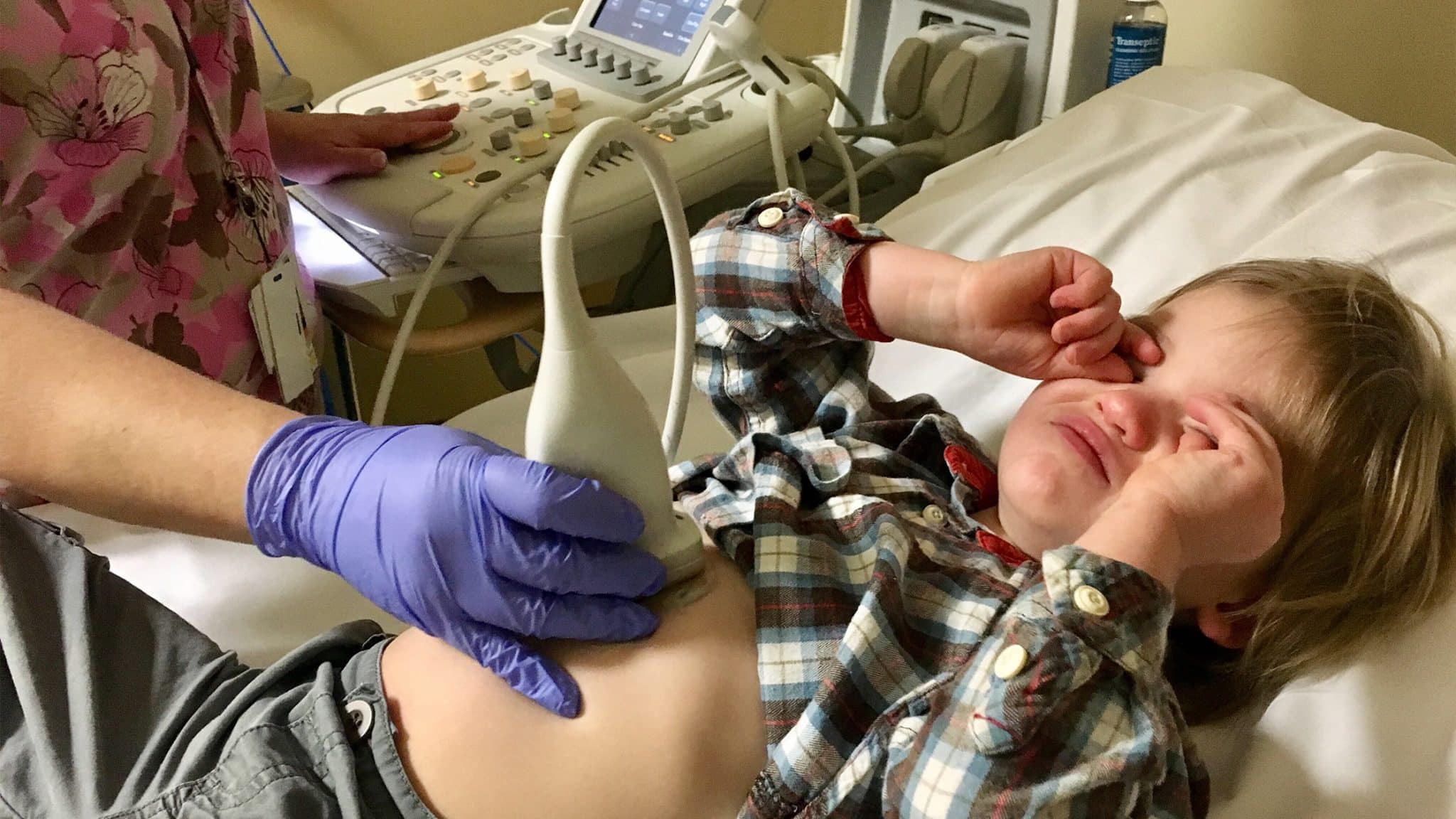
If your child is scheduled for a trans-thoracic echocardiogram, it’s essentially an ultrasound of the heart. A small probe with warm gel moves gently over the chest to create moving images. It doesn’t hurt and doesn’t use radiation.
When you explain it with confidence, it feels routine rather than scary.
Avoid Last-Minute Surprises
Children handle appointments better when they know in advance.
You might say the day before:
“Tomorrow we’re going to see the heart doctor. It won’t take long, and I’ll be with you the whole time.”
Avoid turning it into a “big event.” Matter-of-fact preparation is usually enough.
If your child is older, let them ask questions. Teenagers especially appreciate honesty over reassurance that feels forced.
Bring Something Familiar
Small comforts can make a big difference, especially for younger children.
Consider bringing:
- A favourite soft toy
- Headphones or a tablet
- A light snack for afterward
- A familiar blanket for toddlers
Even though most tests are short, having something comforting nearby reduces anxiety significantly.
If Monitoring Is Recommended
Sometimes, symptoms don’t appear during a short appointment. In those cases, doctors may suggest ECG Holter and cardiac monitoring.
Parents often worry when they hear this, but it’s usually straightforward. Your child wears a small monitor at home for a day or two while going about normal life.
You can explain it simply:
“It’s like a small heart recorder you get to wear home. You can still go to school and play.”
Framing it as something interesting rather than medical helps reduce fear.
Watch Your Own Body Language
Children read faces before they listen to words.
If you look tense, whisper to the nurse, or repeatedly ask, “Is everything okay?” your child may assume something is wrong.
Before the appointment:
- Take a breath.
- Remind yourself that most pediatric heart tests are normal.
- Focus on being steady, not overly cheerful.
Calm confidence is contagious.
On the Day of the Test
Arrive a little early so you’re not rushing. Rushing increases stress for everyone.
Let the doctor speak directly to your child. Pediatric cardiology clinics are used to explaining tests in child-friendly language. When children feel included, they feel less afraid.
If tears happen, that’s okay. Tears do not mean trauma. They often fade quickly once the child realizes nothing painful is happening.
After the Test
Plan something small afterward – a park visit, a favourite snack, or just relaxed family time.
When discussing results, keep your tone balanced. If everything is normal, say:
“We checked, and your heart is strong. That’s great news.”
Avoid phrases like, “See? There was nothing to worry about,” which can unintentionally dismiss the feelings they experienced.
A Reassuring Message for UAE Parents
Preparing your child for their first heart test doesn’t require complicated explanations. It requires calm, honesty, and trust.
Most children handle heart tests far better than their parents expect. And most results are reassuring.
If you’re preparing for your child’s first visit in Dubai, Abu Dhabi, or Al Ain, our team at KidsHeart is here to guide you every step of the way. You can book an appointment or reach out through our contact and appointment page if you’d like to speak with someone before the visit.
Sometimes the hardest part of the appointment isn’t the test. It’s helping your child walk in feeling safe. And that starts with you.