
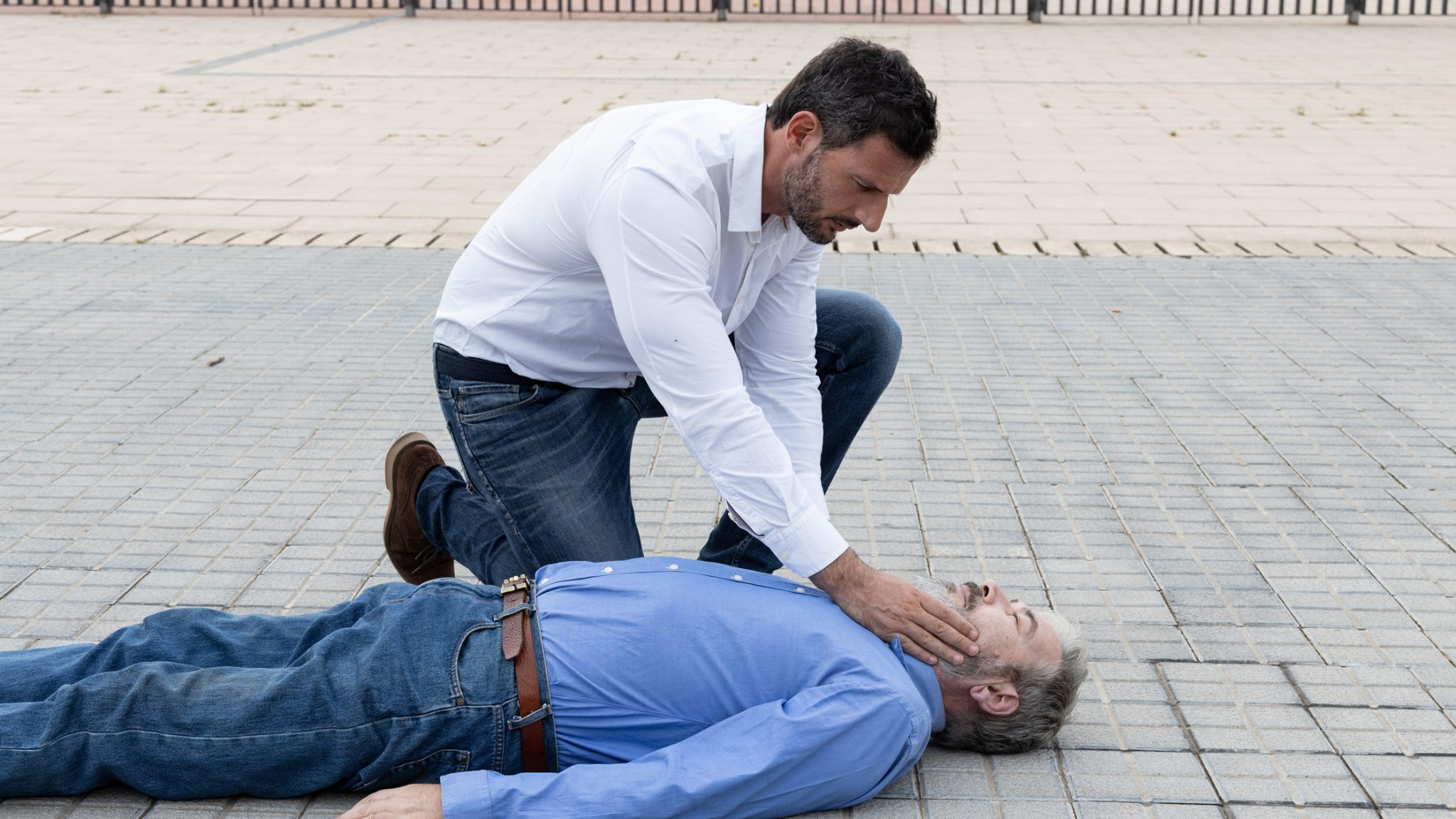
One moment, everything is normal. The next, someone collapses—without warning, without symptoms. It’s not a heart attack. It’s something even more urgent: sudden cardiac arrest (SCA).
Every year, sudden cardiac arrest claims countless lives—often in people who seemed otherwise healthy. And while it’s more commonly associated with older adults, SCA can strike at any age, including young professionals, athletes, and even teenagers.
In the UAE, where family history of heart disease and genetic risk factors are widespread, it’s critical to understand what SCA is, who’s at risk, and how early screening could save a life.
What Is Sudden Cardiac Arrest?
Sudden cardiac arrest is when the heart abruptly stops beating due to a malfunction in the heart’s electrical system. Without immediate intervention, it leads to a loss of consciousness, lack of pulse, and often death within minutes.
It is not the same as a heart attack (which is caused by a blockage in blood flow). Instead, SCA usually stems from a dangerous arrhythmia (irregular heart rhythm), most commonly ventricular fibrillation.
If not treated within minutes—typically with CPR and a defibrillator—SCA is almost always fatal.
Why It Happens—And Often Without Warning
While some people experience warning signs like palpitations, fainting, or chest discomfort in the days or hours before SCA, many show no symptoms at all. In some cases, it’s the first—and only—indication of an underlying heart problem.
Common causes of SCA include:
- Inherited arrhythmias, such as Long QT syndrome or Brugada syndrome
- Hypertrophic cardiomyopathy (HCM), often in young athletes
- Undiagnosed coronary artery disease
- Severe electrolyte imbalances or drug toxicity
- Congenital heart defects, even in adults who were never diagnosed
- Post-heart attack electrical instability
These conditions often run silently in families, passed down genetically without detection—until a tragic event occurs.
Who’s at Risk in the UAE?
Several factors make sudden cardiac arrest a growing concern in the UAE:
- High rates of undiagnosed heart disease: Many UAE adults have hypertension, diabetes, or high cholesterol but don’t get routine check-ups.
- Genetic clustering in extended families: Inherited conditions may go unnoticed across generations.
- Shisha smoking and sedentary lifestyle: Both contribute to structural and electrical heart stress.
- Younger onset of heart disease: In the UAE, heart disease often occurs a decade earlier than in Western countries.
- High-stress work environments and poor sleep hygiene, especially among working professionals and shift workers.
Even young adults—especially those engaged in sports or high-intensity training—can be at risk if they have an inherited cardiac abnormality.
The Role of Family Screening
At KidsHeart, our Adult Cardiology team offers Sudden Cardiac Arrest Prevention & Family Screening services for those with a known family history or unexplained cardiac events.
We recommend screening if:
- A first-degree relative died suddenly before age 50
- There’s a family history of unexplained fainting, seizures, or arrhythmias
- Someone in your family has been diagnosed with a genetic heart condition
- There’s been a sudden death labeled “heart attack” without a confirmed diagnosis
- You or a family member has experienced chest pain, fainting, or palpitations
Our screening program may include:
- ECG (electrocardiogram) to assess rhythm abnormalities
- Echocardiogram to examine heart structure
- Holter monitoring (24-hour rhythm test)
- Exercise stress testing to uncover exercise-induced arrhythmias
- Genetic testing, if indicated
- Lifestyle and medication review to reduce modifiable risks
Explore our Sudden Cardiac Arrest Prevention and Family Screening services to learn more.
What to Watch For: Symptoms That Shouldn’t Be Ignored
Although sudden cardiac arrest can happen without warning, subtle symptoms can appear beforehand. Take note if you or someone in your family experiences:
- Fainting, especially during exercise or emotional stress
- Unexplained seizures with normal neurological work-up
- Palpitations, fluttering, or rapid heartbeat episodes
- Chest pain not linked to physical exertion
- Shortness of breath out of proportion to activity
- A family member who died suddenly without explanation
These may warrant a full cardiac evaluation—even in young, fit adults.
What You Can Do Now
If SCA runs in your family—or you’ve lost a loved one to unexplained sudden death—don’t wait for symptoms. Proactive screening and lifestyle changes can significantly reduce your risk.
Here’s how to start:
- Book a screening with a cardiologist trained in preventive and family heart care.
- Discuss your family history, including all sudden or unexplained deaths.
- Avoid risky habits: stop smoking, limit caffeine/stimulants, and manage stress.
- Consider a wearable monitor if you’ve had unexplained fainting or palpitations.
- Encourage family members—siblings, parents, children—to get checked too.
Learn more about Holter monitoring and 24-hour BP testing and ECG evaluations offered at KidsHeart clinics across the UAE.
Moving Forward with Awareness and Action
Sudden cardiac arrest is fast—but it’s not always unpreventable. With the right knowledge, screenings, and care team, you can catch risk factors early and protect yourself and your family.
At KidsHeart, our adult cardiology specialists in Dubai, Abu Dhabi, and Al Ain offer personalized SCA prevention plans, advanced diagnostics, and compassionate care that considers your family’s unique history and lifestyle.
to book your family screening or SCA risk evaluation. When it comes to sudden cardiac arrest, the best protection is preparation.