

Tics are common in childhood, they usually begin between the ages of about four and eight, and most of them fade without treatment. That is the plain summary. It rarely feels plain to a parent watching a child blink hard, over and over, at the dinner table, or hearing a small sniff repeated every few seconds through a whole film, with no cold to explain it.
The first instinct is often to ask the child to stop. The child usually can, briefly, and then the blinking returns, sometimes stronger. A week later it might be a shoulder shrug instead, or a throat-clearing sound that a teacher mentions in a note home.
Tics sit at the meeting point of neurology, behavior and family life, and they are one of the more frequent reasons children are seen by our Pediatric Neurology team. That team sees children at the Dubai Healthcare City branch, as well as in Abu Dhabi and Al Ain.
What a tic actually is
A tic is a sudden, rapid, repeated movement or sound that is not done on purpose but is not entirely involuntary either. Many children, especially older ones, describe a building feeling beforehand, an itch, pressure or tension in a particular spot, that is relieved once the tic happens. Neurologists call this a premonitory urge.
Tics are usually grouped by type:
Motor tics involve movement. Simple ones include eye blinking, eye rolling, nose wrinkling, facial grimacing, head jerking and shoulder shrugging. Complex motor tics are longer sequences, such as touching objects, jumping or repeating a gesture.
Vocal tics involve sound. Simple ones include sniffing, throat-clearing, coughing, grunting and squeaking. Complex vocal tics include repeating words or phrases. Saying socially unacceptable words, the feature most people associate with Tourette syndrome, is actually uncommon and affects only a minority of people with the condition.
Tics typically wax and wane. They come and go over weeks or months, change from one type to another, and get worse with tiredness, excitement, stress, illness or boredom. They often ease when a child is absorbed in something, such as playing a sport, building a model or performing on stage, and they usually disappear during sleep.
Tics are not caused by poor parenting or attention-seeking, and they say nothing about a child’s intelligence. They reflect how certain circuits deep in the brain manage movement.
Provisional tics, persistent tics and Tourette syndrome
The labels depend mostly on how long tics have lasted and which types are present.
A provisional tic disorder describes tics that have been present for less than a year. This is by far the most common pattern in young children, and many settle within months. A good share of the children our neurologists see in Dubai with a few weeks of blinking or sniffing fall into this group, and the main task at that stage is explanation and watching rather than treatment.
A persistent (chronic) tic disorder describes motor tics or vocal tics, but not both, lasting more than a year.
Tourette syndrome is diagnosed when a child has had multiple motor tics and at least one vocal tic, not necessarily at the same time, for more than a year, starting before age 18.
These conditions are more common than many families realize. According to the CDC, Tourette syndrome or a persistent tic disorder may affect about 1 in 50 children aged 5 to 14, and about half of children with Tourette syndrome may not be diagnosed. Mild tics often go unnoticed by everyone except the people closest to the child.
The course is usually encouraging. Tics in Tourette syndrome often peak in severity around the ages of 10 to 12 and then improve through adolescence, with many young adults having few or mild tics. Our page on Tourette syndrome management explains how that longer pattern is followed.
Conditions that often come along
Tics rarely travel alone, particularly in Tourette syndrome. ADHD is the most common companion, and attention or impulsivity problems often affect a child’s daily life more than the tics themselves. Obsessive-compulsive symptoms, such as needing things to feel “just right,” are also common, as are anxiety and difficulties with sleep or learning.
This is one reason a neurological assessment looks at the whole child rather than only the tic. A child whose blinking bothers no one but who cannot sit through a lesson may need help with attention more urgently than with the tic. Our ADHD assessment pathway in Pediatric Neurology is often part of the same conversation. Our earlier post on OCD in children covers the obsessive-compulsive side in more depth.
What happens at a neurology visit
For most children, a tic disorder is diagnosed from the history and examination alone. The neurologist asks when the tics began, what they look like, how they have changed, what makes them worse or better, and whether anyone else in the family has had tics. A family history is common, since tic disorders often run in families.
The examination checks that the movements are tics rather than something else. A few other conditions can look similar: blinking caused by an eye problem or allergy, repeated movements linked to certain seizures, or movement disorders with a different pattern. In most cases the distinction is clear in the clinic. Tests such as an EEG or brain imaging are needed only when something in the history or examination does not fit the usual pattern.
Because tics often vanish in the consulting room, a short video recorded at home is very useful, and two or three clips from different days show more than one. Before the appointment, it also helps to note down:
- When the tics first appeared, and how they have changed since
- Which tics are present now, both movements and sounds
- Times of day or situations when they are worse or better
- Any discomfort, pain or embarrassment the tics cause
- Concerns about attention, worries, sleep or learning
- Family members who had tics or similar habits as children
At our Dubai Healthcare City clinic, as in Abu Dhabi and Al Ain, the first visit is as much about explanation as diagnosis. Understanding what tics are, and are not, often reduces the worry around them for the whole family.
What helps, and what tends to backfire
Many children need no treatment beyond understanding. If the tics are mild and not causing pain, social difficulty or problems at school, the usual advice is to watch and wait.
At home, the most helpful approach is often the simplest: not commenting on the tics, not asking the child to stop, and not making them the focus of family conversation. Attention, even kind attention, can make a child more aware of tics and more tense about them, which tends to make them worse. Adequate sleep, regular routines and outlets for stress help too.
When tics are frequent, painful, embarrassing or interfering with school or friendships, treatment is worth discussing. The first-line approach for many children is a structured behavioral therapy called Comprehensive Behavioral Intervention for Tics (CBIT). It teaches children to notice the urge that comes before a tic and to use a competing response, a different, less noticeable action that makes the tic harder to perform. It does not teach suppression by willpower alone, and it often works well. A typical course runs over roughly eight to ten weekly sessions, with practice at home in between, and older children and teenagers usually engage with it best because they can describe the urge clearly.
Medication is reserved for tics that remain significantly disruptive despite other measures, and it is chosen carefully because each option has side effects to weigh. Our page on motor tic disorders outlines these options.
School matters a great deal. A brief explanation for teachers, and sometimes classmates, a seat that allows discreet movement, a quiet place to release tics when needed, and extra time in exams if tics interrupt writing can make a large difference. Teasing is a bigger problem for many children than the tics themselves. Many schools in Dubai and Abu Dhabi have inclusion or learning support coordinators who can put these adjustments in place quickly once they understand what tics are, and a short letter from the neurologist usually opens that conversation.
Back at the dinner table
The child blinking at dinner is, in most cases, a child with a common and usually temporary neurological pattern, not a habit to be corrected or a sign of something sinister. Knowing that changes the evening. Parents stop watching every blink, siblings stop pointing it out, and the child stops apologizing for something they never chose to do. The blinking stops being a battle, and often becomes a little less frequent simply because it is no longer watched.
When tics persist past a year, multiply, cause discomfort, or come with concerns about attention, mood or learning, a neurological assessment brings clarity. Families in Dubai, Abu Dhabi and Al Ain can arrange a visit with our pediatric neurologists through the KidsHeart contact page.
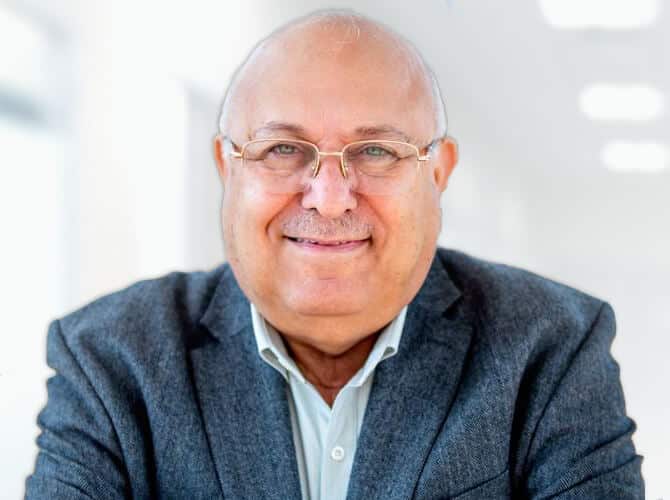
Dr. Azhar Daoud
Consultant & Prof, Pediatric & Child Neurology

Dr. Imad Yassin
Consultant Pediatrician/ Pediatric Neurologist – FRCPCH(UK) | Facharzt, FAMAP, Pediatric Neurology Cert (Austria)