
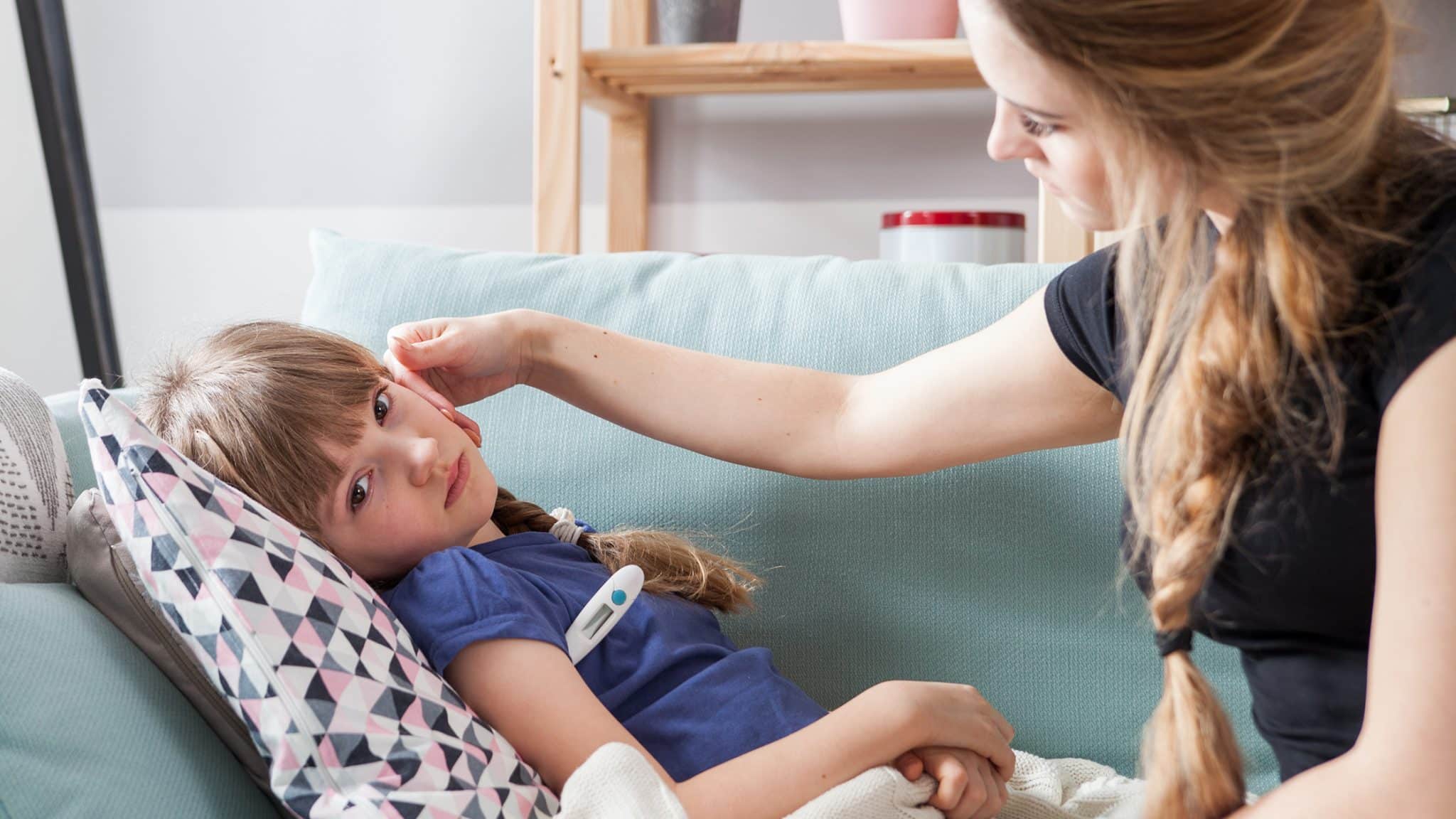
Few moments are as frightening for a parent as seeing their child have a seizure. It often happens suddenly. A mild fever earlier in the day, a restless night, and then without warning, your child’s body stiffens or jerks. For many parents across Dubai, Abu Dhabi, and Al Ain, this experience leaves a deep emotional mark, even after the episode passes.
If your child has experienced a seizure during a fever, you are not alone. Febrile seizures are one of the most common seizure types in young children, and while they look alarming, they are usually not dangerous. Understanding why they happen and what to do can help replace fear with calm, informed action.
What Is a Febrile Seizure?
A febrile seizure is a convulsion that occurs in young children when their body temperature rises quickly, usually due to an infection. These seizures most often affect children between six months and five years of age.
During a febrile seizure, a child may lose consciousness, stiffen, shake, roll their eyes, or appear unresponsive for a short period. The episode can last from a few seconds to a few minutes, though it often feels much longer to parents watching.
While febrile seizures are linked to fever, they are not the same as epilepsy. They do not mean a child has a chronic seizure disorder, and most children outgrow them completely.
Parents who want a deeper explanation can read more on our dedicated page about febrile seizures.
Why Does Fever Trigger a Seizure?
In young children, the brain is still developing and can be more sensitive to changes in body temperature. A rapid rise in fever, rather than how high the fever becomes, is often the trigger.
Think of the developing brain as a sensitive control system. When temperature changes too quickly, the brain’s electrical activity can briefly become disorganized, leading to a seizure. This reaction is usually temporary and does not cause brain damage.
Febrile seizures often run in families, which suggests a genetic tendency. However, they are not caused by anything a parent did or did not do.
What To Do If Your Child Has a Febrile Seizure
Knowing how to respond in the moment can help protect your child and reduce panic.
If your child has a seizure during a fever:
- Stay calm and note the time
- Lay your child on their side on a safe surface
- Remove nearby objects that could cause injury
- Do not put anything in their mouth
- Do not try to restrain their movements
Most febrile seizures stop on their own within a few minutes. Once the seizure ends, your child may be sleepy or confused for a short while.
After the episode, it is important to have your child medically evaluated, especially if it is their first seizure. Parents may also find it reassuring to review guidance on seizure first aid and family education, which explains safe steps in clear, practical language.
When Should You Seek Urgent Care?
Although most febrile seizures are harmless, some situations require immediate medical attention.
You should seek urgent care if:
- The seizure lasts longer than five minutes
- Your child has difficulty breathing after the seizure
- The seizure occurs without a fever
- Your child does not return to their usual behavior
- The seizure involves only one side of the body
These situations do not necessarily mean something serious is wrong, but they do need prompt evaluation.
Will My Child Have More Seizures?
This is one of the most common questions parents ask. Some children will have only one febrile seizure in their lifetime. Others may have more than one, usually during future illnesses with fever.
The majority of children with febrile seizures do not go on to develop epilepsy. For families who want clarity about seizure types that can resemble epilepsy, our page on mimics of epilepsy offers helpful explanations.
If seizures are recurrent, prolonged, or unusual in appearance, a pediatric neurology assessment can help determine whether further evaluation is needed.
Did You Know?
In the UAE, febrile seizures are a frequent reason for emergency visits in young children, particularly during viral illness seasons. As awareness grows, more parents are learning that these seizures, while dramatic, are usually benign.
Schools, nurseries, and caregivers are also becoming more informed about fever related seizures, which helps children receive calm and appropriate care outside the home. Early education and reassurance can significantly reduce family anxiety.
How Pediatric Neurology Supports Families
A pediatric neurology consultation after a febrile seizure focuses on reassurance, education, and safety. The goal is not to label a child, but to understand their risk, guide parents on fever management, and provide a clear plan for future episodes.
Our Western trained pediatric neurology teams work closely with families to explain what is normal, what to watch for, and when follow up is needed. Diagnostic tests are not always required, and many children need only observation and guidance.
You can learn more about how our Pediatric Neurology service supports children with seizure concerns across Dubai, Abu Dhabi, and Al Ain.
Walking This Journey Together
If your child has had a febrile seizure, it is natural to feel shaken, even after being told it is common. Reassurance often comes gradually, with understanding and support.
Families across Dubai, Abu Dhabi, and Al Ain trust KidsHeart for calm, evidence based guidance during frightening moments. If you would like to speak with our team, ask questions, or arrange an appointment, you can reach us through our Contact Us page. With the right information and support, parents can feel confident caring for their child through future fevers and beyond.