
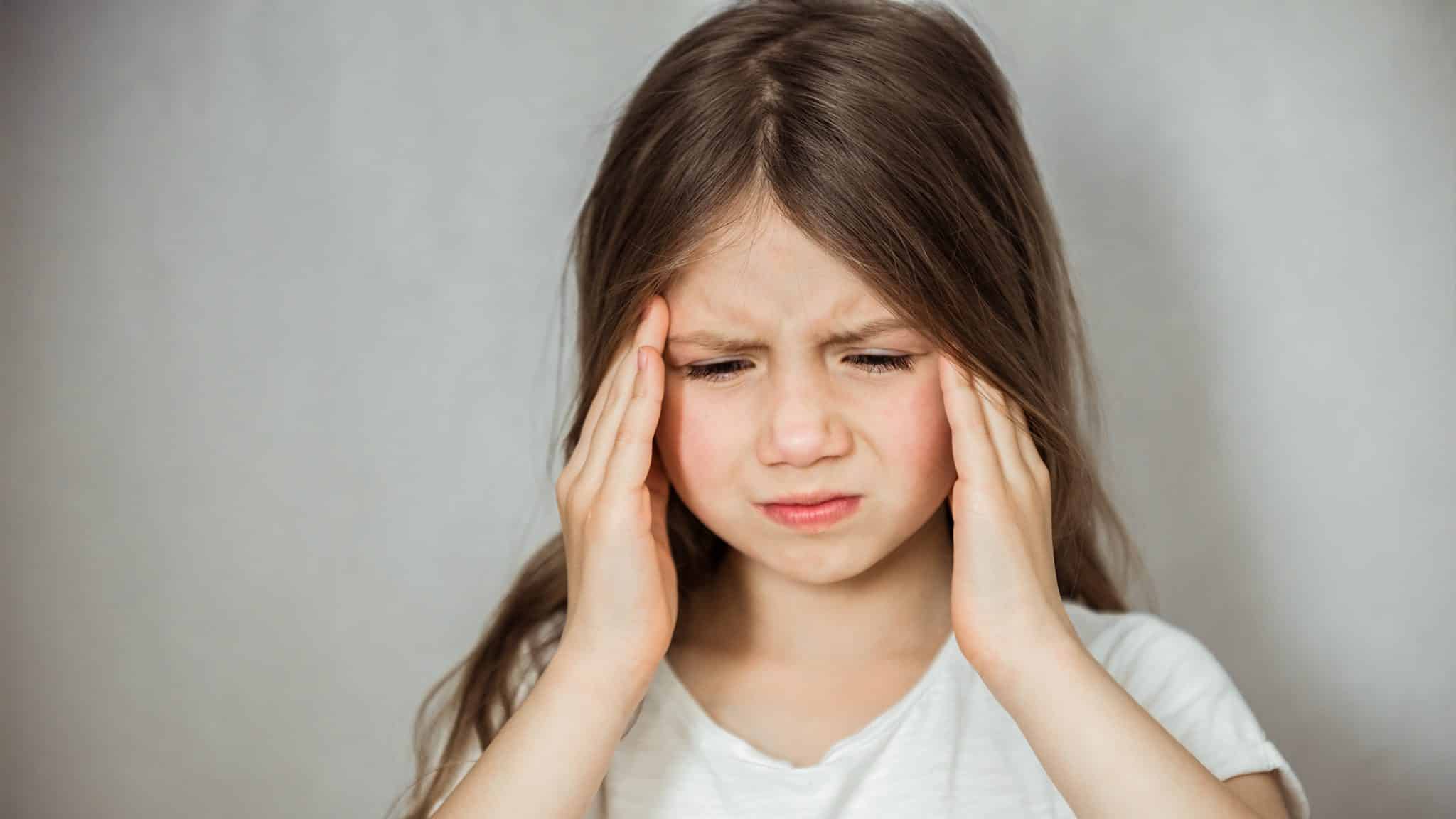
Headaches in children are often brushed aside. A long school day, too much screen time, dehydration, or skipped meals are common explanations parents hear. In many cases, that is true. But for some families, headaches become a recurring shadow. They interrupt school days, cancel playdates, and quietly affect a child’s confidence and mood.
Across Dubai, Abu Dhabi, and Al Ain, parents frequently ask a similar question in clinic. When is a headache just a phase, and when does it need specialist attention? Understanding this difference can help families move from uncertainty to clarity.
The Many Faces of Headaches in Children
Children experience headaches differently from adults. Some complain of pain on both sides of the head, others hold their forehead or temples, and younger children may simply become irritable, pale, or withdrawn.
Common headache types in children include tension type headaches, migraines, and headaches linked to illness or lifestyle factors. Migraines, in particular, can be surprising to parents. A child may not always describe throbbing pain. Instead, they may avoid light, feel nauseated, or want to sleep in a quiet room.
Parents who want to understand this better may find our page on headaches and migraines helpful, especially when headaches start affecting daily life.
A Child’s Story Often Tells More Than the Pain
One of the most important clues is not how severe the headache feels in one moment, but how often it returns and how much it interferes with normal life.
Parents may notice patterns such as headaches before school, after long days of concentration, or during periods of stress. Some children miss classes repeatedly or struggle to keep up academically because of frequent pain.
When headaches begin to limit attendance, learning, sleep, or emotional wellbeing, it is worth looking deeper. At this point, reassurance alone may no longer be enough.
When Headaches May Signal a Neurological Concern
Most childhood headaches are not caused by serious neurological conditions. However, certain features suggest the need for a pediatric neurology evaluation.
These include:
- Headaches that are frequent or worsening over time
- Headaches that wake a child from sleep
- Early morning headaches with vomiting
- Headaches associated with visual changes, weakness, or balance issues
- A sudden change in headache pattern or severity
These signs do not automatically mean something serious is present. They simply indicate that the brain may need closer assessment to rule out underlying causes and guide appropriate care.
The Brain, Triggers, and Migraines
Migraines are linked to how the brain processes sensory information and pain signals. In children, migraine pathways can be sensitive to triggers such as dehydration, irregular sleep, skipped meals, stress, or hormonal changes as they grow.
Understanding triggers can be empowering. Many families are surprised to learn that migraines are not just headaches, but a neurological condition that can run in families. Recognizing this helps shift the conversation away from blame and toward management.
In some children, migraines may overlap with other neurodevelopmental patterns such as attention difficulties or sleep issues. This is why a holistic neurological view is often helpful.
Did You Know?
In the UAE, school related stress and early academic demands are increasingly recognized as contributors to pediatric headaches. Teachers may notice children asking to visit the nurse, resting their head on the desk, or withdrawing from classroom activities.
With growing awareness, more families are seeking early evaluation rather than waiting years for headaches to resolve on their own. Early support can reduce missed school days and improve a child’s quality of life.
What Happens During a Pediatric Neurology Evaluation for Headaches?
A pediatric neurology assessment for headaches focuses on listening carefully. Your child’s story, headache patterns, family history, sleep habits, and daily routine all provide important clues.
Our Western trained pediatric neurology teams do not rely on tests alone. Many children do not need brain imaging. Instead, the focus is on identifying headache type, ruling out concerning features, and creating a clear management plan.
When headaches are linked to stress, learning pressure, or emotional factors, families may benefit from learning more about coordination with schools and psychologists. This ensures support extends beyond the clinic.
You can also learn more about how our Pediatric Neurology service supports children with chronic headaches across Dubai, Abu Dhabi, and Al Ain.
Helping Your Child Feel Heard and Supported
Children with frequent headaches are sometimes told to push through the pain. While resilience is important, so is feeling believed. When children feel heard, their stress levels often reduce, which itself can improve headache frequency.
Parents play a key role by observing patterns, keeping simple headache diaries, and advocating for appropriate support at school and home.
Walking This Journey Together
If your child’s headaches are becoming frequent, disruptive, or worrying, seeking guidance is a thoughtful step, not an overreaction. Families across Dubai, Abu Dhabi, and Al Ain come to KidsHeart looking for clarity, reassurance, and a plan that fits their child’s life.
If you would like to ask questions or arrange an appointment with the appropriate specialist, you can reach our team through our Contact Us page. With understanding, structure, and the right care, many children learn to manage headaches confidently and return to enjoying school, play, and everyday life.