
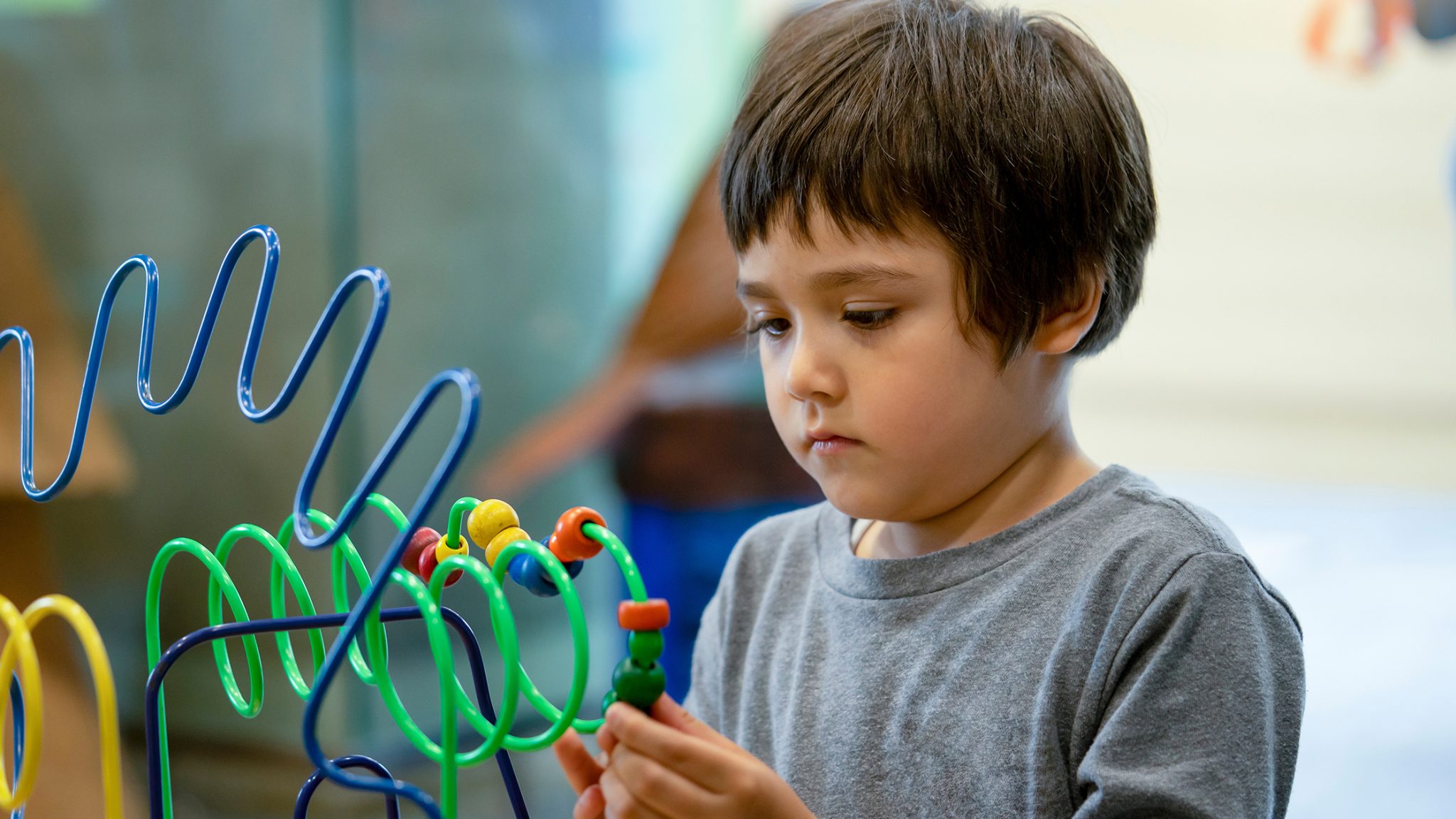
Every child grows at their own pace — some start talking earlier, others walk later — and most variations are perfectly normal. But sometimes, delays in speech, movement, or learning can signal that a child may benefit from early support. The good news? When developmental challenges are recognized early, children can make incredible progress.
At KidsHeart Medical Center, our growth and development monitoring specialists help families in Dubai, Abu Dhabi, and Al Ain track milestones, detect potential delays, and start personalized interventions that give children the best chance to thrive.
What Is Early Intervention?
Early intervention means identifying and supporting children with developmental, behavioral, or learning challenges as early as possible, usually before age five. It may include therapies such as speech, occupational, or physical therapy, depending on each child’s needs.
The goal is simple: to give children the skills and confidence they need to reach their full potential — at home, in school, and beyond.
Why Early Screening Makes All the Difference
The first few years of life are when the brain grows and adapts the most. During this window, every experience — from playing to talking — builds neural connections. If a child receives help early, their brain can “rewire” more easily to overcome difficulties.
According to the World Health Organization (WHO), early intervention before age three can improve long-term outcomes by up to 70%, especially for speech, motor, or social-emotional challenges.
That’s why regular pediatric visits and milestone checks are essential — they’re not just about height and weight, but about tracking how your child learns, moves, and connects.
Understanding Developmental Milestones
Milestones are like checkpoints of progress — signs that your child’s brain and body are developing in sync. They fall into key categories:
- Gross motor skills: sitting, walking, running, climbing
- Fine motor skills: grasping, drawing, using utensils
- Speech and language: babbling, forming words, following directions
- Social and emotional skills: eye contact, playing with others, showing empathy
- Cognitive skills: problem-solving, recognizing colors or shapes, remembering routines
Every child achieves these at slightly different times. What matters is steady progress — not competition.
When Parents Should Seek Guidance
Sometimes, a “wait and see” approach leads to unnecessary delay. It’s worth consulting your pediatrician if your child:
- Isn’t smiling or making eye contact by 3 months
- Doesn’t sit unsupported by 9 months
- Isn’t walking by 18 months
- Has very few words by 2 years
- Rarely interacts or plays with others
- Seems overly sensitive to sound, texture, or touch
- Loses skills they previously had
These signs don’t always mean a serious problem, but they deserve a closer look. Early screening gives parents clarity — and, if needed, early action.
The UAE Perspective on Early Development
In the UAE, developmental screening is gaining growing attention among families and schools. According to data from the Dubai Health Authority (DHA), 1 in 8 preschool-aged children show mild to moderate delays in speech, coordination, or social interaction — many of which respond well to early therapy.
Busy family schedules, multilingual environments, and increased screen exposure can sometimes make it harder to notice subtle signs. That’s why routine developmental assessments are now part of many pediatric checkups across the country.
Our newborn and infant wellness checks and early childhood visits are designed to catch early differences and guide parents through the next steps with empathy and expertise.
How Pediatricians Help Identify Delays
At KidsHeart, developmental monitoring involves much more than observation. Our specialists use standardized screening tools to assess each area of growth and provide referrals for therapies if needed. The process includes:
- Reviewing milestones and parent observations
- Physical and neurological assessments
- Speech, hearing, and vision screening
- Guidance on home activities to support progress
If needed, children may be referred for targeted therapies — such as speech therapy for language delays, occupational therapy for coordination or sensory needs, or behavioral consultation for social and emotional development.
Supporting Development at Home
Parents play a powerful role in early intervention. Simple, everyday activities help strengthen growing skills:
- Talk and read often: Describe what you’re doing, name objects, and ask open-ended questions.
- Encourage play: Building blocks, puzzles, and imaginative games develop motor and cognitive skills.
- Limit screens: Face-to-face interaction is far more valuable for brain development.
- Celebrate small steps: Progress happens in tiny milestones — every one matters.
- Keep routines consistent: Predictable days help children feel secure and focused.
Our early childhood behavioral consultations team often supports parents in creating playful, structured home environments that encourage growth through everyday life.
Did You Know?
A study by MOHAP found that children who receive developmental support before age four are three times more likely to reach grade-level skills by the time they enter primary school — compared to those who start therapy later. Early detection truly changes a child’s future.
Growing with Confidence, Growing with Care
Every child’s journey is unique — and early intervention ensures that no child is left behind. With the right attention, understanding, and support, children can catch up beautifully and grow into confident learners.
At KidsHeart Medical Center, our Western-trained pediatricians and developmental specialists in Dubai, Abu Dhabi, and Al Ain provide compassionate, evidence-based care for children of all abilities. If you’d like reassurance about your child’s growth, speech, or learning milestones, you can easily book an appointment with our pediatric specialists at KidsHeart Medical Center.