
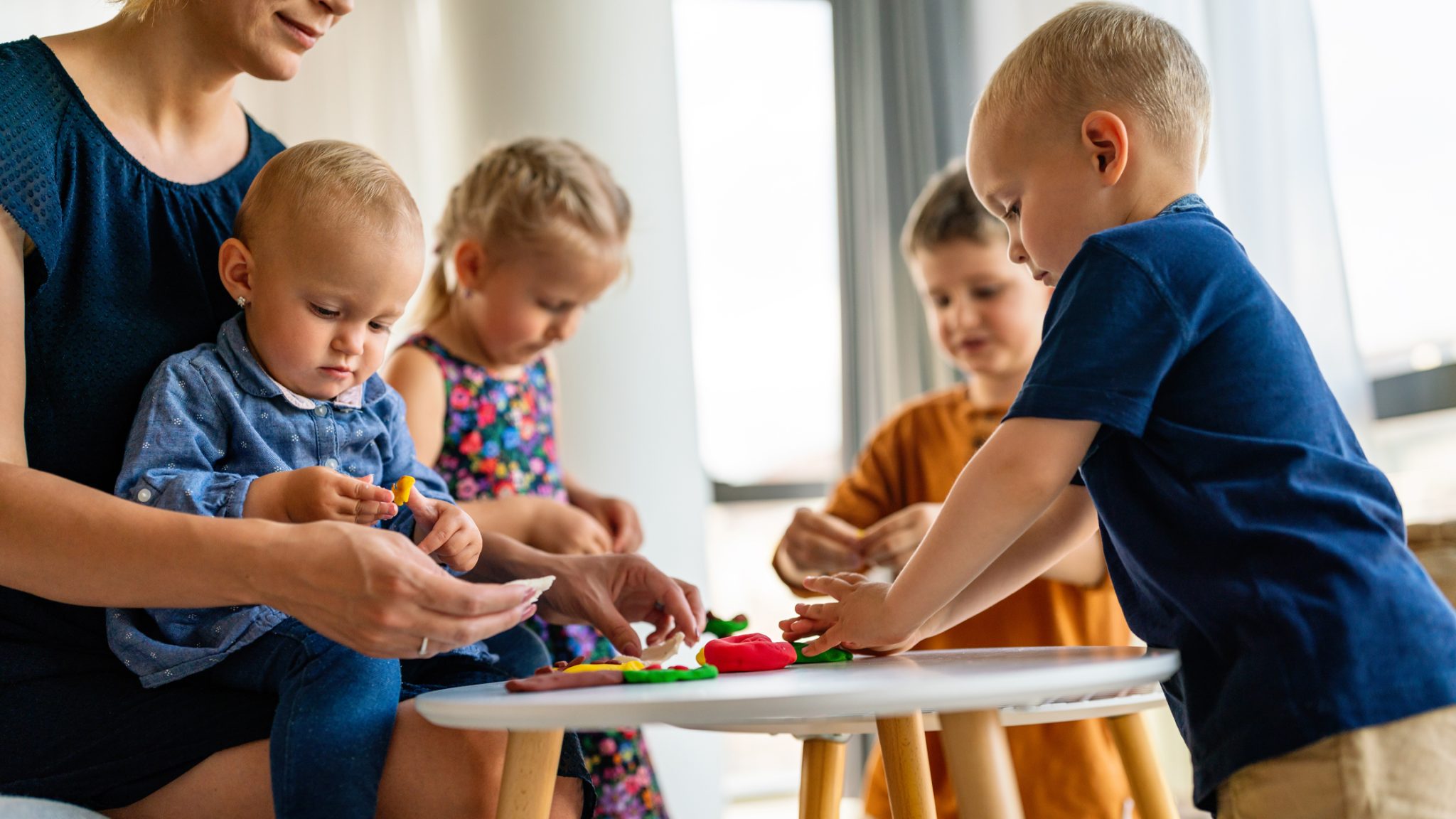
It might look like play at first.
Your toddler is stacking blocks, singing a familiar song, or pushing a toy car back and forth on the floor. There’s laughter, movement, and pauses for connection. If you walked past the room, you might not even realize therapy is happening — and that’s exactly the point.
For many parents in Dubai, Abu Dhabi, and Al Ain, the idea of ABA therapy for toddlers can feel intimidating. It’s often imagined as structured or demanding. In reality, early ABA sessions are designed to feel calm, playful, and closely tied to everyday routines.
Toddlers Learn Best Through Play and Connection
At this age, children learn through exploration, repetition, and relationships. Toddlers are not expected to sit still or follow long instructions. Instead, therapy meets them where they are — on the floor, in motion, and driven by curiosity.
Through early intervention ABA for toddlers, learning is woven into activities your child already enjoys. Play becomes the bridge for building communication, attention, and emotional regulation.
What a Typical Session May Include
No two toddlers are the same, so sessions are always individualized. Still, many early ABA sessions gently focus on a few key areas.
A session may involve:
- Play-based activities that encourage shared attention and turn-taking
- Simple communication opportunities, such as gestures, sounds, or early words
- Practicing transitions between toys or activities with support
- Encouraging imitation through songs, actions, or movement
These moments are short, flexible, and guided by your child’s responses rather than a rigid plan.
Routines Matter More Than Worksheets
For toddlers, progress often comes from what happens between sessions.
Therapists may support routines like mealtimes, dressing, bath time, or bedtime — moments that naturally repeat every day. By gently shaping these routines, children begin to feel more secure and predictable patterns start to form.
This approach is rooted in Applied Behavior Analysis (ABA) Therapy, where learning is connected to real life rather than isolated tasks.
Did You Know?
In the UAE, many pediatricians and nurseries now encourage families to observe communication and social development as early as the toddler years. Early support does not mean something is “wrong” — it simply helps children access skills during a period of rapid brain development.
Families who begin gentle, play-based support early often report smoother transitions into nursery and preschool settings, especially when routines and expectations are introduced gradually.
Parents Are Actively Involved — Not Watching from the Side
One common worry parents share is whether therapy will replace their role. In toddler ABA, parents are central to the process.
Through parent training and coaching programs, caregivers learn how to support communication and regulation during everyday interactions — without adding pressure or extra tasks.
This collaboration helps toddlers generalize skills more naturally, because the people they trust most are part of the learning.
Gentle Support That Respects Your Child’s Pace
Toddlers develop at different speeds, and quality ABA therapy respects that. Sessions are adjusted based on your child’s energy, mood, and interests on that day.
Many programs also use play-based ABA techniques to ensure learning feels safe and enjoyable rather than demanding.
There is no expectation for perfection — only consistency, warmth, and responsiveness.
Supporting Growth, One Playful Moment at a Time
Choosing ABA therapy for a toddler is not about accelerating development. It’s about offering gentle guidance during a time when the brain is especially open to learning.
If you’re in Dubai, Abu Dhabi, or Al Ain and wondering whether early, play-based support might benefit your toddler, our team is here to talk things through with you. You’re always welcome to contact us for a calm, supportive conversation.
At this age, growth often looks like play — and sometimes, that’s where the most meaningful learning begins.