
Sometimes the change is so small it’s easy to miss. Your child looks at you for a moment longer than before. They try a new word instead of crying. A daily routine that once felt overwhelming becomes just a little smoother. These moments don’t arrive suddenly — they grow quietly, layered one on top of […]

All posts by Dr. Deiaaeldin Adel Hosny

What Is ABA Therapy — And What It Is Not
It often begins with a quiet moment of worry.Your child doesn’t respond when you call their name. Mornings feel harder than they should. A teacher gently mentions concerns. And suddenly, a new term enters your world — ABA therapy. If you’re like many parents in Dubai, Abu Dhabi, or Al Ain, your first reaction may […]

Is ABA Therapy Right for My Child?
Questions Many UAE Parents Ask Quietly One evening, after your child has finally fallen asleep, you may find yourself replaying the day in your mind. The struggle over homework. The tears during a simple change in routine. The small victories that no one else notices. Somewhere between worry and love, a quiet question forms: Is […]

ABA Therapy for Toddlers: What Sessions Really Look Like at This Age
It might look like play at first. Your toddler is stacking blocks, singing a familiar song, or pushing a toy car back and forth on the floor. There’s laughter, movement, and pauses for connection. If you walked past the room, you might not even realize therapy is happening — and that’s exactly the point. For […]

Why Punishment Often Backfires for Emotionally Sensitive Children
You set a clear boundary, follow through with discipline, and hope it will help your child learn. Instead, the reaction is bigger tears, louder protests, or complete shutdown. Many parents quietly wonder if they’re being too soft — or not firm enough. For families navigating emotional sensitivity, this confusion is common. If you’re in Dubai, […]
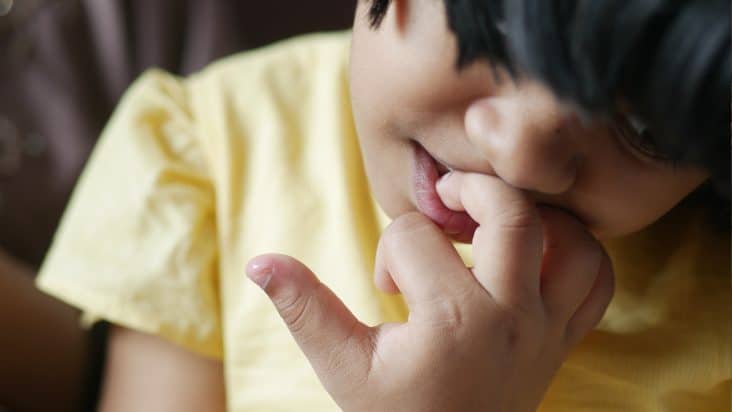
Why Nail Biting Isn’t Just a Habit — Understanding Emotional Triggers in Children
Most parents notice it first during quiet moments — a child watching TV, reading, or feeling anxious before school, their fingers unconsciously at their mouth. You ask them to stop, and they try… for a few minutes. Then it happens again. Nail biting might seem like a harmless habit, something a child will “grow out […]

When Rules Become a Battle: Understanding Oppositional Defiant Disorder (ODD)
Every parent has faced moments of frustration — a child shouting “no,” refusing to follow instructions, or slamming doors in anger. It’s normal for children to test limits as they grow. But for some families, these clashes become daily battles that leave everyone exhausted and confused. At KidsHeart, our pediatric psychology specialists often meet parents […]

Understanding Emotional Shutdown: When Children Go Silent Instead of Acting Out
Some children don’t cry, shout, or slam doors when they’re overwhelmed. Instead, they go quiet. They retreat to their room, avoid eye contact, answer in shrugs, or say “I don’t know” to everything. From the outside, it can look like calm or indifference — but inside, something very different may be happening. For many parents, […]

Understanding Eating Disorders in Children and Teens
It often starts subtly — a child skipping breakfast before school, pushing food around their plate at dinner, or making comments like, “I feel fat.” For many parents, these moments spark quiet concern mixed with confusion. “Is this just a phase?” they wonder. But when food, weight, or body image begin to dominate a child’s […]

Understanding Big Emotions in Children and How to Respond Calmly
Your child goes from calm to completely overwhelmed in seconds. Tears, shouting, or shutting down seem to come out of nowhere. As a parent, you may find yourself wondering, Why is this so hard for them? or Why can’t they just calm down? The truth is, many children experience emotions far more intensely than adults […]