
At home, he hears Arabic from his grandmother, Urdu from his mother and English from his father. At nursery, it is English all day, with a bit of Arabic in circle time. He is two and a half. He says “mama,” “baba,” “water,” “ma’a” and “no,” and points at nearly everything else. His cousin, the […]

Blogs

Tics in Children: Blinking, Sniffing, Throat-Clearing and When to See a Neurologist
Tics are common in childhood, they usually begin between the ages of about four and eight, and most of them fade without treatment. That is the plain summary. It rarely feels plain to a parent watching a child blink hard, over and over, at the dinner table, or hearing a small sniff repeated every few […]

Premature Babies and Catch-Up Growth: Reading the Chart by Corrected Age
Born at 30 weeks, weighing 1.4 kg. Nine months later, she sits on her mother’s lap at a well-baby visit, and the growth chart says she is near the bottom of the curve. A neighbor’s baby, born the same week at full term, is crawling and pulling to stand. She is just starting to sit […]

Perfectionism in Children: When “Good Enough” Never Feels Good Enough
The eraser has worn a hole through the worksheet. The answer underneath was correct the first time. It was rewritten because the letter “g” leaned slightly to the left, then rewritten again because the second attempt looked worse than the first, and by the third attempt the paper tore and the tears started. It is […]

Feeding Therapy for Selective Eaters: What Actually Happens in the Room
The spoon touches her lip and she gags before any food reaches her tongue. Not a dramatic refusal, just a quick reflex, eyes watering, and then she turns her head toward the wall. The same plain pasta, the same brand of yogurt and the same crackers have made up her meals for months. Anything else […]

ABA at Home: Turning Everyday Routines into Practice
The shoes are by the door. It is 7:10, the school bus comes at 7:25, and he is lying on the floor beside them, not crying, not refusing exactly, just not moving. Twice a week at the clinic, he puts on his shoes with a picture card and a short sequence his therapist has practiced […]

SVT in Children: When a Heart Suddenly Races and Then Stops
She was sitting on the sofa with a book when she said her heart was “beeping.” Her father pressed two fingers to her neck and could not count fast enough. The fitness watch on her wrist, a birthday present, read 228. Twenty minutes later, while they were still deciding whether to drive to the emergency […]
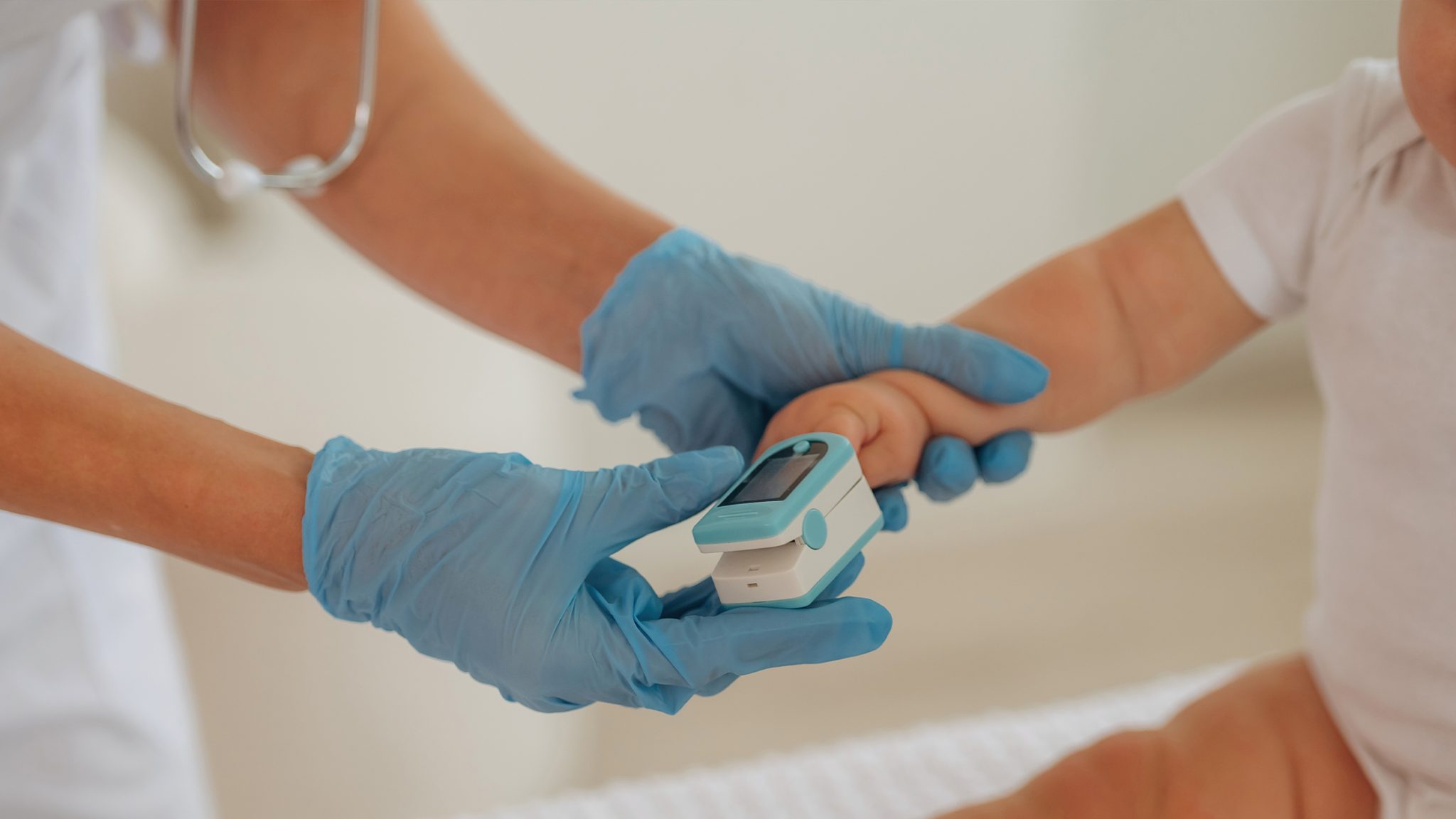
Newborn Pulse Oximetry Screening: The Two-Minute Heart Check Before Going Home
Pulse oximetry screening takes about two minutes, involves no needles, and is usually done while the baby sleeps. A soft sensor is wrapped around the right hand, then one foot, and a small light reads how much oxygen the blood is carrying. Most parents barely register it among the hearing test, the heel prick and […]

Heart Defects in Premature Babies: What Changes When a Baby Arrives Early
The monitor above the incubator chimes, a number turns yellow, and a nurse reaches in to settle a wire that has slipped off a foot no wider than a thumb. For parents sitting beside a baby born at 31 weeks, every sound in the neonatal unit lands hard. Then, on the third morning, a doctor […]

Growing Up With a Heart Condition: Moving From Pediatric to Adult Cardiology
At six, he sat on his mother’s lap in the cardiology clinic and chose a sticker on the way out. At seventeen, he sits in the same chair, taller than the doctor, while his mother answers most of the questions. He had surgery as a baby for tetralogy of Fallot. He knows he has “a […]